Setting boundaries around late-night texting can feel uncomfortable at first because it may create temporary tension or make you worry about hurting feelings. As you start to enforce these limits, misunderstandings and emotional reactions can increase, making things seem worse before they get better. However, these short-term setbacks protect your emotional well-being long-term by fostering healthier, clearer communication. Keep exploring to understand how these changes can lead to more respectful and balanced interactions over time.

Get gifts for the two of you delivered free with Prime
- Fast, free delivery on millions of items
- Prime Video, Amazon Music and more included
- Member-only deals all year
Key Takeaways
- Initial boundary-setting may cause discomfort or misunderstandings, making the situation seem worse before improving.
- Late-night messages often stem from emotional vulnerability, leading to heightened conflicts when boundaries are introduced.
- Responses to boundaries can trigger feelings of rejection, temporarily increasing tension.
- The short-term discomfort encourages better long-term communication by establishing respectful limits.
- Consistent boundaries help reduce emotional exhaustion and improve clarity, ultimately strengthening the relationship.
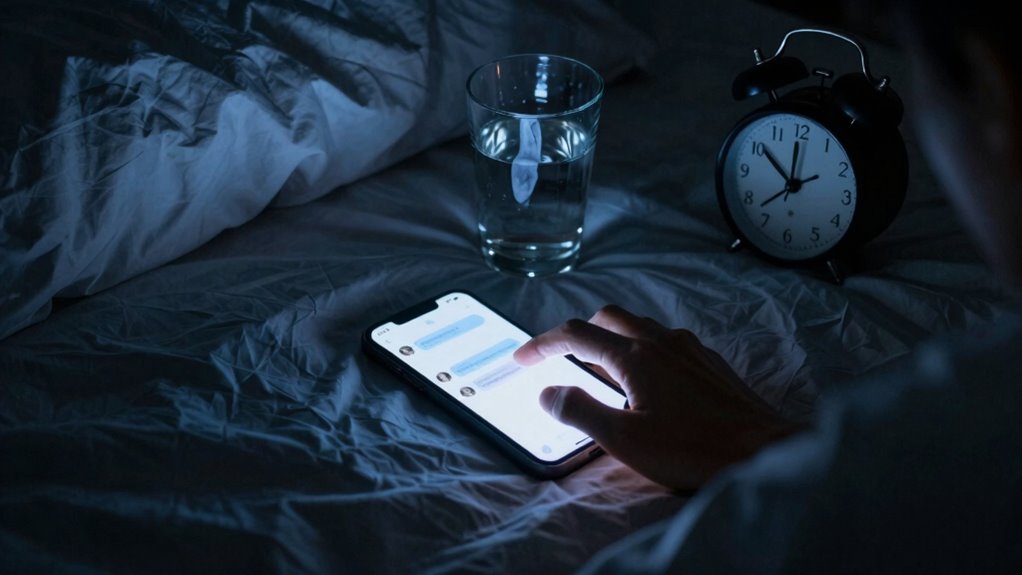
Late night texting can feel spontaneous and harmless, but setting boundaries around it is vital to maintain healthy communication and personal boundaries. When you allow late-night messages to slide without limits, it can blur emotional boundaries, making it harder to separate your personal space from someone else’s expectations. This often leads to misunderstandings or emotional confusion, especially if the messages become more frequent or intense during quiet, vulnerable hours. To keep your emotional boundaries intact, it’s essential to establish clear rules about when and how you communicate. Doing so helps prevent the lines from becoming too blurred and ensures that your interactions remain respectful and healthy.
One of the biggest issues with late-night texting is that it can erode communication clarity. When messages come in late at night, they’re often driven by emotion rather than rational thought, which can lead to misinterpretations. You might read a message differently than intended or respond without fully thinking through your feelings. Setting boundaries around late-night communication helps you maintain clarity. For example, you can decide not to reply after a certain hour or to only engage in text exchanges during specific times. This way, you control the flow of communication and prevent it from spiraling into misunderstandings or emotional exhaustion. Additionally, understanding the importance of sound quality and levels can help you recognize how digital concepts influence your communication style and boundaries. Recognizing how sound vibrations can affect our emotional state might also give you insight into how your responses are influenced during these late-night exchanges.
Late-night messages often stem from emotion, risking misinterpretation; setting boundaries preserves clarity and emotional health.
It’s also important to recognize that ignoring late-night messages or setting boundaries might initially cause some tension. The other person might feel rejected or confused, and it can seem like the situation is getting worse before it improves. However, in the long run, these boundaries protect your emotional well-being. They give you space to process your feelings and avoid getting caught up in emotional highs and lows that are common during late-night conversations. Remember, healthy boundaries aren’t about shutting someone out completely but about creating a safe space where both of you can communicate openly and honestly without feeling overwhelmed or emotionally drained.
As an affiliate, we earn on qualifying purchases.
Frequently Asked Questions
How Do I Know if My Late-Night Texts Are Inappropriate?
You’ll know your late-night texts are inappropriate if they have an inappropriate tone, such as being too flirtatious or personal, especially if they make the recipient uncomfortable. Pay attention to privacy concerns—if your messages invade personal boundaries or feel intrusive, they’re probably inappropriate. Always consider how you’d feel if roles were reversed. If in doubt, it’s best to wait until daytime or ask for consent before texting.
What Are the Signs My Partner Is Uncomfortable With Late-Night Texting?
They say, “Actions speak louder than words,” and this applies here. If your partner’s emotional boundaries are being crossed, they might show subtle communication cues like delayed responses, shorter replies, or avoiding eye contact. They may seem uncomfortable or less engaged during conversations. Pay attention to these signs, and if you notice them, it’s time to honor their feelings and have an honest talk to guarantee both of you feel safe and respected.
How Can I Set Boundaries Without Offending the Other Person?
To set boundaries without offending your partner, focus on clear communication and emotional boundaries. Share your feelings honestly, emphasizing that your intentions come from care, not criticism. Use “I” statements to express your needs, like “I need to rest at night,” and listen actively to their concerns. This approach fosters understanding and respect, making it easier to establish boundaries that strengthen your relationship without causing offense.
Is It Better to Stop Texting Altogether Late at Night?
Yes, it’s better to stop texting late at night if you want to establish healthy digital boundaries. Doing so respects your emotional readiness and helps prevent burnout or misunderstandings. By setting clear limits, you communicate your boundaries kindly but firmly, making it easier for both of you to enjoy healthier interactions during the day. Remember, prioritizing your well-being strengthens the relationship overall and prevents late-night texting from escalating into bigger issues.
What Are Healthy Alternatives to Late-Night Texting for Connection?
Instead of late-night texting, try a quick phone call to connect more genuinely. You can also plan face-to-face meetings or video chats for deeper conversations. These alternatives foster real-time interaction and emotional intimacy, reducing misunderstandings. By opting for these methods, you set healthy boundaries while still nurturing your connection. It’s a better way to stay close without the risks that come with late-night texts, making your relationship stronger and more authentic.
noise-canceling headphones for focus
As an affiliate, we earn on qualifying purchases.
As an affiliate, we earn on qualifying purchases.
Conclusion
Just like Icarus flying too close to the sun, pushing boundaries in late-night texting can lead to a fiery crash. Remember, setting limits isn’t about avoiding connection but protecting it. So, when the night whispers temptations, choose to soar wisely—knowing that sometimes, the hardest climbs lead to the clearest skies. Patience and boundaries are your wings; trust them, and you’ll find that the dawn after the storm is worth every struggle.
As an affiliate, we earn on qualifying purchases.
As an affiliate, we earn on qualifying purchases.
Evergreen bestsellers Picks
bestsellers
As an affiliate, we earn on qualifying purchases.