
Confronting the other woman can often lead to more harm than good, so it’s best to focus on protecting your emotional and legal boundaries instead. Avoid impulsive actions driven by anger or hurt; instead, keep responses respectful and concise. Seek support from trusted allies and think about legal advice if needed. By prioritizing your well-being and setting clear limits, you’ll find it easier to navigate this difficult situation—there’s more to consider if you move forward carefully.
Key Takeaways
- Prioritize your emotional and legal boundaries; confrontation often escalates conflict without resolution.
- Understand jurisdictional laws before initiating contact; legal guidance can prevent unintended issues.
- Focus on personal healing and self-care rather than seeking closure through confrontation.
- Keep communication respectful, concise, and aligned with your boundaries to avoid escalation.
- Use legal channels or trusted professionals rather than direct confrontation to handle the situation safely.

Have you ever wondered how to navigate the delicate situation of handling your partner’s affair partner? It’s a tricky, emotionally charged experience, and knowing how to approach it can feel overwhelming. First, you need to establish clear emotional boundaries. That means defining what you’re willing to accept and what’s off-limits in this situation. You might feel tempted to confront the affair partner directly, but before doing so, consider your emotional well-being. Protecting your mental health is vital; avoid letting anger or hurt push you into impulsive actions that could backfire. Remember, engaging in heated exchanges often doesn’t lead to resolution and may even complicate legal considerations down the line. It’s necessary to keep your responses measured and respectful, focusing on your own healing rather than trying to punish or shame the other person.
When contemplating any contact with the affair partner, be aware of the legal considerations involved. Depending on your circumstances and jurisdiction, direct confrontations, harassment, or threats could be seen as legally questionable or even criminal. If you’re considering any form of communication, consult with a legal professional beforehand to understand your rights and limits. Some jurisdictions have strict laws about harassment or stalking, and you want to avoid unintentionally crossing those boundaries. In some cases, it’s better to keep interactions minimal or handled through legal channels, such as your attorney or counselor, rather than engaging directly. Additionally, understanding the importance of attention in creative practice can help you stay focused on your own well-being and personal growth during this challenging time.
Handling the affair partner isn’t about winning a confrontation or gaining closure through conflict. It’s about protecting yourself emotionally and legally. If you choose to address the situation, do so with a clear understanding of what you hope to achieve—whether it’s closure, setting boundaries, or simply expressing your feelings. Keep communication concise, respectful, and rooted in your boundaries. Remember, confronting the affair partner isn’t always necessary or advisable; sometimes, the best course of action is to focus on your own healing and boundaries without engaging in potentially volatile interactions. Prioritize your mental health, stay informed about your legal rights, and seek support from trusted friends, therapists, or legal advisors. Handling this situation with care and caution ensures you’re taking the right steps for your well-being, rather than risking further emotional or legal complications.
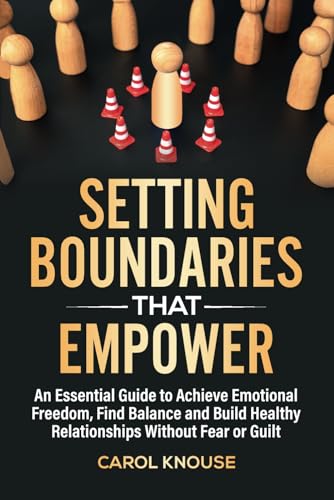
Setting Boundaries That Empower: An Essential Guide to Achieve Emotional Freedom, Find Balance and Build Healthy Relationships Without Fear or Guilt
As an affiliate, we earn on qualifying purchases.
As an affiliate, we earn on qualifying purchases.
Frequently Asked Questions
Is Confronting “The Other Woman” Ever Advisable?
Confronting “the other woman” isn’t usually advisable, as it can escalate emotions and complicate the situation. Instead, focus on setting emotional boundaries to protect yourself. If you’re considering confrontation, consult legal advice first to understand your options and rights. Prioritize your well-being, and remember that handling the affair with clarity and self-care often leads to better outcomes than direct confrontation.
How Can I Protect My Emotional Well-Being During Confrontation?
Like a knight in shining armor, you can protect your emotional well-being by staying grounded during confrontation. Focus on your emotional resilience and practice self-care strategies, such as deep breathing, journaling, or seeking support from friends. Set clear boundaries and remember that you can pause if emotions run high. Prioritize your mental health, and avoid letting the situation drain your energy or self-worth.
What Are the Legal Implications of Confronting the Affair Partner?
Confronting the affair partner can have legal implications if you cross legal boundaries or violate privacy considerations. You might face defamation or harassment claims if your actions are aggressive or invasive. Always stay within legal limits, avoid sharing private information without consent, and consider consulting a lawyer before confronting them. Respecting privacy and understanding legal boundaries helps protect you from potential legal repercussions and keeps the situation from escalating unnecessarily.
Should I Involve Law Enforcement in the Situation?
Should you involve law enforcement? It depends on the situation. If there’s legal consideration like harassment or threats, involving authorities can guarantee your emotional safety and legal protection. Do you feel threatened or unsafe? If so, contacting law enforcement is a wise step. Otherwise, focus on setting boundaries and seeking support. Prioritize your emotional well-being and consider consulting a legal professional to understand your options.
Can Confronting the Affair Partner Help Heal the Primary Relationship?
Confronting the affair partner can sometimes promote conflict resolution, but it often has a significant emotional impact that might complicate healing. If you approach it with clarity and calmness, it could clear misunderstandings. However, be prepared for intense emotions and potential escalation. Focus on your feelings and the primary relationship’s needs first, and consider whether direct confrontation will truly help or hinder your path to reconciliation.

Before I Do: A Legal Guide to Marriage, Gay and Otherwise
As an affiliate, we earn on qualifying purchases.
As an affiliate, we earn on qualifying purchases.
Conclusion
So, next time you face “the other woman,” remember, confronting her might feel like battling shadows — fleeting and elusive. Ironically, in trying to expose her, you might only reveal more of your own vulnerability, like a mirror shattered into pieces. Sometimes, the wisest move is to walk away, leaving the illusion of control behind. After all, you can’t fight ghosts, but you can choose to move on and let them fade into the night.

Worry for Nothing: Guided Anxiety Journal, Cognitive Behavioral Therapy Mental Health Journal, Anxiety Relief & Self Care, Journal for Men & Women, Mental Health Gifts
IMPROVES MENTAL HEALTH: Use this journal to improve mindfulness, uncover triggers, track physical and emotional sensations, document your…
As an affiliate, we earn on qualifying purchases.
As an affiliate, we earn on qualifying purchases.

Fight Right: How Successful Couples Turn Conflict Into Connection
As an affiliate, we earn on qualifying purchases.
As an affiliate, we earn on qualifying purchases.