

Relationship coaching books split into two very different audiences: couples who want practical exercises to fix their own connection, and coaches or therapists who need frameworks to guide clients. The best overall pick for most couples is Fight Right, because it addresses the single biggest predictor of relationship failure—how partners argue—rather than generic communication tips. For readers who want a structured, week-by-week program, the 8-Week Couples Relationship Therapy Workbook delivers the most actionable path, while Relationship Coaching: The Theory and Practice stands apart as the serious choice for practicing coaches. The main tradeoff in this category is depth versus doability: research-backed titles can feel dense, while exercise-heavy workbooks can skim past the underlying patterns that cause conflict. Continue reading for the full breakdown, including who each book is for and who should skip it.

Get gifts for the two of you delivered free with Prime
- Fast, free delivery on millions of items
- Prime Video, Amazon Music and more included
- Member-only deals all year
Key Takeaways
- Books built on a single proven framework (Gottman’s Fight Right, attachment theory in Attached, EFT in the 8-Week Workbook) consistently outperformed multi-topic compilations that touched everything deeply nowhere.
- The lineup divides sharply between self-help books for couples and practitioner guides—only two titles (Relationship Coaching: Theory and Practice and the Practitioner guide) serve coaches, and buying the wrong type is the most common mistake in this category.
- Workbook-style books with scheduled exercises showed clearer follow-through value than passive reading; the tradeoff is that they demand both partners’ participation, which single-reader titles like Attached avoid.
- Faith-based and niche picks (Relationship Skills: A Christian Guide, The Inner Work of Relationships) ranked lower for general readers but are stronger choices than higher-ranked titles for their specific audiences.
- Trust-recovery is underserved: only Rebuilding: Trust and The Complete Couples Therapy Workbook tackle betrayal seriously, making them niche must-buys rather than general recommendations.
| Attached: The New Science of Adult Attachment and How It Can Help You Find—and Keep—Love |  | Best Overall | Format: Paperback, hardcover, ebook, audiobook | Category: Attachment theory / relationship psychology | Approach: Research-based adult attachment framework | VIEW LATEST PRICE | See Our Full Breakdown |
| Love More, Fight Less: Communication Skills Every Couple Needs | 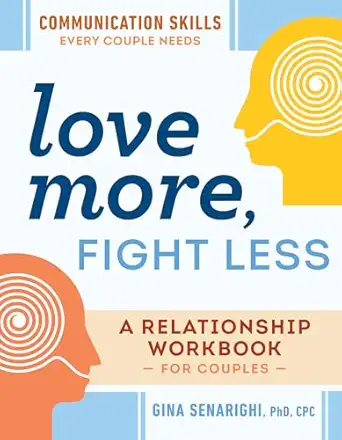 | Best for Beginners | Format: Paperback workbook | Category: Couples communication workbook | Approach: Practical exercise-based | VIEW LATEST PRICE | See Our Full Breakdown |
| 8-Week Couples Relationship Therapy Workbook: Achieve Lasting Relationship Health, Unlock Deeper Emotional Connections, and Foster Secure Attachment through EFT |  | Best Structured Program | Format: Paperback workbook | Category: Structured couples therapy workbook | Approach: Emotionally Focused Therapy (EFT) | VIEW LATEST PRICE | See Our Full Breakdown |
| Relationship Coaching Practitioner: A Complete Guide for Coaches to Help Clients Strengthen Connection, Communication, and Emotional Intimacy |  | Best for Aspiring Coaches | Format: Paperback / ebook | Category: Professional coaching guide | Approach: Practitioner techniques and frameworks | VIEW LATEST PRICE | See Our Full Breakdown |
| Relationship Skills: A Christian Guide to Healthy Relationships, Better Communication, Conflict Resolution, Intimacy, and Lasting Love |  | Best Faith-Based Pick | Format: Paperback | Category: Faith-based relationship guide | Approach: Christian principles applied to relationship skills | VIEW LATEST PRICE | See Our Full Breakdown |
| How to Listen, Hear, and Validate: Break Through Invisible Barriers and Transform Your Relationships | 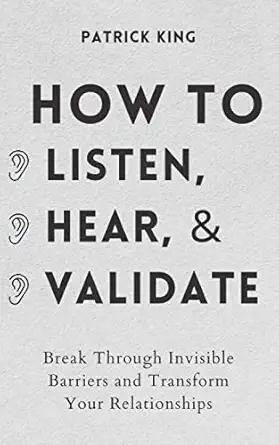 | Best for Listening Skills | Primary Focus: Active listening and validation | Format: Book (paperback/ebook) | Audience: General readers and couples | VIEW LATEST PRICE | See Our Full Breakdown |
| Fight Right: How Successful Couples Turn Conflict Into Connection |  | Best for Recurring Conflict | Primary Focus: Conflict transformation | Format: Hardcover/paperback/ebook/audiobook | Audience: Committed couples | VIEW LATEST PRICE | See Our Full Breakdown |
| Communication Skills for Couples: Guide to Improve Communications, Resolve Conflict, Deepen Intimacy, Strengthen Marriage and Create a Healthy Relationship |  | Best All-in-One Marriage Primer | Primary Focus: Couples communication and marriage health | Format: Paperback/ebook | Audience: Married and committed couples | VIEW LATEST PRICE | See Our Full Breakdown |
| The Relationship Cure: A 5-Step Guide to Strengthening Your Marriage, Family, and Friendships |  | Best Research-Backed Framework | Primary Focus: Strengthening all relationship types | Format: Paperback/ebook/audiobook | Audience: General readers, couples, parents, friends | VIEW LATEST PRICE | See Our Full Breakdown |
| Communicate Your Feelings (Without Starting a Fight): What to Say and What Not to Say to Your Partner |  | Best for Expression Scripts | Primary Focus: Expressing feelings without conflict | Format: Paperback/ebook | Audience: Couples and individuals in relationships | VIEW LATEST PRICE | See Our Full Breakdown |
| The Complete Couples Therapy Workbook: Step-by-step Exercises to Improve Intimacy, Build Trust, Resolve Relationship Conflicts, and Recover from Emotional Distance | 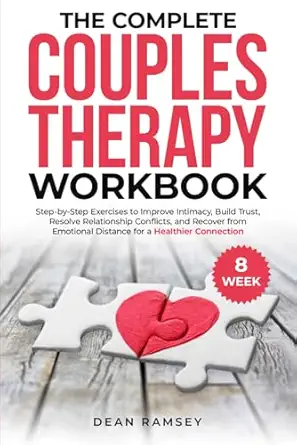 | Best Structured Workbook | Format: Workbook with guided exercises | Primary Focus: Intimacy, trust, conflict resolution, emotional distance | Approach: Step-by-step structured exercises | VIEW LATEST PRICE | See Our Full Breakdown |
| Relationship Coaching: The Theory and Practice of Coaching with Singles, Couples, and Parents |  | Best for Aspiring Coaches | Format: Professional training text | Primary Focus: Coaching theory and practice | Client Types Covered: Singles, couples, parents | VIEW LATEST PRICE | See Our Full Breakdown |
| The Inner Work of Relationships: An Invitation to Heal Your Inner Child and Create a Conscious Relationship Together |  | Best for Deep Personal Growth | Format: Reflective self-help book | Primary Focus: Inner-child healing and conscious partnership | Approach: Personal growth applied to the relationship | VIEW LATEST PRICE | See Our Full Breakdown |
| Rebuilding Trust: Guided Therapy Techniques and Activities to Restore Love, Trust, and Intimacy in Your Relationship |  | Best for Trust Repair | Format: Guided techniques and activities book | Primary Focus: Trust repair, love, and intimacy restoration | Approach: Therapy-based guided exercises | VIEW LATEST PRICE | See Our Full Breakdown |
| Marriage Coaching: Heart, Hope and Skills for a Great Relationship |  | Best Marriage-Specific Skills Guide | Format: Coaching-style relationship guide | Primary Focus: Marriage strengthening, emotional connection, hope | Approach: Practical coaching techniques | VIEW LATEST PRICE | See Our Full Breakdown |
| relationship coaching book | Format | Approach | Audience | Primary Focus |
|---|---|---|---|---|
| Attached: The New Science of A | Paperback, hardcover, ebook, audiobook | Research-based adult attachment framework | General readers, singles and couples | — |
| Love More | Paperback workbook | Practical exercise-based | Couples, beginner level | — |
| 8-Week Couples Relationship Th | Paperback workbook | Emotionally Focused Therapy (EFT) | Committed couples | — |
| Relationship Coaching Practiti | Paperback / ebook | Practitioner techniques and frameworks | Relationship coaches and coaches-in-training | — |
| Relationship Skills: A Christi | Paperback | Christian principles applied to relationship skills | Christian couples and engaged readers | — |
| How to Listen | Book (paperback/ebook) | — | General readers and couples | Active listening and validation |
| Fight Right: How Successful Co | Hardcover/paperback/ebook/audiobook | Research-informed, couples-therapy derived | Committed couples | Conflict transformation |
| Communication Skills for Coupl | Paperback/ebook | Practical strategy guide | Married and committed couples | Couples communication and marriage health |
| The Relationship Cure: A 5-Ste | Paperback/ebook/audiobook | Research-based, observational studies | General readers, couples, parents, friends | Strengthening all relationship types |
| Communicate Your Feelings | Paperback/ebook | Tactical, phrase-level communication guide | Couples and individuals in relationships | Expressing feelings without conflict |
| The Complete Couples Therapy W | Workbook with guided exercises | Step-by-step structured exercises | — | Intimacy, trust, conflict resolution, emotional distance |
| Relationship Coaching: The The | Professional training text | Theory combined with practical strategies | — | Coaching theory and practice |
| The Inner Work of Relationship | Reflective self-help book | Personal growth applied to the relationship | — | Inner-child healing and conscious partnership |
| Rebuilding Trust: Guided Thera | Guided techniques and activities book | Therapy-based guided exercises | — | Trust repair, love, and intimacy restoration |
| Marriage Coaching: Heart | Coaching-style relationship guide | Practical coaching techniques | — | Marriage strengthening, emotional connection, hope |
More Details on Our Top Picks
Attached: The New Science of Adult Attachment and How It Can Help You Find—and Keep—Love
Attached earns the top spot because it explains the why behind relationship patterns before asking you to fix anything. While Love More, Fight Less jumps straight into communication exercises, this book builds a framework — anxious, avoidant, and secure attachment styles — that makes every other relationship book on this list easier to apply. Readers finish it understanding why conflicts repeat, not just how to talk through them. The tradeoff is density: it’s more psychology explainer than workbook, so anyone expecting fill-in-the-blank exercises like the 8-Week Couples Relationship Therapy Workbook will need a companion title. Still, for couples who want lasting insight rather than quick scripts, this is the foundation I’d point to first.
Pros:- Grounded in decades of attachment research rather than opinion
- Gives readers a lasting vocabulary (anxious, avoidant, secure) for diagnosing relationship dynamics
- Practical advice on partner selection and conflict patterns, not just communication
- Applies to dating and long-term relationships alike
Cons:- Denser and more academic than workbook-style guides, which can slow casual readers
- Contains few structured exercises, so it doesn’t replace an interactive program
- Critics note it can make avoidant readers feel pathologized
Best for: Couples and singles who want a research-backed framework for understanding their relational patterns before applying communication techniques
Not ideal for: Readers who want hands-on exercises right away — this is theory-heavy and works better paired with a workbook than used alone
- Format:Paperback, hardcover, ebook, audiobook
- Category:Attachment theory / relationship psychology
- Approach:Research-based adult attachment framework
- Audience:General readers, singles and couples
- Exercise content:Minimal — primarily explanatory
- Author background:Psychologists and attachment researchers
Our verdict“Buy this if you want the single most explanatory lens for how your relationships function — and pair it with a workbook if you need exercises too.”
Love More, Fight Less: Communication Skills Every Couple Needs
For couples picking up their first relationship book, Love More, Fight Less lowers the barrier better than anything else in this lineup. Unlike Attached, which asks you to absorb psychology first, this workbook hands you communication exercises you can start tonight — no prior framework required. Compared with the 8-Week Couples Relationship Therapy Workbook, the commitment is lighter and the structure more flexible, which matters when one partner is reluctant about “doing work” on the relationship. The honest tradeoff: depth. Couples with long-standing conflict cycles or trust damage will likely outgrow it and need something like an EFT-based program. And because it skews introductory, partners who already have solid communication basics may find the exercises repetitive.
Pros:- Immediately actionable exercises with no theory prerequisite
- Gentle, accessible tone that works for reluctant partners
- Flexible structure — dip in and out rather than follow a rigid program
- Focused specifically on conflict communication, the most common couple complaint
Cons:- Shallow on underlying causes of conflict compared with attachment-based books
- May feel repetitive for couples who already have decent communication habits
- Limited readership track record compared with established titles like Attached
Best for: Couples new to relationship self-help who want low-pressure, ready-to-use communication exercises
Not ideal for: Couples dealing with deep resentment, betrayal, or entrenched conflict patterns — this doesn’t go far enough for serious repair work
- Format:Paperback workbook
- Category:Couples communication workbook
- Approach:Practical exercise-based
- Structure:Flexible, topic-based exercises
- Audience:Couples, beginner level
- Commitment level:Low to moderate
Our verdict“This is the right first purchase for couples who want to fight better without wading through psychology — just plan to graduate to deeper material if old patterns persist.”
8-Week Couples Relationship Therapy Workbook: Achieve Lasting Relationship Health, Unlock Deeper Emotional Connections, and Foster Secure Attachment through EFT
What separates the 8-Week Couples Relationship Therapy Workbook from lighter options like Love More, Fight Less is its backbone: a week-by-week program built on Emotionally Focused Therapy, the same clinical model many couples therapists actually use. That structure is the point — couples who flounder with open-ended workbooks get a defined path from conflict to secure attachment. Compared with Attached, which explains attachment theory, this book makes you practice it. The catch is the demands it places on you: eight consecutive weeks of joint effort, and exercises that require emotional honesty some couples aren’t ready for without a therapist in the room. Think of it as therapy-adjacent, not a substitute when a relationship is in genuine crisis.
Pros:- Structured 8-week curriculum removes the guesswork of unguided workbooks
- Based on EFT, a clinically validated couples therapy model
- Targets root emotional patterns, not just surface communication
- Progressive design builds skills week over week
Cons:- Requires sustained commitment from both partners for two full months
- Emotionally demanding exercises can stall without professional support
- Newer title with a limited track record of reader reviews
Best for: Motivated couples who want a therapist-designed, time-boxed program and can commit to weekly exercises together
Not ideal for: Couples in active crisis (affairs, separation talks) or those who can’t sustain eight weeks of joint effort — this needs stability and buy-in from both partners
- Format:Paperback workbook
- Category:Structured couples therapy workbook
- Approach:Emotionally Focused Therapy (EFT)
- Program length:8 weeks
- Audience:Committed couples
- Focus areas:Attachment, emotional connection, conflict cycles
Our verdict“Choose this if you and your partner want a disciplined, therapy-grounded program and will actually do the weekly work — otherwise a lighter workbook will sit unread.”
Relationship Coaching Practitioner: A Complete Guide for Coaches to Help Clients Strengthen Connection, Communication, and Emotional Intimacy
Every other title in this roundup is written for couples; Relationship Coaching Practitioner is written for the person guiding them. That makes it the clear pick for coaches, counselors-in-training, or mentors who want a professional toolkit — session frameworks, client techniques, and ways to coach connection and emotional intimacy from the outside. Compared with Relationship Coaching: The Theory and Practice of Coaching with Singles, Couples, and Parents, it leans more practitioner-oriented and hands-on than theoretical. The flip side is obvious: buy this for yourself and your marriage and you’ve bought the wrong book. It assumes professional context, and there’s little here for a couple working through their own conflict at the kitchen table.
Pros:- Covers the full arc of coaching relationships, from intake to connection-building
- Practical, session-ready techniques rather than abstract theory
- Addresses emotional intimacy, an area many coaching texts skip
- Serves as a credential-building resource for new practitioners
Cons:- Professional focus makes it irrelevant for general self-help readers
- New release with little established reader feedback to gauge quality
- Doesn’t substitute for formal coach training or certification
Best for: Aspiring or practicing relationship coaches who want structured methods for guiding clients through connection and communication work
Not ideal for: Couples seeking self-help — this is written from the coach’s chair, not the client’s couch, and offers little direct guidance for fixing your own relationship
- Format:Paperback / ebook
- Category:Professional coaching guide
- Approach:Practitioner techniques and frameworks
- Audience:Relationship coaches and coaches-in-training
- Focus areas:Connection, communication, emotional intimacy
- Use case:Client-facing coaching practice
Our verdict“If you coach couples professionally or plan to, this is the practitioner’s reference in this lineup — everyone else should buy a couple-facing workbook instead.”
Relationship Skills: A Christian Guide to Healthy Relationships, Better Communication, Conflict Resolution, Intimacy, and Lasting Love
Relationship Skills occupies a niche the secular titles here don’t touch: relationship advice where Christian principles are the foundation, not a garnish. Where Fight Right or The Relationship Cure draw on psychology and research, this book frames communication, conflict resolution, and intimacy through scripture-grounded teaching, which changes both the vocabulary and the goal — readers get lasting love as a faith practice. For couples in church communities, that alignment matters more than clinical citations; advice that matches your worldview actually gets followed. The tradeoff cuts both ways. Couples who don’t share that framework will find the spiritual framing a distraction, and even within the audience, it’s lighter on structured exercises than workbooks like the 8-Week Couples Relationship Therapy Workbook.
Pros:- Faith-integrated advice that resonates with shared values, increasing follow-through
- Covers the practical core: communication, conflict resolution, and intimacy
- Accessible tone suited to small groups and premarital counseling
- Addresses lasting commitment, not just conflict tactics
Cons:- Explicitly Christian framing limits the audience
- Fewer structured exercises and tools than dedicated workbooks
- Light on the clinical research base that titles like Attached provide
Best for: Christian couples and engaged pairs who want communication and conflict-resolution guidance explicitly grounded in their faith
Not ideal for: Secular readers or interfaith couples — the scriptural framing is woven throughout, not optional, and will feel alienating rather than helpful
- Format:Paperback
- Category:Faith-based relationship guide
- Approach:Christian principles applied to relationship skills
- Focus areas:Communication, conflict resolution, intimacy, lasting love
- Audience:Christian couples and engaged readers
- Structure:Topical chapters with practical advice
Our verdict“Buy this if faith is the center of your relationship and you want advice that speaks that language; skip it if you want secular, research-driven material.”
How to Listen, Hear, and Validate: Break Through Invisible Barriers and Transform Your Relationships
Most relationship coaching books lean heavily on what to say; this one flips the script by training the skill nobody else covers well — genuinely hearing your partner. Where Communication Skills for Couples spreads its attention across many topics, this book goes narrow and deep on active listening and validation, which makes it a stronger pick for anyone who already talks plenty but keeps missing the emotional mark. The promise of improved likability and charisma is a nice side effect, though it also signals a broader self-help angle that couples seeking focused partnership work may find off-target. There is less structure here than The Relationship Cure’s five-step framework, so readers who want a clear roadmap should weigh that tradeoff. Still, as a single-skill deepener, this option stands out for its specificity.
Pros:- Focused on the undertrained skill of validation, not just speaking
- Practical strategies applicable to romantic, family, and workplace relationships
- Bonus benefits for charisma and social confidence
- Narrow scope makes it easy to absorb quickly
Cons:- Broader self-help framing dilutes the couples-coaching focus
- No structured exercises or step-by-step program
- Limited depth documented compared to research-backed alternatives
Best for: Partners and professionals who talk a lot but struggle to make others feel truly heard
Not ideal for: Couples wanting a structured, step-by-step program — this develops one skill rather than a full system
- Primary Focus:Active listening and validation
- Format:Book (paperback/ebook)
- Audience:General readers and couples
- Core Skills Taught:Listening, validation, trust-building, charisma
- Structure:Strategy-based chapters, no formal program
- Relationship Types Covered:Romantic, family, professional
Our verdict“Buy this if listening — not talking — is the gap in your relationships; skip it if you need a complete couples curriculum.”
Fight Right: How Successful Couples Turn Conflict Into Connection
Every couple fights; the differentiator is how. This book is built entirely around that premise, making it the most conflict-centric pick in this roundup. Compared with Communicate Your Feelings (Without Starting a Fight), which focuses on preventing blow-ups before they happen, Fight Right accepts that arguments are inevitable and teaches couples to use them as doorways to connection instead of damage. That reframing is why it earns a spot for couples stuck in repetitive fight cycles that prevention-first books haven’t fixed. The tradeoff is commitment: these techniques demand real practice during emotionally charged moments, which is exactly when they’re hardest to apply. It also assumes both partners are willing participants — unlike single-reader options like How to Listen, Hear, and Validate, this one works best as a shared project.
Pros:- Reframes conflict as an opportunity rather than a threat
- Targets the root patterns behind repetitive fights
- Backed by established couples-research credibility
- Strong fit for couples in persistent conflict cycles
Cons:- Requires sustained effort from both partners
- Less useful for couples who rarely argue but feel emotionally distant
- Assumes willingness to examine conflict habits honestly
Best for: Couples trapped in the same recurring arguments who want to argue smarter, not less
Not ideal for: Singles or partners reading alone — the methods require both people to engage to pay off
- Primary Focus:Conflict transformation
- Format:Hardcover/paperback/ebook/audiobook
- Audience:Committed couples
- Core Skills Taught:Conflict resolution, communication during arguments
- Approach:Research-informed, couples-therapy derived
- Reading Model:Best read together as a couple
Our verdict“The right choice if fights are your relationship’s core problem; wrong if your issue is distance rather than discord.”
Communication Skills for Couples: Guide to Improve Communications, Resolve Conflict, Deepen Intimacy, Strengthen Marriage and Create a Healthy Relationship
This is the breadth-first option in the communication category. Where Fight Right goes deep on one dimension, this guide sweeps across communication, conflict resolution, intimacy, and marriage-strengthening in a single volume — a genuine value for couples who want one affordable starting point instead of building a shelf. Its long, promise-heavy subtitle tells you exactly what you’re getting: broad practical coverage rather than research depth. That’s the tradeoff. Readers who finish it and want more rigor will likely graduate to The Relationship Cure or a workbook like The Complete Couples Therapy Workbook, which offer more structured exercises. It also demands follow-through — like most skills-based guides, reading it changes nothing without practice. Compared with Love More, Fight Less, it trades polish and brand recognition for wider topical coverage at a lower commitment level.
Pros:- Covers four major relationship areas in one volume
- Accessible, jargon-free guidance for everyday couples
- Low-cost entry point for relationship self-help
- Practical strategies rather than abstract theory
Cons:- Breadth comes at the cost of depth on any single topic
- Few structured exercises compared with dedicated workbooks
- Results depend heavily on consistent practice by both partners
Best for: Newly married or long-term couples wanting one affordable book covering communication, conflict, and intimacy basics
Not ideal for: Readers wanting research citations or a structured exercise program — this is practical advice, not a curriculum
- Primary Focus:Couples communication and marriage health
- Format:Paperback/ebook
- Audience:Married and committed couples
- Topics Covered:Communication, conflict resolution, intimacy, marriage strength
- Approach:Practical strategy guide
- Price Tier:Budget
Our verdict“A sensible first purchase for couples starting from scratch who want everything in one inexpensive book.”
The Relationship Cure: A 5-Step Guide to Strengthening Your Marriage, Family, and Friendships
This is the most credentialed entry in this batch, coming from a leading relationship researcher, and it shows in the structure: a clear five-step process the reader can actually follow and measure progress against. Compared with Communication Skills for Couples, which reads as practical tips strung together, this book offers a coherent methodology grounded in decades of observational research — the same lineage that makes Fight Right credible. Its second differentiator is scope: it applies the framework to marriages, families, and friendships, not just romantic partners, which no other book in this lineup attempts. The tradeoff is that the research-driven tone can feel more clinical than the warm, conversational style of shorter guides, and its examples skew toward family dynamics rather than dating couples. It rewards readers who like systems over snippets.
Pros:- Written by a renowned relationship researcher
- Structured 5-step framework with clear progression
- Applies to romantic, family, and platonic relationships
- Actionable advice rather than pure theory
Cons:- More clinical tone than lighter self-help guides
- Fewer couples-specific exercises than dedicated workbooks
- Examples lean toward family and long-term relationships
Best for: Readers who want an evidence-based, step-by-step system that works across marriage, family, and friendships
Not ideal for: Casual readers wanting light, conversational self-help — the research framing is denser and more systematic
- Primary Focus:Strengthening all relationship types
- Format:Paperback/ebook/audiobook
- Audience:General readers, couples, parents, friends
- Structure:5-step program
- Approach:Research-based, observational studies
- Relationship Types Covered:Marriage, family, friendship
Our verdict“The most systematic, research-grounded pick here — ideal if you want a framework backed by science rather than opinion.”
Communicate Your Feelings (Without Starting a Fight): What to Say and What Not to Say to Your Partner
The unique hook here is literal scripts — what to say and what not to say — which no other book in this lineup offers so directly. Where How to Listen, Hear, and Validate trains the receiving end of communication, this book handles the sending end: how to voice frustration, hurt, or need without triggering defensiveness. That makes the two natural companion picks for different halves of the same problem. Its format is especially friendly for readers who freeze up in hard conversations and want concrete phrasing rather than concepts — a contrast with The Relationship Cure’s abstract five-step system. The tradeoff is depth: script-based advice can become formulaic, and the book appears to include little in the way of exercises or deeper work on why conversations go wrong. Treat it as a phrasebook for tough moments, not a full coaching program.
Pros:- Provides concrete wording for difficult conversations
- Prevention-first approach stops fights before they start
- Immediately usable — no theory required to apply it
- Great fit for readers who freeze during conflict
Cons:- Scripts can feel formulaic without underlying skills
- Little exercise or deeper-exploration content
- Narrow focus on expression rather than whole-relationship health
Best for: Partners who know what they feel but can’t find the words — and keep sparking fights when they try
Not ideal for: Readers seeking deep relational transformation or structured exercises — this is tactical phrasing, not inner work
- Primary Focus:Expressing feelings without conflict
- Format:Paperback/ebook
- Audience:Couples and individuals in relationships
- Core Content:Scripts: what to say and what not to say
- Approach:Tactical, phrase-level communication guide
- Structure:Scenario-based advice, minimal exercises
Our verdict“Buy this for ready-to-use phrasing in tense moments; look elsewhere if you want a full relationship-development program.”
The Complete Couples Therapy Workbook: Step-by-step Exercises to Improve Intimacy, Build Trust, Resolve Relationship Conflicts, and Recover from Emotional Distance
This option stands out for its step-by-step exercise format, which gives couples a clear sequence to follow rather than a loose collection of advice. Compared with Love More, Fight Less, which leans heavily on communication skills, this workbook casts a wider net — covering intimacy, trust, and emotional distance recovery in one structured program. The tradeoff is real, though: workbooks only pay off if both partners commit to doing the exercises consistently, so a couple where one person is disengaged will stall quickly. It also overlaps somewhat with the 8-Week Couples Relationship Therapy Workbook, so buyers should pick one rather than both. This pick makes the most sense for couples who want homework-style guidance between therapy sessions or as a self-directed alternative.
Pros:- Clear step-by-step structure that removes guesswork about where to start
- Covers intimacy, trust, conflict, and emotional distance in one volume
- Works well as a supplement to couples therapy
- Exercise-based format turns reading into actual behavior change
Cons:- Demands consistent effort from both partners over time
- Overlaps with other couples workbooks already on the shelf, so buying several is redundant
Best for: Motivated couples who want a guided, exercise-driven program and will actually do the weekly work together
Not ideal for: Couples in crisis or where one partner won’t participate — workbook exercises require buy-in from both sides to work
- Format:Workbook with guided exercises
- Primary Focus:Intimacy, trust, conflict resolution, emotional distance
- Approach:Step-by-step structured exercises
- Intended Audience:Couples working together
- Best Use Case:Self-directed improvement or therapy supplement
- Commitment Level:High — ongoing exercise completion required
Our verdict“Choose this if you and your partner want a do-the-workbook program that spans trust, intimacy, and conflict — not just communication tips.”
Relationship Coaching: The Theory and Practice of Coaching with Singles, Couples, and Parents
Most books in this roundup are written for couples trying to fix their own relationship; this one flips the lens and addresses the practitioner, not the client. Where Relationship Coaching Practitioner: A Complete Guide for Coaches focuses on helping clients with connection and intimacy, this title goes broader, covering singles, couples, and parents — a genuine differentiator if you plan to coach across family dynamics rather than only romantic pairs. The tradeoff is that it assumes you already speak the language of coaching, so beginners without prior training may find the theory sections dense. Couples buying it for self-help should skip it entirely; there are no partner exercises here. This pick makes the most sense for coaches building a versatile client practice.
Pros:- Covers coaching for singles, couples, and parents in one framework
- Blends theory with practical coaching strategies
- Useful reference for building a multi-client coaching practice
- Rare practitioner-focused option in a consumer-heavy category
Cons:- Assumes prior coaching knowledge, so newcomers may struggle
- Not a self-help book despite the category it often sits in
Best for: Coaches and coaches-in-training who want theory plus practice covering multiple client types, not just couples
Not ideal for: Couples seeking self-help — this is professional training material with no partner exercises
- Format:Professional training text
- Primary Focus:Coaching theory and practice
- Client Types Covered:Singles, couples, parents
- Intended Audience:Coaches and coaching students
- Approach:Theory combined with practical strategies
- Prerequisite Knowledge:Prior coaching familiarity recommended
Our verdict“Buy this if you coach clients professionally; skip it if you’re looking for a book to read with your partner.”
The Inner Work of Relationships: An Invitation to Heal Your Inner Child and Create a Conscious Relationship Together
This is the most inward-facing pick in the lineup. Rather than teaching scripts and tactics like Communicate Your Feelings (Without Starting a Fight), it argues that relationship problems often trace back to unhealed inner-child wounds, and that both partners must do individual work to build a conscious partnership. That framing produces deeper, longer-lasting change for the right readers — but it’s slower, more emotionally demanding, and less immediately actionable than a communication-skills book. Compared with Attached, which explains attachment patterns through a research lens, this title is more experiential and healing-oriented. Readers unfamiliar with inner-child concepts may find the language abstract at first. This option stands out for couples who’ve already tried surface-level communication fixes and hit a ceiling.
Pros:- Targets root emotional patterns rather than surface symptoms
- Designed for couples doing the inner work together
- Strong fit for readers already in personal-growth or therapy spaces
- Complements communication-focused books rather than duplicating them
Cons:- Inner-child concepts can feel abstract without prior exposure
- Slow path to results compared with skills-based books
Best for: Couples who have mastered basic communication skills and want to address the root emotional patterns driving conflict
Not ideal for: Readers wanting quick, tactical fixes — the healing work here takes months, not a weekend
- Format:Reflective self-help book
- Primary Focus:Inner-child healing and conscious partnership
- Approach:Personal growth applied to the relationship
- Intended Audience:Couples interested in emotional healing work
- Pace of Change:Gradual, depth-oriented
- Prerequisite Knowledge:Familiarity with emotional-healing concepts helpful
Our verdict“Pick this only if you’re both willing to do genuine emotional excavation — it’s the deep-roots choice, not the quick-fix choice.”
Rebuilding Trust: Guided Therapy Techniques and Activities to Restore Love, Trust, and Intimacy in Your Relationship
While Fight Right teaches couples how to argue productively and Love More, Fight Less builds everyday communication habits, this book targets a harder, more specific problem: rebuilding trust after it has broken. Its guided therapy techniques and structured activities give couples a concrete path through infidelity, betrayal, or prolonged emotional distance — territory most general relationship books only touch briefly. The narrower focus is both its strength and its limitation: if your relationship is fundamentally healthy, this depth of repair work is unnecessary and can feel heavy. It also demands sustained effort; trust repair is the slowest project in relationship work, and this book doesn’t pretend otherwise. This model is better suited to couples in active recovery than those doing routine maintenance.
Pros:- Dedicated specifically to trust repair, not general relationship advice
- Includes guided activities rather than just theory
- Addresses love and intimacy alongside trust, not trust in isolation
- Traditional-publisher backing suggests vetted therapeutic grounding
Cons:- Too narrowly focused to serve as an all-purpose relationship book
- The subject matter is emotionally demanding and requires real commitment from both partners
Best for: Couples recovering from betrayal, infidelity, or serious breaches of trust who need a dedicated repair process
Not ideal for: Couples in stable relationships looking for general enrichment — the repair-focused content is heavier than needed
- Format:Guided techniques and activities book
- Primary Focus:Trust repair, love, and intimacy restoration
- Approach:Therapy-based guided exercises
- Intended Audience:Couples healing after betrayal or emotional distance
- Scope:Narrow — repair-focused rather than general
- Commitment Level:High — sustained emotional effort required
Our verdict“If trust has been broken and generic communication books haven’t touched the wound, this is the specialist pick; otherwise choose a broader title.”
Marriage Coaching: Heart, Hope and Skills for a Great Relationship
This title carves out a distinct niche: it applies a coaching framework to marriage specifically, blending emotional connection and hope with teachable relationship skills. Compared with The Relationship Cure, which draws on research-backed steps applicable to marriages, families, and friendships, this book keeps its focus tight on the married couple — which makes it feel more directly relevant for spouses, but less useful for anyone dating or cohabiting. Its hope-centered tone also differentiates it from clinical-feeling alternatives like Rebuilding Trust, making it a gentler entry point for couples who want encouragement rather than repair work. The drawback is sparseness: there’s little detailed content description or reader feedback available, so buyers are taking it on faith compared with heavily reviewed competitors like Attached.
Pros:- Marriage-specific focus makes every chapter directly relevant to spouses
- Coaching-style framework is practical and action-oriented
- Warm, hope-centered tone suits couples wanting encouragement, not clinical analysis
- Balances emotional connection with teachable skills
Cons:- Limited reader reviews and content details make it a bit of a blind purchase
- Narrowly aimed at marriage, so it won’t serve non-married couples well
Best for: Married couples wanting an encouraging, skills-based coaching approach to strengthen their relationship
Not ideal for: Dating or engaged couples, and anyone who wants heavily reviewed, research-grounded books before buying
- Format:Coaching-style relationship guide
- Primary Focus:Marriage strengthening, emotional connection, hope
- Approach:Practical coaching techniques
- Intended Audience:Married couples
- Tone:Encouraging and hope-centered
- Scope:Marriage-specific, not general relationships
Our verdict“A solid choice for married couples who want an upbeat coaching-style skills book, provided they’re comfortable choosing a title with little public feedback.”

How We Picked
I evaluated each book against four criteria that actually predict whether a relationship book helps: evidence base (whether the method draws on published research like Gottman’s findings, EFT, or attachment science), actionability (whether a reader can apply it this week, not just understand it), audience fit (couples in crisis, couples improving, singles, or professional coaches), and readability for its intended reader. A dense research book can be a five-star pick for a coach and a two-star pick for a struggling couple, so audience fit weighed heavily in the ranking order.
Ranking also rewarded focus over breadth. Books that solve one problem well—conflict, validation, attachment, trust—placed higher than books promising to fix communication, intimacy, trust, and conflict in equal chapters. The top five all share a clear method the reader can name and practice; the lower-ranked titles tend to blend techniques without a spine, which is why they appear later despite perfectly decent content.
Factors to Consider When Choosing Relationship Coaching Books
Before choosing, it helps to understand what separates a book that changes a relationship from one that gets read once and shelved. These are the factors that mattered most across all fifteen titles.Know Which Audience the Book Actually Serves
The most expensive mistake in this category is buying a practitioner manual when you wanted self-help, or vice versa. Titles with words like practitioner, theory and practice, or for coaches are written for professionals who will guide others; they assume clinical context and rarely work as couple-facing tools. Conversely, couple workbooks assume two motivated readers and fall apart if only one partner participates. A useful test: if a book’s exercises instruct you to ask your client, it is not for your marriage. If they instruct you to share with your partner, it is not for your coaching practice. Singles should narrow further—Attached is one of the few strong options written for people not currently in a relationship.
Method-Driven Beats Topic-Driven
Books organized around a single framework—Gottman’s conflict research, emotionally focused therapy, attachment theory—tend to produce change because the reader internalizes one coherent lens. Books organized as chapters on communication, then intimacy, then trust, then conflict usually repackage the same advice found everywhere else. When you preview a book, check the table of contents: if every chapter title is a different topic, expect breadth without depth. If the whole book builds one argument or one skill sequence, expect more durable results. The top-ranked titles in this roundup all pass this test.
Match the Book to Your Relationship Stage
A couple with good communication but frequent blow-up fights needs Fight Right; a couple recovering from an affair needs a trust-specific book; a couple that has simply drifted needs emotional-distance-focused work like The Complete Couples Therapy Workbook. General communication books can feel patronizing when the real problem is betrayal, and trust-rebuilding books can feel alarmist when the issue is boredom. Be honest about whether you are repairing, preventing, or improving—the right book for each stage is different, and buying above or below your stage is why so many relationship books go unfinished.
One Reader or Two?
Workbooks like the 8-Week Couples Therapy Workbook only pay off if both partners commit to the schedule; a reluctant partner turns exercises into a chore and sometimes into a new source of conflict. If your partner will not read along, choose single-reader titles—Attached or How to Listen, Hear, and Validate—that teach one person to change the dynamic unilaterally. This is not a compromise: one partner changing their responses often shifts the whole system. Many couples buy a joint workbook hoping participation will rub off, and the unused book becomes a quiet resentment. Buy for the readers you actually have.
Worldview and Values Alignment
Some couples want explicitly faith-based framing, and a secular clinical book will not land the same way a title like Relationship Skills: A Christian Guide will. The reverse is equally true—readers uncomfortable with religious framing will disengage from Scripture-anchored advice regardless of its quality. Neither is better; mismatch is the problem. Read the subtitle and a sample page before buying, because values misalignment is the most common reason a technically sound book gets abandoned within two chapters. Inner-child and consciousness-focused titles like The Inner Work of Relationships carry their own worldview assumptions too.
Author Credentials and Evidence
The best predictor of quality in this crowded category is whether the author has clinical experience, published research, or a traceable professional background. Gottman, Levine, and the EFT-based authors ground their claims in decades of data; many lower-cost self-published titles summarize that same research secondhand with weaker explanations. That does not mean only famous authors are worth reading, but it does mean checking whether the author has ever actually worked with couples or coached anyone. A book with a compelling method but no verifiable author history should be a secondary purchase, not your first.
Frequently Asked Questions
Can a relationship coaching book actually replace couples therapy?
For couples with mild to moderate issues—recurring arguments, communication breakdowns, emotional drift—a well-structured book can produce real change, and research on guided self-help couples programs supports this. Books like the 8-Week Couples Therapy Workbook borrow directly from therapy methods, giving you a legitimate framework at a fraction of the cost. However, a book cannot notice what you cannot: it has no way to catch the contempt, avoidance, or power imbalances a trained therapist observes in real time. If there is betrayal, abuse, active addiction, or one partner has already mentally left, books supplement therapy rather than substitute for it. A reasonable sequence is to try a focused book for six to eight weeks, then escalate to professional help if nothing shifts.
Do these books work if only one partner reads them?
Some do, and this is one of the most useful distinctions in the roundup. Attachment-theory titles like Attached and listening-focused books like How to Listen, Hear, and Validate are built around unilateral change—one person modifying their responses genuinely alters the couple’s dynamic over time. Structured couples workbooks, by contrast, are designed for two people and tend to fail when one partner does the homework alone. Before buying, decide honestly whether your partner will participate; if not, skip the workbook format entirely rather than buying it as a hopeful nudge. Forcing joint exercises on an unwilling partner usually creates a new grievance on top of the old ones.
Which book should I buy if my partner and I mainly fight about how we fight?
That specific problem—conflict about conflict—is exactly what Fight Right addresses, and it is why I ranked it best overall. The Gottman research it draws from shows that how couples argue predicts relationship survival better than how much they argue, and the book teaches concrete repairs, soft startups, and de-escalation in the moment. If you want a companion read, Communicate Your Feelings (Without Starting a Fight) covers the words-to-use angle for the calmer moments between conflicts. Avoid starting with broad communication anthologies, which usually dedicate only a chapter or two to conflict despite it being your core issue. Solve the fight pattern first; most other friction points shrink once arguments stop escalating.
I’m a coach, not a couple—do any of these actually prepare me to coach clients?
Two titles serve you directly: Relationship Coaching: The Theory and Practice of Coaching with Singles, Couples, and Parents is the deeper professional text, covering frameworks across client types, while Relationship Coaching Practitioner is the more procedural, session-by-session guide. The Practitioner title works better if you want ready-to-use structures quickly; the Theory and Practice title is stronger if you already see clients and want to sharpen your conceptual footing. Neither replaces accredited coach training or clinical licensure, and you should be clear with clients about which you offer. For background reading, The Relationship Cure and Attached are worth adding since clients will arrive quoting attachment language and Gottman concepts.
Is it worth paying more for a research-backed book over a cheaper self-published alternative?
Usually yes, but with a caveat. The research-backed titles in this roundup explain why patterns exist, which matters because couples disengage from advice they do not understand—and the cheaper titles often summarize the same research with the mechanism stripped out. That said, price does not track quality cleanly in this category; some excellent method-driven books are inexpensive paperbacks while padded hardcovers with celebrity names cost double. Judge by the table of contents and author background, not the price tag. If budget is tight, one focused $15 book you actually finish beats three bargain titles you skim. The exception is workbooks: a well-constructed exercise program justifies a higher price because you are paying for structure, not just information.
Conclusion
For most couples, Fight Right is the best overall choice—it targets the mechanism that actually predicts whether relationships last, and it does so in plain language both partners can read. The best value pick is How to Listen, Hear, and Validate, an affordable, single-reader option that works even when a partner will not join in. For readers wanting the most premium, structured experience, the 8-Week Couples Relationship Therapy Workbook offers a full guided program built on EFT, provided both partners commit. Beginners should start with Attached, which explains the underlying science of connection before layering on techniques, making every later book easier to absorb.
For specific needs: coaches should buy Relationship Coaching: The Theory and Practice (with the Practitioner guide as the faster, more procedural companion), couples rebuilding after betrayal need Rebuilding Trust, Christian couples are better served by Relationship Skills: A Christian Guide than by any higher-ranked secular title, and couples interested in deeper psychological roots should choose The Inner Work of Relationships. Whatever you pick, choose the book that matches your actual stage and your actual readers—one focused title finished together beats a shelf of bestsellers left half-read.
Halloween Picks
halloween
As an affiliate, we earn on qualifying purchases.