

Relying on location sharing after infidelity often keeps you stuck in a cycle of mistrust, preventing genuine healing. It might seem like a quick fix, but it shifts focus from emotional connection to external monitoring, fostering suspicion and anxiety. This control can deepen emotional wounds instead of rebuilding trust. To truly move forward, it’s better to focus on open communication and vulnerability. If you stay on this path, you’ll discover healthier ways to rebuild your relationship.

Get gifts for the two of you delivered free with Prime
- Fast, free delivery on millions of items
- Prime Video, Amazon Music and more included
- Member-only deals all year
Key Takeaways
- Relying on location sharing shifts focus from emotional trust to external control, hindering genuine reconciliation.
- Constant monitoring increases suspicion, anxiety, and emotional exhaustion, preventing authentic healing.
- It reinforces doubts and mistrust, making it harder for couples to rebuild a secure emotional connection.
- Long-term dependence on surveillance traps couples in a cycle of mistrust, delaying true trust and intimacy.
- Prioritizing open communication and emotional safety fosters healthier trust and reduces reliance on external tracking.
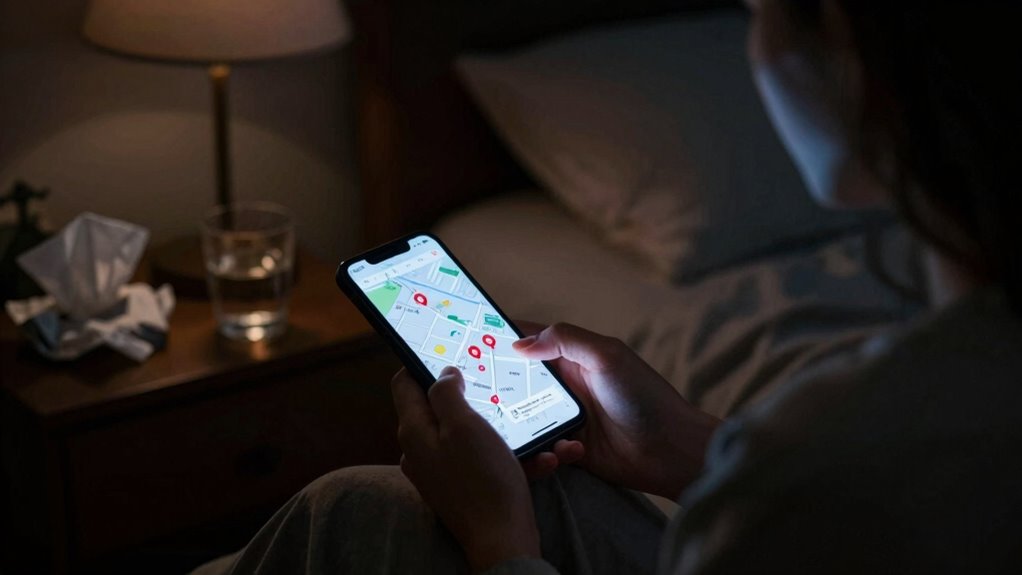
When trust has been broken through infidelity, couples often turn to location sharing as a way to regain control and guarantee honesty. It might seem like a straightforward solution—knowing where your partner is every moment could restore confidence and clear doubts. But the truth is, this approach often complicates trust rebuilding rather than helping it. You might feel like you’re taking a step toward security, but in reality, location sharing can deepen emotional wounds, creating a cycle that’s hard to break.
The emotional impact of constantly monitoring your partner’s whereabouts can be overwhelming. It might give you a fleeting sense of reassurance, but it also fosters suspicion and anxiety. Every ping or check-in becomes a reminder of betrayal, fueling feelings of betrayal and distrust. Instead of fostering openness, location sharing can turn into a tool of control, stripping away privacy and autonomy. The more you rely on it, the more it emphasizes the breach rather than healing from it. This pattern can make you feel perpetually on edge, constantly waiting for confirmation or for something to go wrong, which prevents genuine trust from ever taking root.
Constant monitoring breeds suspicion, anxiety, and control, preventing genuine trust and deepening emotional wounds after infidelity.
In the long run, this focus on surveillance may hinder emotional recovery altogether. Trust rebuilding is a delicate process that requires vulnerability, patience, and open communication—not just knowing where your partner is. When location sharing becomes the main way to measure honesty, it shifts the relationship’s foundation from emotional connection to suspicion. You may convince yourself that this is necessary, but it often leaves both partners feeling more disconnected and guarded. Instead of healing, you risk reinforcing the very doubts that caused the infidelity in the first place.
It’s understandable to want certainty after betrayal, but relying on location sharing often keeps couples stuck in a cycle of mistrust. It’s a pattern that offers temporary relief but prevents true reconciliation. Instead of focusing on external tracking, consider addressing the emotional impact directly. Talk openly about feelings, fears, and boundaries. Rebuilding trust takes time and effort, not surveillance. It’s about creating a safe space where both of you can be honest without fear of judgment or invasion. Recognizing the importance of emotional safety can be a crucial step toward genuine trust and healing.
Additionally, understanding the role of trust-building techniques can help couples develop healthier ways to reconnect and rebuild confidence in each other. Incorporating empathy and active listening can foster understanding and pave the way for more meaningful progress. Establishing a foundation of mutual respect and honesty is essential for lasting reconciliation.
couples therapy communication tools
As an affiliate, we earn on qualifying purchases.
As an affiliate, we earn on qualifying purchases.
Frequently Asked Questions
How Can I Stop Location Sharing Without Causing More Conflict?
You can stop location sharing by calmly setting clear privacy boundaries, emphasizing your need for emotional safety. Explain that your decision isn’t about mistrust but about respecting each other’s privacy and building trust. Choose a good time to talk, listen to their concerns, and reassure them of your commitment. Maintaining open communication helps prevent conflict, showing you value both your emotional safety and the relationship’s health.
What Are Legal Considerations for Tracking a Partner’s Location?
You should be aware of privacy concerns and legal implications before tracking your partner’s location. Laws vary by state or country, but generally, tracking someone without their consent may be illegal and infringe on privacy rights. Always seek legal advice or consent before using location-sharing technology to guarantee you’re not violating any laws. Respecting legal boundaries helps prevent potential disputes and protects both your rights and your partner’s privacy.
How Does Location Sharing Affect Trust Rebuilding?
Location sharing can profoundly impact trust rebuilding by challenging your privacy boundaries and emotional well-being. If you feel monitored, it may create feelings of invasion and resentment, hindering healing. Conversely, transparent communication about boundaries can foster security. You need to balance honesty with respect for each other’s privacy, ensuring emotional impact doesn’t become a barrier. Ultimately, open conversations help rebuild trust without compromising personal boundaries.
Can Location Sharing Be Used as Proof of Infidelity?
Yes, location sharing can be used as proof of infidelity, but it’s important to take privacy concerns and technological risks into account. You might find concrete evidence, yet it can also lead to misunderstandings or invasion of privacy if misused. Relying solely on location data can damage trust further. Instead, focus on open communication and seek professional guidance to navigate suspicions healthily and respectfully.
What Are Healthier Alternatives to Location Sharing Post-Affair?
They say honesty is the best policy, but setting healthy privacy boundaries can be more effective after infidelity. Instead of constant location sharing, focus on rebuilding trust through open communication and emotional security. Respect your partner’s need for privacy, which fosters trust and healing. Establish clear boundaries together, ensuring both feel safe without feeling surveilled. This approach nurtures genuine connection and promotes long-term healing over superficial monitoring.
trust rebuilding exercises for couples
As an affiliate, we earn on qualifying purchases.
As an affiliate, we earn on qualifying purchases.
Conclusion
Breaking free from the cycle of location sharing after infidelity is like trying to untangle a knotted string—you have to carefully work through each loop to find clarity. Remember, trust isn’t rebuilt by constant surveillance, but by setting healthy boundaries and fostering honest communication. You can’t steer your relationship forward if you’re constantly looking back at the past. Let go of the leash, and watch your trust slowly grow stronger, like a sapling reaching toward the sun.
emotional safety and trust books
As an affiliate, we earn on qualifying purchases.
As an affiliate, we earn on qualifying purchases.
As an affiliate, we earn on qualifying purchases.
Fall Picks
fall essentials
As an affiliate, we earn on qualifying purchases.