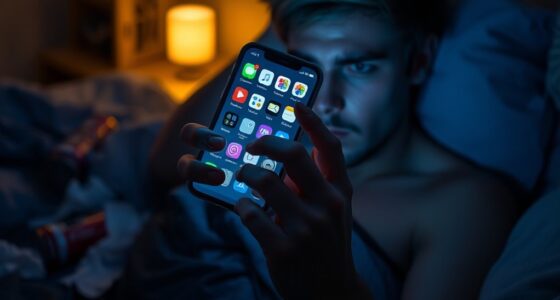
Whether sex addiction is considered real depends on your cultural and scientific perspective. Some research compares it to other behavioral addictions, highlighting signs of loss of control and distress. However, many debate if it’s truly a disorder or a result of moral judgments, especially since sex is natural. Cultural norms and moral values heavily influence how it’s viewed and treated. To understand the ongoing controversy better, explore the complex factors shaping this debate and their implications.
Key Takeaways
- Scientific studies show similarities between sex addiction and other behavioral addictions like gambling, supporting its legitimacy.
- Controversies persist due to sex being a natural activity, blurring lines between healthy and problematic behaviors.
- Cultural and moral views influence recognition, with liberal societies more accepting of sex addiction as a mental health issue.
- Stigma and shame in conservative cultures hinder diagnosis, treatment, and open discussions about sex addiction.
- Ongoing research aims to clarify biological and psychological factors, but moral debates continue to shape its acceptance.

Is sex addiction a genuine disorder or just a misunderstood behavior? That’s a question many people ask, especially when considering the moral implications and cultural perspectives surrounding it. Some see it as a real mental health issue, while others view it as a moral failing or lack of discipline. This divide influences how society perceives those who struggle with compulsive sexual behaviors. In certain cultures, sexual activity is openly discussed and accepted, making it easier to recognize and treat problematic behaviors. Conversely, in more conservative societies, such behaviors might be stigmatized, viewed as immoral, or dismissed altogether. As a result, cultural perspectives shape how individuals interpret and respond to sex addiction, often determining whether someone seeks help or feels shame.
From a scientific standpoint, researchers have made significant strides in understanding sex addiction, finding similarities with other behavioral addictions like gambling or substance abuse. These studies suggest that for some, compulsive sexual activity can become a disorder characterized by loss of control, distress, and negative consequences. Yet, defining it as a “disorder” remains controversial because sex is a natural part of human life. The line between healthy sexuality and problematic behavior can be blurry, which fuels debates about moral implications. Some argue that labeling certain behaviors as addiction risks pathologizing normal sexual expression, while others believe it helps individuals access treatment and support.
Research shows similarities between sex addiction and other behavioral disorders, but defining it remains controversial due to natural human sexuality.
Cultural perspectives also influence how sex addiction is diagnosed and treated. In more liberal societies, there’s often greater acceptance of discussing sexual issues openly, which can lead to more compassionate approaches. In contrast, conservative cultures might view such behaviors as moral failings, leading to shame and concealment. This dichotomy impacts whether people seek help and how practitioners approach treatment. For some, admitting to a sex addiction might conflict with deeply held moral values, making recovery more difficult. Others may refuse to see their behavior as problematic because it aligns with their cultural or religious beliefs about sexuality.
Ultimately, whether sex addiction is considered a real disorder depends on who you ask and their cultural lens. The ongoing research aims to clarify its biological and psychological underpinnings, but moral implications and cultural perspectives continue to shape the conversation. Recognizing this complexity helps you understand that the debate isn’t just about science; it’s also about societal norms, personal values, and how we define health and morality. As perceptions evolve, so does the way we support those facing these challenges, whether we see their behaviors as a disorder or a misunderstood aspect of human sexuality.

Philips Wi-Fi Door Lock, WiFi Smart Lock Keyless Entry Deadbolt for Front Door, Compatible with Alexa & Google Assistant, Remote Control, Built-in WiFi, APP Fingerprint Passcode Unlock, Auto Locking
𝐅𝐥𝐞𝐱𝐢𝐛𝐥𝐞 𝐖𝐚𝐲𝐬 𝐭𝐨 𝐔𝐧𝐥𝐨𝐜𝐤: Unlock the way you want: app, passcode, fingerprint, physical key, or voice via Alexa/Google...
As an affiliate, we earn on qualifying purchases.
Frequently Asked Questions
How Is Sex Addiction Different From High Sexual Desire?
Sex addiction differs from high sexual desire in behavioral differences and impact. If you have a sex addiction, you might compulsively seek out sex despite negative consequences, feeling unable to control your urges. High sexual desire, however, involves strong but manageable sexual thoughts and behaviors that don’t interfere with daily life. Recognizing these distinctions helps you understand whether your behaviors are driven by addiction or natural desire.
Can Sex Addiction Be Cured Without Therapy?
You can’t typically cure sex addiction without therapy, but behavior modification and medication treatment can help manage it. Behavior changes like setting boundaries and avoiding triggers are essential, while medications can reduce compulsive urges. However, professional support often provides the most effective pathway to recovery. Self-help alone may not suffice, so consulting a healthcare provider ensures you get thorough care tailored to your needs.
What Are the Long-Term Effects of Sex Addiction?
Like a shadow that lingers, sex addiction can leave lasting emotional consequences, making you feel empty or overwhelmed long after the urges fade. You might find yourself socially isolated, struggling to connect with others or trust again. Over time, these effects can deepen, affecting your mental health and relationships, creating a cycle that’s hard to break. Recognizing these long-term impacts helps you seek support and healing.
Is Sex Addiction Recognized as a Mental Disorder Globally?
You should know that sex addiction isn’t officially recognized as a mental disorder globally. Cultural perceptions influence how different societies understand and treat compulsive sexual behaviors. Diagnostic criteria vary, making it difficult for many health systems to categorize sex addiction uniformly. While some experts see it as a genuine condition, others believe it’s more about behavioral issues. This inconsistency impacts diagnosis, treatment, and acceptance worldwide.
How Does Sex Addiction Impact Relationships and Family Life?
Sex addiction can shake your relationships like a storm, making emotional intimacy hard to maintain. It strains family dynamics, leading to mistrust, misunderstandings, and emotional distance. You might feel isolated while your loved ones struggle to understand or cope. This cycle can erode your connection, leaving behind a trail of hurt. Addressing these impacts requires honesty, patience, and support to rebuild trust and restore healthy emotional bonds.

GHome Smart Deadbolt Lock, Fingerprint Code Keyless Entry Door Lock for Front Door, Auto Lock, App Control, Digital Keypad deadbolt, Smart Door Lock for Home Airbnb Apartment Hotel Garage, Black
Multi-function Smart Locks: 7-in1 unlock - 50 fingerprints, 50 PIN codes, temporary passwords, one-time passwords, App control and...
As an affiliate, we earn on qualifying purchases.
Conclusion
So, here you are, convinced that sex addiction is just an excuse or a real crisis. Ironically, whether you believe it or not, it impacts lives profoundly. The debate still rages, but the truth remains: addiction’s grip isn’t about labels. It’s about understanding pain, struggles, and healing. Maybe the real question isn’t if sex addiction is real—maybe it’s if you’re willing to see beyond the controversy and offer compassion where it’s desperately needed.

Smart Door Handle Lock with Keypad: Yamiry Fingerprint Smart Knob - Keyless Entry Digital Lock for Front Door - Deadbolt with APP - Generate Passcode Remotely - DIY Installation
[Unlock Your Door with 6-In-1 Versatility] Experience unparalleled convenience and security with our state-of-the-art keyless entry door lock....
As an affiliate, we earn on qualifying purchases.

DESLOC B200 Fingerprint Smart Lock with 2 Lever Handles, Keyless Entry Front Door Lock Set, Electronic Keypad Deadbolt, App Control, Auto Lock, Long Battery Life, Secure Home Access
𝐀𝐩𝐩 & 𝐑𝐞𝐦𝐨𝐭𝐞 𝐂𝐨𝐧𝐭𝐫𝐨𝐥: Pair with Bluetooth for TTLock App control within the distance of 2 meters. Upgrade...
As an affiliate, we earn on qualifying purchases.