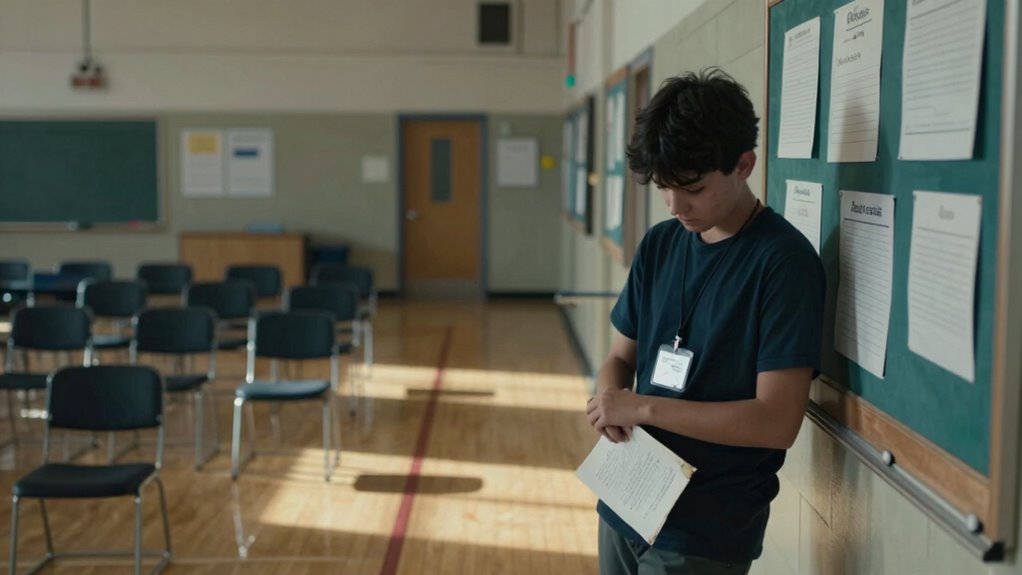

If divorce is affecting your child’s enthusiasm for school events, it’s a quiet signal that they’re struggling emotionally. You might notice them hesitating to join activities they once loved, showing less social engagement, or pulling away altogether. These signs often indicate deeper issues like insecurity or emotional distress. Supporting your child with consistent parental cooperation, emotional resilience, and emotional support can make a big difference. Keep exploring to discover how you can better help your child navigate these challenges.

Get gifts for the two of you delivered free with Prime
- Fast, free delivery on millions of items
- Prime Video, Amazon Music and more included
- Member-only deals all year
Key Takeaways
- Divorce-related emotional distress can lead children to withdraw from school events, signaling deeper emotional and social challenges.
- Lack of parental cooperation and support diminishes a child’s confidence and willingness to participate in school activities.
- Emotional resilience is crucial; without it, children may struggle to recover and fully engage post-divorce.
- Neglecting emotional support can cause lasting impacts on a child’s social development and sense of belonging.
- Small family support efforts significantly influence a child’s ability to cope and stay involved in school life after divorce.

Divorce can profoundly impact a child’s school life, especially when it comes to participating in school events. You might notice your child becoming less enthusiastic about school functions, or perhaps they seem hesitant to join activities that once excited them. This change often reflects the emotional upheaval they’re experiencing. School events are more than just extracurricular activities—they’re social opportunities that foster a sense of belonging and normalcy. When divorce disrupts the family structure, your child’s ability to fully engage can diminish, often signaling deeper emotional struggles.
One of the key factors that influence how well your child navigates these challenges is parental cooperation. When both parents work together to support their child’s participation, it sends a powerful message that they’re still valued and loved, despite the family changes. Cooperation might mean coordinating schedules for school events, communicating positively about the other parent, or simply showing a united front in encouraging your child’s involvement. When parents are divided or indifferent, children pick up on that tension, which can heighten their feelings of insecurity or embarrassment. Conversely, consistent support and cooperation help your child feel emotionally safe, making it easier for them to participate and enjoy school activities again. Understanding the importance of family dynamics in child development can help you foster a more supportive environment. Recognizing the role of emotional resilience**** in helping children adapt to change is also crucial for their well-being.
Building emotional resilience is equally critical. After a divorce, your child faces emotional stress that can make school events seem overwhelming or unimportant. You can help by acknowledging their feelings and encouraging open conversations about their experiences. Reinforcing emotional resilience involves teaching coping skills, showing empathy, and providing stability amid change. When your child learns to manage their feelings effectively, they’re more likely to approach school events with confidence rather than withdrawal. This resilience becomes a foundation that helps them handle not just school activities but broader social interactions and future challenges. Recognizing the importance of emotional support and incorporating it into your daily interactions can significantly improve your child’s coping mechanisms. Additionally, seeking guidance from mental health professionals or school counselors can provide tailored strategies to support your child’s emotional well-being during this transition.
Furthermore, understanding how family support systems influence a child’s response to change can empower you to create a more nurturing environment. Ultimately, the quiet signs of withdrawal from school events often reveal a deeper emotional toll. Your role in fostering parental cooperation and supporting emotional resilience can significantly influence how your child copes. When you prioritize a united approach and help your child develop strength from within, you’re not just enabling participation in school events—you’re helping them rebuild their sense of security and belonging. The small efforts you make to stay engaged and supportive can make a lasting difference, often more than you realize, in helping your child navigate the post-divorce landscape with confidence and resilience.
emotional resilience toys for children
As an affiliate, we earn on qualifying purchases.
As an affiliate, we earn on qualifying purchases.
Frequently Asked Questions
How Can Divorced Parents Coordinate School Event Participation Effectively?
You can coordinate school event participation effectively by prioritizing co-parenting communication. Use clear, consistent updates and stay flexible with event scheduling strategies, like shared calendars or apps, to avoid conflicts. Make a plan early and confirm details regularly, so both parents can support your child’s involvement without misunderstandings. This approach helps reduce stress and keeps your child’s school experience positive, despite the divorce.
What Are the Emotional Impacts on Children Attending School Events Post-Divorce?
You notice your child’s quiet demeanor at school events, and it signals a deeper emotional impact. Post-divorce, they might struggle with emotional resilience, feeling torn between parents. This can influence their peer relationships, making social interactions more challenging. As they navigate these feelings, your support becomes essential. Encouraging open conversations helps bolster their emotional strength, ensuring they feel loved and secure amidst the shifting dynamics.
How Do Schools Typically Handle Attendance Disputes Between Divorced Parents?
Schools typically handle attendance disputes between divorced parents by adhering to custody arrangements and requiring parental consent. You should communicate your custody agreement clearly to the school and guarantee both parents provide necessary permissions. Schools often prioritize the child’s best interests, so they may involve counselors or administrators if disputes arise. Your proactive communication helps prevent misunderstandings and ensures your child’s attendance aligns with court-approved custody arrangements.
Are There Legal Considerations for Divorced Parents Regarding School Event Involvement?
Did you know that 60% of divorced parents face legal challenges over school event involvement? Legally, your rights depend on your custody agreements. Co-parenting strategies like clear communication and documented permissions help avoid conflicts. It’s essential to review your legal custody agreements to understand your involvement rights. Staying informed and cooperative guarantees your child benefits from consistent support, regardless of who attends school events.
How Can Schools Support Children Experiencing Family Changes During Events?
You can support children experiencing family changes by implementing flexible custody arrangements and clear communication strategies. Encourage open dialogue with both parents and the child, fostering a safe environment where feelings are acknowledged. Schools should offer resources like counseling and flexible participation options, ensuring children feel included and supported. By prioritizing understanding and adaptability, you help children navigate family shifts during school events with confidence and emotional security.
kids social skills activity books
As an affiliate, we earn on qualifying purchases.
As an affiliate, we earn on qualifying purchases.
Conclusion
As you navigate the aftermath of a divorce affair, you might notice small signs—like missed school events or distant glances—that seem coincidental yet carry deeper meaning. These subtle cues remind you that the emotional toll extends beyond the surface, quietly shaping your child’s world. Recognizing these signs allows you to address the unspoken costs, fostering healing and understanding. Sometimes, life’s quiet coincidences reveal more than words ever could, urging you to pay closer attention to what truly matters.
parent-child communication tools
As an affiliate, we earn on qualifying purchases.
As an affiliate, we earn on qualifying purchases.
school event participation support for kids
As an affiliate, we earn on qualifying purchases.
As an affiliate, we earn on qualifying purchases.
Fall Picks
fall essentials
As an affiliate, we earn on qualifying purchases.