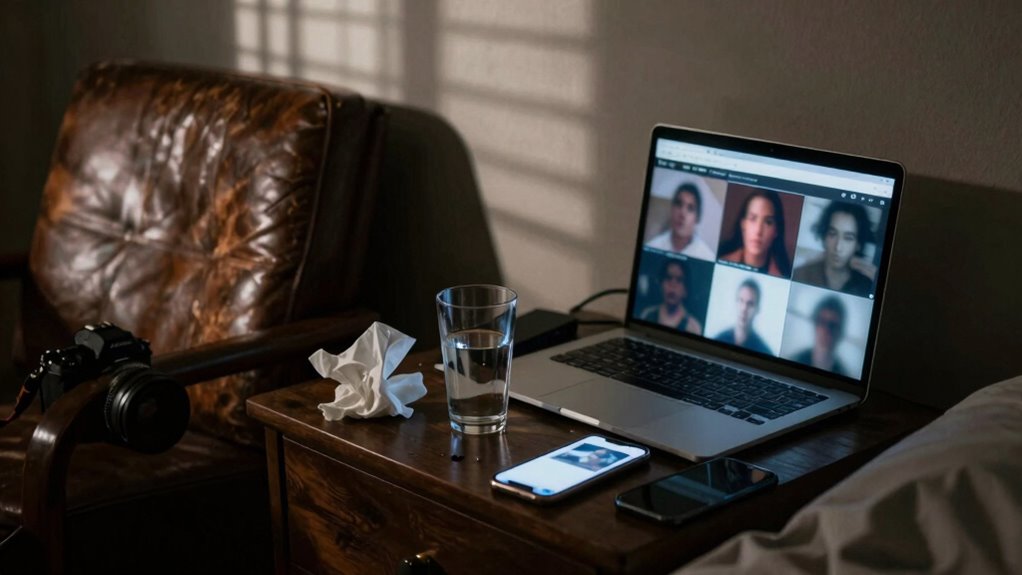

A slip is a small, temporary setback, like browsing provocative sites briefly, and doesn’t undo your overall progress. A relapse, however, means returning fully to habitual porn use, which can reverse your efforts. Hidden emotional triggers—such as boredom, loneliness, or frustration—often strike out of nowhere, making setbacks feel unpredictable. Recognizing these triggers and understanding the difference between slips and relapses can help you respond appropriately. Keep exploring to learn how to better manage these triggers and maintain your recovery journey.

Get gifts for the two of you delivered free with Prime
- Fast, free delivery on millions of items
- Prime Video, Amazon Music and more included
- Member-only deals all year
Key Takeaways
- Hidden emotional triggers like loneliness or boredom can unexpectedly lead to slips or relapses.
- Slips are minor setbacks, while relapses signify a full return to habitual porn use.
- Emotional vulnerability often triggers sudden urges, emphasizing the need for self-awareness and coping strategies.
- Lack of support or accountability can increase susceptibility to unanticipated triggers.
- Recognizing subtle signs of emotional distress helps prevent triggers from escalating into setbacks.

Understanding the difference between a porn relapse and a slip is essential for anyone on a recovery journey. It helps you stay focused, learn from setbacks, and avoid unnecessary feelings of shame or failure. A slip is usually a small, temporary setback—like browsing a provocative website briefly—that doesn’t completely undo your progress. It’s often a one-time event triggered by specific emotional triggers or situational stressors. A relapse, on the other hand, is more serious; it involves a return to habitual porn use and can feel like a full reversal of your efforts. Recognizing the distinction helps you respond appropriately, viewing slips as opportunities to learn and relapse as signals that you might need to reassess your strategies.
Understanding slips versus relapses helps you learn, stay motivated, and respond effectively on your recovery journey.
Emotional triggers play a significant role in both slips and relapses. You might find yourself vulnerable during times of loneliness, boredom, frustration, or anxiety. These feelings can push you toward old habits if you’re not aware of them. When you notice emotional triggers, it’s crucial to pause and address those feelings directly—whether through mindfulness, journaling, or talking to someone you trust. This is where accountability partners become invaluable; they provide external support and perspective, helping you recognize patterns and stay committed to your goals. Sharing your struggles with accountability partners allows you to process emotional triggers rather than suppress them, which reduces the likelihood of impulsive decisions. Developing emotional awareness can significantly empower you to respond more effectively.
It’s important to understand that setbacks happen, and they don’t define your entire recovery journey. Instead of beating yourself up over a slip, see it as a sign that you need to strengthen certain areas—like managing emotional triggers or building a more robust support system. When you communicate openly with accountability partners about what led to a slip or relapse, you gain insights and encouragement to move forward. This shared accountability keeps you honest and motivated, making it easier to identify triggers before they escalate. Recognizing emotional vulnerability and addressing it proactively can significantly reduce the chance of future setbacks. Additionally, developing awareness of your triggers and patterns can help you build resilience and prevent future setbacks before they occur.
Furthermore, understanding the role of contrast ratio in visual content can help you create a more supportive environment for your recovery, such as designing spaces that reduce stress or emotional triggers. Creating an environment that minimizes exposure to triggers can be a powerful step in maintaining your progress. It’s also beneficial to explore deepening self-awareness to better understand the root causes of your emotional responses and cravings. Ultimately, the key is to differentiate between slips and relapses and to treat each accordingly. Slips are part of the process; they’re learning opportunities that help you understand your vulnerabilities. Relapses signal the need for deeper reflection and possibly adjustments in your recovery plan. By staying aware of emotional triggers and leaning on accountability partners, you build resilience and cultivate healthier habits. Remember, recovery isn’t linear, but with the right mindset and support, you can navigate setbacks and continue progressing toward a porn-free life.
mindfulness meditation for emotional triggers
As an affiliate, we earn on qualifying purchases.
As an affiliate, we earn on qualifying purchases.
Frequently Asked Questions
How Can I Differentiate Between a Relapse and a Slip?
In addiction recovery, a slip is a small, temporary setback where you briefly indulge, but quickly regain control. A relapse, however, is a full return to old habits, often lasting longer. To differentiate, pay attention to emotional triggers—slips often happen in response to specific triggers, while relapses indicate a deeper struggle. Recognizing these differences helps you address underlying issues and stay committed to your recovery journey.
What Emotional States Commonly Trigger These Incidents?
You often find emotional triggers like loneliness, boredom, or frustration sparking these incidents. Stress responses, such as feeling overwhelmed or anxious, can also lead you to seek comfort or distraction. Recognizing these emotional states helps you stay aware of potential slip or relapse cues. When you notice these feelings, it’s a good time to implement coping strategies, like mindfulness or reaching out for support, to prevent these triggers from taking over.
Are There Long-Term Effects of Recurring Relapses?
Recurring relapses can lead to long-term effects like reinforced behavior patterns and diminished emotional resilience. You might find it harder to break free from old habits, feeling more trapped and less confident in managing triggers. Over time, this cycle can erode your self-control and increase feelings of shame or guilt. Recognizing these effects helps you develop healthier coping strategies, strengthening your emotional resilience and empowering you to maintain progress.
How Should I Respond After Experiencing a Relapse?
Think of a relapse as a storm passing through your clear sky. You respond by practicing self-compassion strategies, acknowledging your feelings without judgment. Reach out to accountability partners to help you navigate this turbulence and reinforce your resolve. Remember, storms are temporary; they teach resilience. Embrace this moment as an opportunity to learn, grow stronger, and restore your balance. Your journey continues, guided by patience and support.
Can Relapses Indicate Underlying Mental Health Issues?
Yes, relapses can indicate underlying mental health issues. When you experience shame and guilt, it’s a sign to deepen your self-awareness and practice mindfulness. These feelings often stem from unresolved emotional struggles or stress. Recognizing these signs helps you address root causes rather than just symptoms. By understanding your mental health, you can develop healthier coping strategies, reducing the likelihood of future relapses and fostering long-term recovery.
journaling tools for emotional awareness
As an affiliate, we earn on qualifying purchases.
As an affiliate, we earn on qualifying purchases.
Conclusion
Understanding the difference between a relapse and a slip can be your anchor in stormy seas. A slip is a fleeting stumble, a moment to learn from rather than condemn yourself. A relapse, however, signals a deeper need for change. Recognize the subtle triggers before they catch you off guard. By staying aware, you turn setbacks into stepping stones, transforming potential crashes into opportunities for growth—because in this battle, awareness is your greatest weapon.
supportive accountability partner apps
As an affiliate, we earn on qualifying purchases.
As an affiliate, we earn on qualifying purchases.
As an affiliate, we earn on qualifying purchases.
Columbus Day / Indigenous Peoples' Day Picks
long weekend sales
As an affiliate, we earn on qualifying purchases.