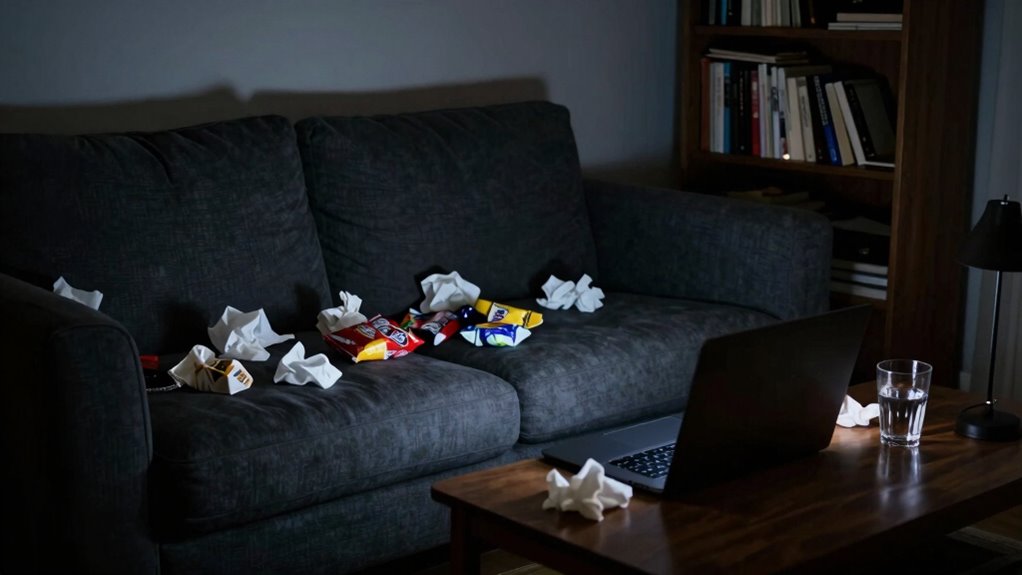

At home, your emotional triggers—like boredom, stress, or loneliness—can spark the urge to watch porn. Unclear boundaries and device accessibility make it easier to fall into old habits, especially during quiet moments or late at night. Secrecy and shame can intensify feelings of isolation, making recovery harder. Adjusting your environment, setting tech-free zones, and being honest with yourself help break these patterns. If you want to understand more about how to navigate these triggers, keep exploring how your space affects your habits.

Get gifts for the two of you delivered free with Prime
- Fast, free delivery on millions of items
- Prime Video, Amazon Music and more included
- Member-only deals all year
Key Takeaways
- Emotional states like boredom, loneliness, or stress often unconsciously trigger porn use at home.
- Lack of clear digital boundaries and late-night routines increase accessibility and temptation.
- Secrecy and shame reinforce emotional isolation, making recovery more difficult.
- Home environments that lack privacy or have devices in bedrooms hinder efforts to overcome addiction.
- Addressing emotional triggers and establishing tech-free zones strengthen resistance to relapse.
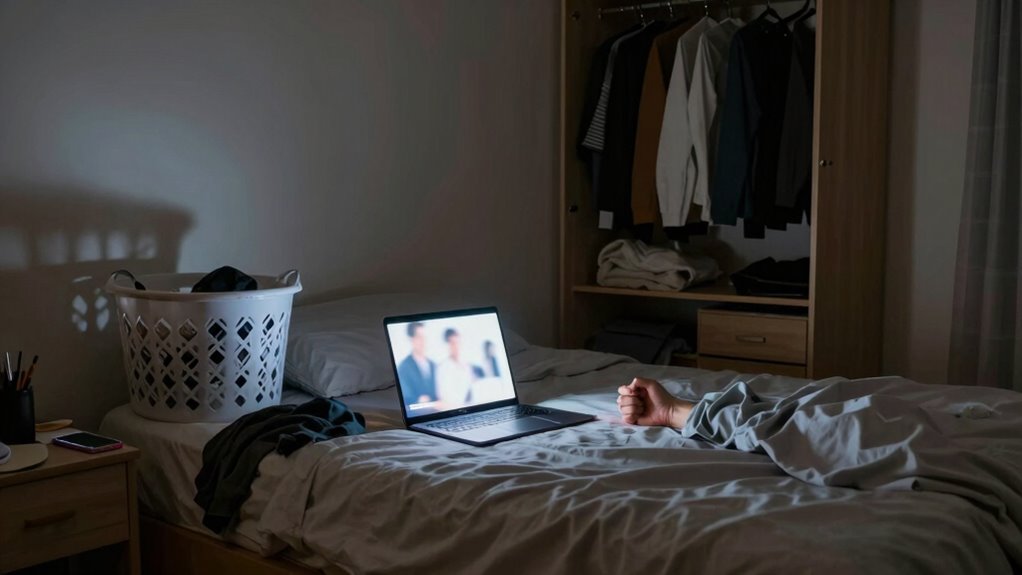
Many people find that their home environment can unknowingly trigger porn addiction. When you’re surrounded by familiar spaces and routines, it’s easy to fall into patterns that reinforce compulsive behavior. Emotional triggers are a big part of this. You might notice that feelings of boredom, loneliness, stress, or anxiety lead you straight to your devices, seeking a quick escape or temporary relief. Without realizing it, your home can become a place where these emotions are either amplified or minimized, making it more tempting to turn to porn as a coping mechanism. Recognizing these emotional triggers is essential because they often operate beneath your awareness, prompting you to act impulsively without considering the long-term impact.
Home environments can unknowingly trigger porn addiction through emotional cues and familiar routines.
Another common factor that contributes to triggers at home is the lack of clear digital boundaries. When your devices are always within reach, and there aren’t firm rules about when and where to use them, it’s easy for habits to develop that can spiral into addiction. You might find yourself mindlessly scrolling late into the night or using your phone or computer as a default way to fill silence or avoid difficult conversations. Over time, this blurring of boundaries creates an environment where porn consumption becomes ingrained in your daily routine, often without you fully realizing how it’s taking over your thoughts and behaviors. Establishing digital boundaries—like designated tech-free zones or times—can help you regain control over your environment and reduce the temptation. Incorporating digital boundaries into your daily routine can serve as a powerful tool for recovery.
Your home environment can also foster a sense of secrecy or shame, which makes it harder to break free from the cycle. If you feel like you have to hide your habits or keep them hidden from loved ones, it reinforces feelings of guilt and isolation. This secrecy feeds into emotional triggers, making it more likely that you’ll seek solace online in ways that aren’t healthy. Recognizing this pattern is key. Open communication with your partner about your struggles, coupled with creating a supportive environment where honesty is encouraged, can diminish some of these triggers. Additionally, home environment factors such as privacy and comfort can either facilitate or hinder recovery efforts, highlighting the importance of intentional space management. Creating a safe and supportive environment can significantly reduce feelings of shame and make recovery more attainable. Being aware of the specific emotional triggers that prompt your habits can empower you to seek healthier alternatives and build resilience against relapse.
Furthermore, understanding the influence of your home environment can help you identify specific areas that may need adjustments, such as removing devices from bedrooms or creating dedicated spaces for relaxation and connection. Ultimately, understanding how your home environment influences your behavior is a critical step toward recovery. You need to identify those emotional triggers that drive your urges and set firm digital boundaries to protect your mental health. By making intentional changes—like creating tech-free spaces, developing healthier routines, and addressing underlying emotional issues—you can reduce the power your home environment has over your habits. The more aware you are of these triggers, the better equipped you’ll be to develop strategies that support your journey toward overcoming porn addiction.
As an affiliate, we earn on qualifying purchases.
Frequently Asked Questions
How Can I Tell if My Partner’s Porn Use Is Compulsive?
You can tell if your partner’s porn use is compulsive by noticing emotional triggers and behavioral cues. If they seem secretive, hide their devices, or become defensive when questioned, these are warning signs. Watch for increased frequency, loss of interest in intimacy, or feelings of guilt afterward. These behaviors suggest their porn use might be driven by compulsive tendencies, signaling a deeper issue they may need help addressing.
Are There Specific Household Routines That Increase Porn Addiction Risk?
Yes, certain household routines can increase porn addiction risk. If chores become overwhelming or routines are disrupted frequently, you might find your partner turning to porn as a coping mechanism. Irregular schedules, lack of shared activities, and unstructured time can create opportunities for compulsive behavior. Staying consistent with routines and sharing chores can help reduce these triggers, fostering a more stable environment that discourages reliance on porn for comfort or escape.
What Role Does Emotional Intimacy Play in Preventing Porn Triggers?
Emotional intimacy plays a vital role in preventing porn triggers by fostering emotional vulnerability and trust building between you and your partner. When you openly share feelings and insecurities, you create a safe space that reduces the urge to seek validation elsewhere. Strengthening this bond helps both of you feel understood and connected, decreasing the likelihood of turning to porn as a coping mechanism, and nurturing long-term relationship health.
Can Household Privacy Boundaries Influence Porn Consumption Habits?
Yes, household privacy boundaries can influence your porn consumption habits. When privacy is respected within your household environment, you’re more likely to feel safe and in control, reducing the urge to seek outside stimuli. Conversely, unclear boundaries may lead to temptation or secretive behaviors. Setting and honoring privacy boundaries helps create a supportive atmosphere, making it easier for you to manage triggers and develop healthier habits around media use.
How Do I Address My Own Triggers Related to My Partner’s Porn Use?
To address your triggers related to your partner’s porn use, start with self-awareness techniques like journaling or mindfulness to identify your feelings. Then, use communication strategies such as calm, honest conversations to share your concerns and boundaries. This approach helps build understanding and trust, making it easier to manage your reactions. Remember, focusing on your emotions and maintaining open dialogue are key to steering through these challenges together.
As an affiliate, we earn on qualifying purchases.
Conclusion
Understanding the triggers at home can be like opening the door to a healthier relationship. Recognizing the subtle warning signs and creating open lines of communication act as your guiding stars through the storm. Remember, addressing porn addiction isn’t a battle you fight alone—it’s a shared journey. By facing these triggers head-on, you’ll find your connection growing stronger, like roots intertwining beneath the surface, steady and resilient in the face of any challenge.
As an affiliate, we earn on qualifying purchases.
home environment organization tools
As an affiliate, we earn on qualifying purchases.
As an affiliate, we earn on qualifying purchases.
Fall Picks
fall essentials
As an affiliate, we earn on qualifying purchases.