

Building your self-esteem through self-love is one of the most effective ways to combat love addiction. By setting healthy boundaries and nurturing your worth, you create a strong emotional foundation that reduces reliance on external validation. This process boosts your confidence, helps you manage difficult feelings, and shifts your view of love from dependency to a healthy, nourishing experience. Keep exploring how these habits can transform your relationships and deepen your self-respect.
Key Takeaways
- Cultivating self-love enhances emotional resilience, helping individuals better manage feelings and reduce dependency on unhealthy relationships.
- Establishing healthy boundaries reinforces self-respect and prevents overreliance on others for validation.
- Developing confidence through self-awareness and boundary-setting diminishes vulnerability to love addiction.
- Prioritizing mental and emotional health fosters a stable sense of self-worth, reducing the need for external approval.
- Building self-esteem supports long-term growth, encouraging healthier relationship dynamics and emotional independence.

When life feels overwhelming, practicing self-love becomes a powerful remedy. It’s a crucial step toward strengthening your emotional resilience, which helps you withstand life’s challenges without losing your footing. Building emotional resilience isn’t about avoiding difficult feelings but learning how to manage them effectively. When you nurture self-love, you create a sturdy foundation that allows you to bounce back from setbacks and stay grounded in your worth, even during turbulent times. One essential aspect of this process is setting boundaries. Boundaries are your safeguard, helping you define what’s acceptable and what’s not in your relationships. They serve as a clear signal to others—and yourself—about your limits, ensuring that you’re not sacrificing your well-being for the sake of pleasing others. By establishing healthy boundaries, you prevent yourself from falling into patterns of love addiction, where you might cling to unhealthy relationships to fill a void or seek constant validation. Boundaries also reinforce your self-esteem, reminding you that you deserve respect and care. When you’re committed to setting boundaries, you’re actively protecting your emotional health and demonstrating that your needs matter. This act of self-respect fosters a sense of control, which is fundamental for developing genuine self-love. As you practice boundaries setting, you’ll notice a shift in how you view yourself—more confident, more in tune with what you want, and less dependent on external validation. Emotional resilience grows stronger as you learn to navigate your feelings without feeling overwhelmed or consumed by them. It allows you to face rejection, disappointment, or heartbreak with greater ease because you recognize your worth isn’t tied to others’ approval. This resilience, coupled with clear boundaries, creates a secure space where love becomes a complement to your life rather than an addiction or dependency. Remember, self-love isn’t selfish; it’s an act of compassion toward yourself. It empowers you to prioritize your mental and emotional health, making it easier to resist unhealthy attachment patterns. When you value yourself enough to set boundaries, you affirm that your happiness and well-being come first. Developing emotional resilience is also supported by understanding your physical health, such as proper nutrition and rest, which can influence your emotional stability. Over time, this builds a resilient, confident you—less vulnerable to the highs and lows of love addiction and more anchored in your self-worth. The journey toward true self-love isn’t instant, but every step you take in cultivating emotional resilience and setting boundaries gets you closer to a healthier, more balanced relationship with yourself and others.

Dream, Believe, Achieve: A Self-Love Journal for Tween Girls Ages 8-12 with Prompts and Activities for Building Confidence and Self-Esteem
As an affiliate, we earn on qualifying purchases.
As an affiliate, we earn on qualifying purchases.
Frequently Asked Questions
Can Self-Love Completely Eliminate Love Addiction?
Self-love can markedly reduce love addiction, but it might not eliminate it entirely. By cultivating emotional independence and understanding your attachment style, you strengthen your self-esteem and lessen dependency on others. Developing these qualities helps you recognize unhealthy patterns, making you less vulnerable to love addiction. While self-love is a powerful tool, ongoing self-awareness and growth are essential for lasting change and emotional balance.
How Long Does It Take to Rebuild Self-Esteem?
It typically takes about six months to a year to rebuild self-esteem, but recovery duration varies for everyone. Studies show that consistent effort and self-compassion can accelerate progress. You might notice small improvements within weeks, but lasting change requires patience. Keep practicing self-love daily, and you’ll gradually strengthen your confidence, helping you break free from love addiction’s grip. Remember, your self-esteem journey is uniquely yours—trust the process.
Are There Specific Therapies Recommended for Love Addiction?
Yes, there are specific therapy options for love addiction. You might find cognitive-behavioral therapy (CBT) helpful to identify and change unhealthy patterns. Dialectical behavior therapy (DBT) can also teach emotional regulation skills. Some treatment approaches include group therapy or 12-step programs like Sex and Love Addicts Anonymous (SLAA). Consulting a mental health professional will help determine the best therapy options tailored to your needs and support your recovery journey.
Can Self-Love Improve Other Mental Health Issues?
Imagine your mind as a garden, where self-love is the nourishing sunlight. By practicing self-compassion, you strengthen emotional resilience, allowing you to weather storms like anxiety or depression. When you nurture your self-esteem, you cultivate inner peace and stability. Yes, self-love can markedly improve your mental health, empowering you to face challenges with kindness and courage, transforming your inner landscape into a thriving sanctuary.
What Are Common Signs of Love Addiction Early On?
You might notice early signs of love addiction through attachment patterns that feel overly intense or clingy. Emotional dependency becomes prominent, and you constantly seek reassurance from your partner. You could struggle to be alone or feel anxious when not in contact. These signs often stem from deeper insecurities, and recognizing them early allows you to develop healthier boundaries and foster self-love, breaking free from unhealthy attachment patterns.

Set Boundaries, Find Peace: A Guide to Reclaiming Yourself
As an affiliate, we earn on qualifying purchases.
As an affiliate, we earn on qualifying purchases.
Conclusion
By building self-love, you strengthen your self-esteem and break free from love addiction. Remember, studies show that individuals with higher self-esteem are 60% less likely to develop unhealthy attachment patterns. When you prioritize your well-being and embrace your worth, you create healthier relationships and a happier life. So, start today—cherish yourself, set boundaries, and watch how your confidence transforms your love life for the better. You deserve love that uplifts, not diminishes.
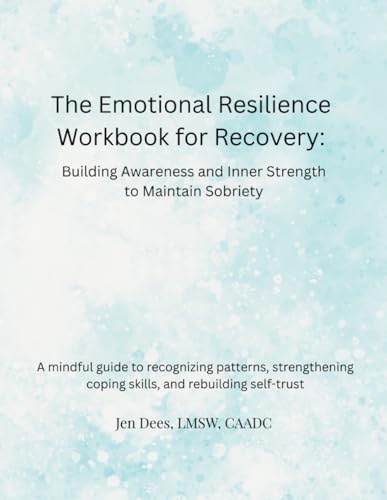
The Emotional Resilience Workbook For Recovery: Building Awareness and Inner Strength to Maintain Sobriety
As an affiliate, we earn on qualifying purchases.
As an affiliate, we earn on qualifying purchases.

Self-Love Affirmations & Reflections: A Ritual for Self-Worth, Self-Compassion, and Self-Care
As an affiliate, we earn on qualifying purchases.
As an affiliate, we earn on qualifying purchases.