
Loving too much can trap you in unhealthy cycles, but recovery stories show that healing is possible if you focus on establishing emotional boundaries and building healthy attachment styles. As you work on reclaiming your self-identity and prioritizing your well-being, you’ll notice gradual but meaningful changes in your relationships. Remember, recovering from love addiction involves patience and consistent effort, and those who succeed often find more balanced, fulfilling connections. Keep exploring—you’ll discover how to transform love into something healthy and sustainable.

Get gifts for the two of you delivered free with Prime
- Fast, free delivery on millions of items
- Prime Video, Amazon Music and more included
- Member-only deals all year
Key Takeaways
- Sharing personal stories highlights the importance of establishing emotional boundaries for healing.
- Recovery involves recognizing unhealthy attachment patterns and working to rebuild trust in oneself and others.
- Patience and consistent effort are vital as love addiction healing is a gradual, non-linear process.
- Support from professionals or loved ones helps navigate guilt or anxiety about prioritizing personal needs.
- Achieving healthy love involves fostering self-awareness, setting boundaries, and cultivating genuine, respectful relationships.
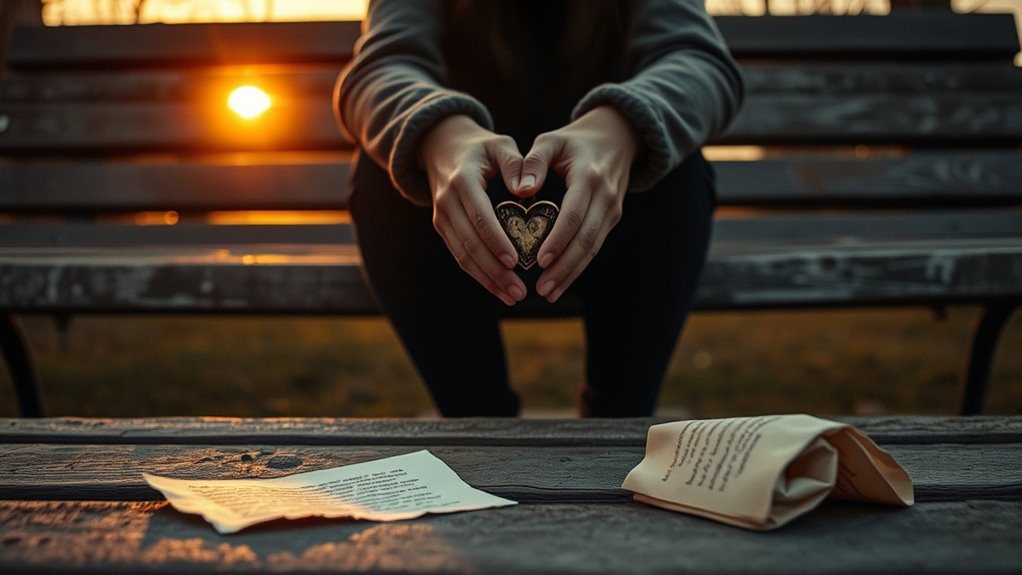
Recovering from love addiction is a journey filled with both struggle and hope. It’s about learning to reclaim your sense of self and break free from patterns that have kept you trapped in unhealthy cycles. One of the most essential steps in this process is establishing emotional boundaries. When you love too much, you often find yourself sacrificing your needs, feelings, or even your identity to maintain the relationship. Setting emotional boundaries means recognizing where your limits are and communicating them clearly. It’s about understanding that your feelings are valid, and you don’t have to compromise your well-being to keep someone else happy. These boundaries serve as a protective barrier, helping you avoid falling into codependent behaviors or losing sight of your personal worth.
Developing healthy attachment styles is another key aspect of recovery. Love addiction often stems from insecure attachment patterns formed early in life, which can make you cling to relationships out of fear of abandonment or loneliness. To foster healthy attachment, you need to challenge these ingrained beliefs and adopt a more balanced approach to intimacy. This involves learning to trust yourself and others, recognizing that you’re deserving of love without losing your independence. Building healthy attachments means practicing self-compassion and giving yourself permission to be alone or to walk away if a relationship becomes toxic. As you work on these patterns, you’ll find it easier to engage with others in a way that respects both your needs and theirs, creating more genuine, sustainable connections. Additionally, understanding the importance of safe and secure environments can support your healing process by providing stability as you rebuild your sense of self.
It’s important to remember that establishing emotional boundaries and cultivating healthy attachment doesn’t happen overnight. It requires consistent effort, self-awareness, and patience. You might initially feel guilty or anxious about putting your needs first, but over time, you’ll learn that prioritizing your emotional health isn’t selfish—it’s necessary for true healing. Surround yourself with supportive people or seek guidance from professionals who understand love addiction. They can help you identify unhealthy patterns and develop strategies to reinforce your boundaries and attachment styles. As you progress, you’ll notice a shift: your relationships will become more balanced, and you’ll develop a stronger sense of self. Recovery isn’t linear, but with each step, you inch closer to a life where love is healthy, fulfilling, and rooted in mutual respect, rather than dependency.
emotional boundary setting workbook
As an affiliate, we earn on qualifying purchases.
As an affiliate, we earn on qualifying purchases.
Frequently Asked Questions
How Can I Recognize if I’M a Love Addict?
You might be a love addict if you notice emotional dependency guiding your relationships, making you feel anxious or incomplete without your partner. Pay attention to attachment styles; if you cling or fear abandonment excessively, it’s a sign. You may prioritize love over your well-being, ignoring red flags, and struggle with boundaries. Recognizing these patterns helps you understand your behavior and take steps toward healthier, balanced connections.
What Are Effective Ways to Start Recovery?
Imagine rebuilding a fragile bridge after a storm—start by setting clear boundaries to protect your foundation. To begin recovery, embrace self-care practices that nurture your strength and independence. Practice saying no, prioritize your needs, and seek support from trusted friends or professionals. Each step reinforces your new structure, helping you regain balance and confidence. Over time, your emotional bridge becomes sturdy, guiding you toward healthier relationships and renewed self-love.
Can Love Addiction Be Cured Completely?
Love addiction can be managed, but complete cure depends on your commitment to recovery. You might experience a reduction in emotional dependency and obsessive behaviors over time, especially with therapy, support groups, and self-awareness. While some individuals find lasting freedom, others need ongoing effort. The key is to stay vigilant, address triggers, and work on building healthy relationships, knowing that recovery is a continuous journey rather than a final destination.
How Does Love Addiction Affect Mental Health?
You might not realize it, but love addiction can profoundly impact your mental health. About 60% of love addicts develop insecure attachment patterns, fueling emotional dependency and anxiety. This emotional dependency can lead to depression, low self-esteem, and difficulty trusting others. Recognizing how love addiction affects your mental well-being is the first step toward healthier relationships and emotional stability, helping you regain control and foster genuine connections.
What Support Groups Are Available for Love Addicts?
You can find support groups like LoveAddicts Anonymous, which focus on emotional dependency and unhealthy attachment issues. These groups provide a safe space for you to share your experiences and learn healthier relationship patterns. Attending regular meetings helps you build awareness, develop coping skills, and break free from compulsive love behaviors. Remember, support groups are a crucial step toward healing and establishing balanced, fulfilling connections.
As an affiliate, we earn on qualifying purchases.
Conclusion
As you gently close the book of your past, remember that love is like a delicate garden. With patience, you tend to each fragile blossom, learning which ones to nurture and which to let go. Your heart, once a restless river, now finds its steady course, flowing with newfound strength. Embrace this journey of recovery, knowing that even amidst the thorns, beautiful blooms will flourish—your love story transforming into a resilient, vibrant garden.
self-care journal for love addiction
As an affiliate, we earn on qualifying purchases.
As an affiliate, we earn on qualifying purchases.
professional counseling for love addiction
As an affiliate, we earn on qualifying purchases.
As an affiliate, we earn on qualifying purchases.
Halloween Picks
halloween
As an affiliate, we earn on qualifying purchases.