

When trauma blocks intimacy, you may find emotional barriers preventing trust and vulnerability. Recognizing these defenses is the first step, then creating a safe space helps lower them gradually. Building trust takes patience, small acts of openness, and consistent care from both partners. Healing is a process that involves understanding past wounds, practicing self-compassion, and supporting each other’s progress. Keep exploring ways to work through these challenges—you’ll discover how healing together can foster deeper connection.
Key Takeaways
- Recognize and understand emotional barriers as protective responses to trauma to begin addressing intimacy issues.
- Create a safe space through consistent care and gentle disclosures to foster trust and openness.
- Practice patience and persistence, knowing healing is gradual and setbacks are normal.
- Reflect on past experiences and consider therapy to reframe perceptions of safety and intimacy.
- Cultivate self-compassion and believe in the possibility of growth to rebuild authentic connections.

Trauma can profoundly influence how you connect with others, often shaping your capacity for intimacy in unexpected ways. When you’ve experienced trauma, it’s common to develop emotional barriers that make opening up feel risky or overwhelming. These barriers act as protective shields, preventing you from fully trusting others and sharing your deepest feelings. Recognizing these barriers is the first step toward trust rebuilding, which can feel intimidating but is essential for forming genuine connections. You might find yourself withdrawing from close relationships or hesitating to get too emotionally involved, fearing vulnerability might lead to pain or rejection. These reactions aren’t signs of weakness but natural responses to past wounds.
Emotional barriers after trauma protect you but can hinder genuine connection and trust rebuilding.
Trust rebuilding takes patience and intentional effort. It’s about creating a safe space, both internally and externally, where you can gradually lower your emotional defenses. Start small. Share minor feelings or thoughts with someone you trust, and notice how they respond. Consistent, caring behavior from others helps reinforce that your vulnerability won’t be met with judgment or hurt. Over time, these small acts of openness can chip away at emotional barriers and help you regain confidence in your ability to trust again. Remember, rebuilding trust isn’t a linear process. There will be setbacks, moments when you feel vulnerable or unsure, but persistence is key. Celebrate each small step forward, knowing that every bit of progress is a sign of healing.
You might also need to work on understanding the origins of your emotional barriers. Reflecting on past experiences and how they shaped your perceptions of safety and trust can empower you to challenge those beliefs. Therapy can be incredibly helpful here, providing a supportive environment to explore these deep-seated issues. Through guided conversations, you can learn to reframe your narrative around intimacy and develop healthier ways to connect. Additionally, understanding the dynamics of narcissistic relationships can shed light on how emotional manipulation and gaslighting may have contributed to your barriers. As you do this work, focus on self-compassion. Healing from trauma isn’t about perfection but progress. Be gentle with yourself as you navigate trust rebuilding, recognizing that each effort you make is moving you closer to authentic intimacy.
Finally, remember that healing is a process, not a destination. It takes time to dissolve emotional barriers and rebuild trust, but with patience and support, you can restore your ability to connect deeply with others. Your past trauma doesn’t have to define your future relationships. With intentional steps and a compassionate approach, you can break down the walls that have kept you distant and embrace the intimacy you deserve. Trust rebuilding is possible, and it begins with believing in your capacity to heal and grow.

INSIDE THEN OUT Dig Deeper Journal – Guided Daily Journal with 180 Undated Prompts for Intention, Healing, Growth, Gratitude, Self Love & Discovery – Self Care Routine Gift for Women and Men
- Guided Daily Prompts: 180 prompts for intention and growth
- Undated Pages: Start anytime at your own pace
- Six Themed Sections: Intention, healing, gratitude, presence, purpose, growth
As an affiliate, we earn on qualifying purchases.
As an affiliate, we earn on qualifying purchases.
Frequently Asked Questions
How Can I Tell if Trauma Is Affecting My Intimacy?
You can tell trauma affects your intimacy if you notice emotional cues like withdrawal, fear, or difficulty trusting your partner. Trust indicators include feeling guarded, avoiding closeness, or struggling to share your feelings openly. If these signs resonate, it’s a sign that past wounds might be blocking your connection. Recognizing these cues is the first step toward healing and rebuilding trust in your intimate relationships.
Are There Specific Therapy Methods Effective for Trauma-Related Intimacy Issues?
Yes, specific therapy methods can effectively address trauma-related intimacy issues. EMDR therapy helps you process and reframe traumatic memories, reducing their impact on your relationships. Somatic experiencing focuses on releasing stored tension and trauma from your body, promoting emotional regulation. Both approaches empower you to build trust and intimacy again. Consider consulting a licensed therapist trained in these methods to develop a personalized plan for healing and reconnecting.
Can Trauma Healing Improve Long-Term Relationship Satisfaction?
Trauma healing truly transforms relationship tides, boosting long-term satisfaction. By building trauma resilience and mastering emotional regulation, you foster trust, deepen connection, and reduce misunderstandings. As you actively address past wounds, your bond becomes stronger and more resilient. This process promotes open communication and emotional safety, paving the way for lasting happiness together. With consistent effort, healing trauma enhances not just individual well-being but also your shared relationship joy.
How Long Does It Typically Take to Overcome Trauma-Related Intimacy Barriers?
It usually takes several months to a few years to overcome trauma-related intimacy barriers. During this process, you’ll focus on trust rebuilding and vulnerability development, which are essential for healing. Consistent effort, open communication, and patience help you gradually break down walls. Remember, everyone’s healing timeline differs, so stay committed and compassionate with yourself as you work through these challenges.
What Are Early Signs That Trauma Is Hindering Emotional Connection?
You might notice emotional withdrawal or hesitating to share your feelings, which signals trauma could be hindering your connection. Trust issues often surface first, making it hard to feel safe or vulnerable around others. If you find yourself pulling away or doubting your partner’s intentions, these are early signs trauma is impacting your emotional bond. Recognizing these signs helps you start addressing the underlying wounds and rebuild intimacy.
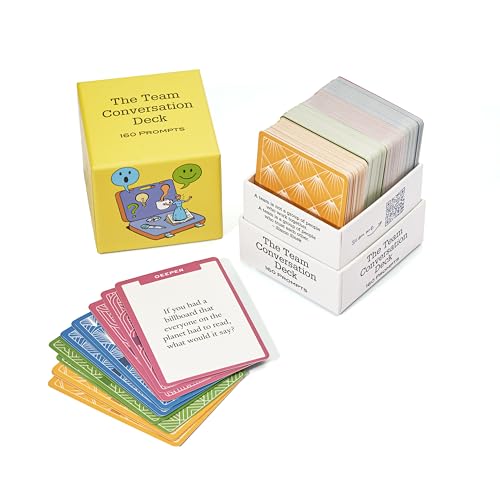
160 Team Building Cards for Managers – Build Trust & Improve Team Performance – 4 Categories from Light Icebreakers to Strategic Team Questions – For Meetings & 1-on-1s | Say This Not That Cards
- Work-Safe and Pre-Screened: Safe for all hierarchy levels
- Four Strategic Categories: From light icebreakers to deep questions
- Color-Coded for Easy Selection: Instantly choose your connection level
As an affiliate, we earn on qualifying purchases.
As an affiliate, we earn on qualifying purchases.
Conclusion
When trauma blocks intimacy, it’s like trying to swim through a whirlpool of past pain—nothing feels quite right, and connection seems impossible. But remember, healing together can turn that whirlpool into a gentle stream. With patience and love, you can break free from those massive walls built by your wounds. Trust me, once you start healing, the love and closeness you’ll experience will be so powerful, it’ll feel like you’re soaring above the clouds—unbreakable and limitless.

Mind Brain Emotion 52 Essential Coping Skills Cards – Self Care Exercises for Stress and Social Anxiety Relief – Resilience, Emotional Agility, Confidence Therapy Games for Teens, Adults
- Build Skills and Reduce Stress: CBT, meditation, somatic exercises
- Enhance Emotional Control: Stress reduction and emotion mastery strategies
- Developed by Harvard Researcher: 50+ evidence-based resilience and mindfulness cards
As an affiliate, we earn on qualifying purchases.
As an affiliate, we earn on qualifying purchases.

Love More, Fight Less: Communication Skills Every Couple Needs: A Relationship Workbook for Couples
As an affiliate, we earn on qualifying purchases.
As an affiliate, we earn on qualifying purchases.