

When one partner wants more intimacy than the other, it often signals unmet emotional needs like reassurance, connection, or feeling valued. Remember, everyone has different comfort levels and ways of expressing closeness. To strengthen the bond, try understanding your partner’s motives and respond with small, meaningful gestures. Creating a safe, empathetic space encourages mutual understanding. If you’re curious how to navigate these differences effectively, there’s more helpful insight to explore below.
Key Takeaways
- Understand and validate your partner’s emotional needs, like reassurance and connection, to foster empathy and deeper intimacy.
- Communicate openly about each other’s comfort levels and boundaries to find a mutually satisfying pace of closeness.
- Ask gentle questions to clarify underlying reasons for increased intimacy desires, such as feelings of insecurity or emotional need.
- Respond with small, consistent gestures—like hugs or eye contact—to show willingness to meet your partner’s needs comfortably.
- Create a safe, trusting environment through open dialogue and empathy, encouraging healthy and sustainable emotional closeness.

When your partner expresses a desire for more intimacy, it can feel both surprising and challenging to navigate. You might wonder what’s causing their increased need for closeness and how to meet those emotional needs without feeling overwhelmed or pressured. Recognizing that emotional needs are at the core of their request helps you approach the situation with empathy. They may be craving more reassurance, connection, or vulnerability, which can come across through physical affection. Physical touch often acts as a tangible way to communicate emotional closeness, so when your partner seeks more intimacy, they’re likely looking for reassurance and a sense of being valued.
Recognizing emotional needs helps foster empathy and meaningful connection in intimacy.
It’s important to remember that everyone has different levels of comfort and different ways of expressing intimacy. Your partner’s desire for more may not necessarily mean they want constant physical affection or grand gestures. Sometimes, it’s about small, consistent acts—holding hands, hugging, or simply sitting close—that help fulfill their emotional needs. These gestures reinforce the bond and create a safe space where they feel loved and appreciated.
If your partner’s request feels like a shift from your usual routine, try to understand what they’re truly seeking. Instead of feeling defensive or overwhelmed, ask gentle questions to clarify their feelings. Are they craving more physical affection because it makes them feel secure? Or are they longing for more emotional connection through conversations or shared experiences? Knowing their underlying needs helps you respond in a way that’s meaningful to both of you.
Balancing your comfort with theirs is key. You don’t have to meet their needs perfectly, but showing willingness to connect can go a long way. You might consider small gestures like a spontaneous hug, a reassuring touch, or simply making eye contact during conversations. These actions communicate that you’re attentive to their emotional needs and open to increasing intimacy at a pace that feels safe for both of you.
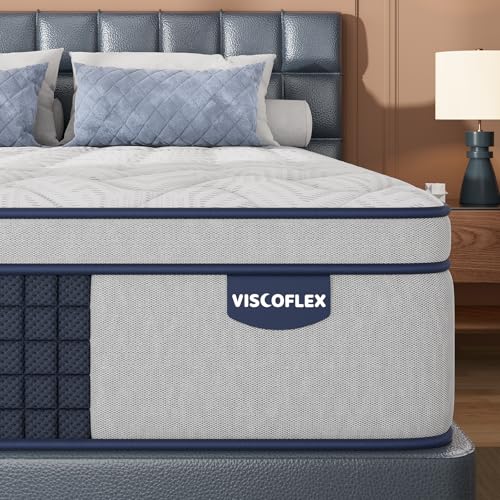
Extra Firm King Size Mattress 12 Inch, Deep Sleep Hybrid Mattress for Lumbar Support & Back Side Sleepers, Pain Relief Mattresses in a Box with Pocket Springs & Cooling Gel - 365-Night Trial
12 Inch King Mattress / Firm Hybrid Mattress King Size
As an affiliate, we earn on qualifying purchases.
Frequently Asked Questions
How Can I Express My Needs Without Hurting My Partner?
You can express your needs by honestly sharing your feelings with kindness and clarity. Use “I” statements to avoid blame, like “I feel loved when we spend more quality time together.” Set boundaries gently but firmly, explaining what you need without making your partner feel rejected. Open communication helps both of you understand each other better, fostering trust and making it easier to navigate your intimacy differences.
What Are Signs My Partner Is Uncomfortable With Intimacy?
You notice your partner’s discomfort through subtle signs like avoiding eye contact, pulling away physically, or showing hesitation during intimate moments. They might set emotional boundaries, indicating they’re not ready for certain levels of closeness. Physical discomfort can also show up as tense body language or reluctance to engage. Pay attention to these cues and gently ask about their feelings, respecting their boundaries to foster trust and understanding.
How Do Cultural Differences Affect Intimacy Expectations?
Cultural norms shape intimacy expectations, creating a vivid contrast between your partner’s background and your own. You might find that what feels natural to you is unfamiliar or even uncomfortable for them. Managing these differences requires patience and open-minded conversations, as you both learn to respect each other’s boundaries. Embrace the opportunity to grow together, understanding that cultural influences influence how intimacy is expressed and received.
Can Therapy Help Resolve Mismatched Intimacy Levels?
Yes, therapy can help resolve mismatched intimacy levels. It encourages you to explore emotional vulnerability, which fosters understanding and trust. A therapist helps you and your partner overcome communication barriers, making it easier to express your needs and feelings openly. This process promotes a healthier connection, allowing both of you to find a comfortable balance in intimacy. With guidance, you can build a stronger, more fulfilling relationship.
How Do I Rebuild Trust After Intimacy Issues?
Did you know that couples who openly practice emotional vulnerability are 60% more likely to rebuild trust after intimacy issues? To do this, focus on honest communication strategies, sharing your feelings without blame, and listening actively. Rebuilding trust takes time, patience, and consistent effort. Be transparent, show genuine care, and create a safe space where both of you can express emotions freely, gradually restoring your connection.

Novilla King Size Mattress, 12 Inch Gel Memory Foam King Mattress for Cool Night & Pressure Relief, Medium Plush Feel with Motion Isolating, Bliss
General Note: Please allow 24 - 72 hours for your Mattress to regain its full shape. Any memory...
As an affiliate, we earn on qualifying purchases.
Conclusion
So, now you stand at a crossroads, unsure if your partner’s yearning for more intimacy will bring you closer or pull you apart. Will you find a way to bridge the gap and deepen your connection, or will unspoken feelings create an invisible wall? The next step is yours—will you open up and risk vulnerability, or stay silent and wonder what might have been? The answer hangs just beyond reach, waiting to be uncovered.
Amazon Product B0G4WBPG6G
As an affiliate, we earn on qualifying purchases.

Novilla 12 Inch Queen Size Mattress in a Box, Hypoallergenic & Back Pain Relief, Hybrid Queen Mattresses with Smarts Coils, Fiberglass Free CertiPUR-US Certified Colchones No Box Spring Needed
Supports Back Pain Relief: This supportive Queen mattress combines SmartS coils and contouring foam to actively cradle pressure...
As an affiliate, we earn on qualifying purchases.