

To be truly open to intimacy, you need emotional availability—meaning you’re willing to share your feelings and trust others. Your attachment style and emotional regulation skills influence how comfortable you are connecting deeply. If you’re aware of patterns like avoidance or anxiety, you can work on building trust and practicing vulnerability. Developing these skills takes effort, but it creates space for genuine connection. If you’re curious about how to grow in this area, there’s more to explore.
Key Takeaways
- Emotional availability depends on secure attachment and effective emotional regulation skills.
- Recognizing your attachment style helps identify barriers to openness and intimacy.
- Being aware of emotional triggers and practicing self-soothing enhance your vulnerability.
- Balance receptiveness with healthy boundaries to foster genuine connections.
- Continuous self-awareness and healing promote deeper emotional openness and intimacy.

Emotional availability is the foundation of healthy relationships, enabling you to connect deeply with others and respond genuinely to their feelings. When you’re emotionally available, you create a safe space for vulnerability, allowing intimacy to flourish. However, your ability to be open depends heavily on your attachment styles and emotional regulation skills. Understanding these aspects can help you recognize patterns that either support or hinder your capacity for connection.
Your attachment style, developed early in life, influences how you approach intimacy today. If you have a secure attachment, you likely feel comfortable expressing your feelings and trusting others. But if your attachment style leans toward anxious or avoidant, you might struggle with emotional availability. An anxious attachment can cause you to cling to relationships out of fear of abandonment, making it difficult to be genuinely open without feeling overwhelmed. Conversely, avoidant attachment might lead you to suppress your feelings or keep emotional distance to protect yourself from vulnerability. Recognizing your attachment style gives you insight into why certain situations drain or boost your emotional openness. Developing awareness of your attachment patterns can be a key step in enhancing your emotional intelligence.
Equally important is your emotional regulation—the ability to manage and respond to your feelings appropriately. When your emotional regulation skills are strong, you can stay calm and centered even amid stress or conflict. This stability allows you to be present for others without becoming overwhelmed or shutting down. Poor emotional regulation, on the other hand, can cause you to react impulsively or withdraw when emotions run high, which hampers your availability for intimacy. Developing these skills might involve mindfulness, journaling, or seeking therapy, but the goal remains the same: to stay connected with your feelings without letting them control your responses.
Being aware of how your attachment style and emotional regulation impact your relationships helps you identify areas for growth. For example, if you recognize tendencies toward avoidance, you can work on gradually opening up and trusting others more. If anxiety is a challenge, learning to soothe yourself and tolerate discomfort can improve your emotional presence. It’s about creating a balance where you’re receptive to intimacy without losing yourself in the process. This balance allows you to be emotionally available, showing genuine concern and empathy while maintaining healthy boundaries.
Ultimately, your emotional availability isn’t fixed; it evolves as you become more conscious of your attachment patterns and improve your emotional regulation. The more effort you put into understanding and healing these aspects, the more natural it will feel to be open and vulnerable with others. When you do, you lay the groundwork for deeper, more authentic connections that nourish both your well-being and your relationships.
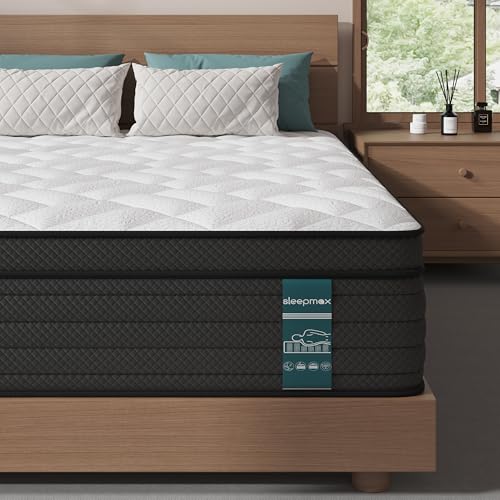
Sleepmax Queen Mattress 14 Inch - Luxury Deep Sleep Hybrid Mattress Pressure Relief - Cooling Bed in a Box for Back & Side Sleepers - 365-Night Trial, Forever Warranty, Fiberglass-Free
PAIN RELIEF & MOTION ISOLATION – Combining the supportive benefits of coils with the softness of premium foam,...
As an affiliate, we earn on qualifying purchases.
Frequently Asked Questions
How Does Emotional Availability Differ From Emotional Intelligence?
Emotional availability focuses on your ability to openly express feelings and develop vulnerability in relationships, fostering deeper connections. In contrast, emotional intelligence involves recognizing, understanding, and managing your own emotions plus empathizing with others. You actively work on emotional expression and vulnerability development to become more available emotionally, which enhances intimacy. While emotional intelligence is about understanding emotions, emotional availability emphasizes openly sharing and being receptive to emotional exchange.
Can Emotional Availability Change Over Time?
Yes, emotional availability can change over time, like a river shifting its course. By building emotional resilience and understanding your attachment styles, you open new channels for connection. You can deepen your capacity for intimacy, flowing past old barriers. With effort and awareness, you reshape your emotional landscape, allowing yourself to become more open and available, transforming how you relate to others and yourself.
What Role Does Childhood Experience Play in Emotional Availability?
Your childhood experiences, especially childhood attachment and parental influence, play a significant role in shaping your emotional availability. If you had secure attachments, you’re more likely to be open to intimacy now. Conversely, inconsistent or neglectful parenting can make you hesitant or guarded. Recognizing these patterns helps you understand your current emotional responses and work toward becoming more emotionally available in your relationships.
How Can I Improve My Emotional Availability in Relationships?
To improve your emotional availability, start by practicing emotional vulnerability. Share your feelings honestly with your partner and listen actively to theirs. Build trust by being reliable and consistent, showing that you can be counted on. As you open up, you’ll strengthen trust development, making it easier to connect deeply. Over time, this openness fosters intimacy, helping you feel more secure and truly present in your relationships.
Is Emotional Availability the Same Across All Cultures?
Is emotional availability the same across all cultures? Think of it like a tapestry—richly woven with different cultural expressions and emotional norms. While the core idea of openness exists, how it’s shown varies widely. Some cultures value direct emotional sharing, others prioritize restraint. So, your level of emotional availability might look different depending on cultural expectations, but the desire for connection remains universal.

Signature Design by Ashley Chime 12 Inch Hybrid Full Mattress, Memory Foam with Lumbar Support, High-Density Foam & Pocketed Coils for Comfort & Back Support, Mattress in a Box, Full Size
FULL HYBRID MATTRESS: Enjoy endless possibilities for restful sleep with this hybrid innerspring full mattress. Feel the support...
As an affiliate, we earn on qualifying purchases.
Conclusion
Being emotionally available means truly opening yourself up to intimacy and connection. It’s about being honest with your feelings and willing to share them, even when it’s uncomfortable. Are you ready to let go of barriers and embrace genuine closeness? Remember, vulnerability isn’t a weakness — it’s the key to deeper, more meaningful relationships. So, are you willing to take that step and become more emotionally available today? The choice is yours.
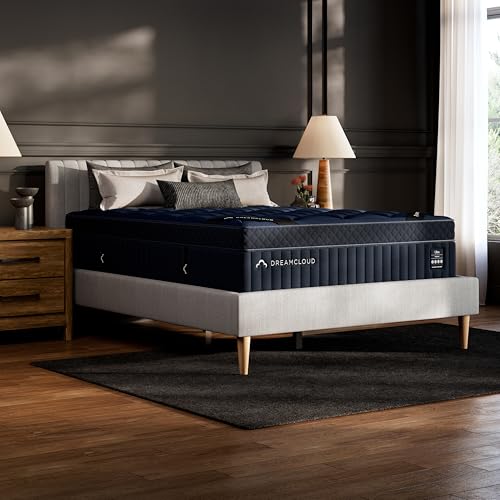
DreamCloud Ultra 15" King Mattress - Luxury Hybrid Gel Memory Foam - 365 Night Trial - Back Pain Relief - Fiberglass Free - Forever Warranty - Mattress in a Box - CertiPUR-US® Certified
CloudQuilt(TM) TOP- A quilted top creates a soft, luxurious sleep surface. Cooling fibers woven into the cover help...
As an affiliate, we earn on qualifying purchases.

Linenspa 10 Inch Memory Foam and Spring Hybrid Mattress - Medium Feel - Bed in a Box - Quality Comfort and Adaptive Support - Breathable - Cooling - Perfect for a Guest Bedroom - Twin Size
HYBRID COMFORT – Combines memory foam and innerspring coils for contouring support and lasting comfort, ideal for any...
As an affiliate, we earn on qualifying purchases.