

If you can’t stop cheating, it might be an affair addiction, a compulsive pattern driven by emotional triggers like loneliness, low self-esteem, or dissatisfaction. You may seek outside validation or escape stress, escalating from flirtation to serious betrayals. This cycle damages trust and deepens emotional disconnection. Recognizing these underlying issues is key to breaking free. Continue exploring to uncover ways to address this cycle and find healthier paths forward.
Key Takeaways
- Affair addiction is driven by emotional triggers like loneliness, low self-esteem, and relationship dissatisfaction, fueling compulsive cheating behaviors.
- It often begins with seeking validation and emotional escape, escalating from flirtation to serious betrayals over time.
- The cycle includes temporary self-esteem boosts, guilt, and anxiety, which reinforce ongoing infidelity as a coping mechanism.
- Emotional infidelity erodes trust, damages self-esteem, and deepens relationship disconnection, making recovery complex.
- Healing requires honest self-reflection, addressing underlying emotional needs, and professional support to break the cycle.

While cheating might seem like a fleeting thrill, for some people, it becomes a compulsive behavior known as affair addiction. You might start chasing the rush of new connections, but over time, it transforms into something much deeper and harder to control. Affair addiction often involves emotional infidelity—an intense emotional bond that surpasses casual flirtation or physical encounters. This emotional infidelity feeds the addictive cycle because it provides a temporary escape from real-life problems or dissatisfaction. You might find yourself craving these secret connections, convinced they’re the only way to feel alive or valued. As the pattern continues, it’s no longer about the thrill but about avoiding confrontation with underlying issues such as loneliness, low self-esteem, or relationship dissatisfaction.
Affair addiction involves emotional infidelity that masks underlying loneliness, low self-esteem, and relationship dissatisfaction.
Compulsive cheating becomes a relentless cycle that’s difficult to break. You might justify your actions as harmless or necessary, but beneath that lies a compulsive need that’s driven by emotional triggers rather than rational choices. The emotional infidelity becomes a form of coping—an unhealthy way to deal with stress, boredom, or emotional pain. You may find yourself repeatedly seeking validation from others outside your primary relationship, even when you know it’s wrong. This behavior often escalates beyond casual flirtation to more significant betrayals, creating a tangled web of secrecy and guilt. Despite knowing the damage it causes, you may feel powerless to stop, caught in the grip of compulsive cheating.
The cycle of affair addiction can be self-perpetuating. Each new affair temporarily boosts your self-esteem and provides a sense of excitement, but it’s always followed by guilt and anxiety. These feelings can push you to seek another affair, perpetuating the addiction. Over time, this pattern can erode trust in your primary relationship and damage your sense of self. You might convince yourself that emotional infidelity isn’t as harmful as physical cheating, but in reality, both forms deeply undermine intimacy and honesty. The emotional component often makes the addiction even harder to recognize and confront because it appears less tangible than physical acts.
Breaking free from affair addiction requires honest self-reflection and often professional support. Acknowledging the compulsive nature of your cheating is the first step toward healing. Without addressing the emotional roots—such as unmet needs or unresolved issues—you risk falling into the cycle again. Recognizing that emotional infidelity fuels compulsive cheating helps you understand why it’s so hard to stop. It’s not just about avoiding consequences; it’s about confronting emotional vulnerabilities that drive your behavior. Only then can you begin to rebuild trust, both in yourself and your relationships, and find healthier ways to cope with emotional pain or dissatisfaction.

Worthy of Her Trust: What You Need to Do to Rebuild Sexual Integrity and Win Her Back
As an affiliate, we earn on qualifying purchases.
As an affiliate, we earn on qualifying purchases.
Frequently Asked Questions
Can Affair Addiction Be Cured Without Therapy?
Yes, affair addiction can sometimes improve without therapy, but it’s challenging. You need to address emotional dependence and strengthen impulse control on your own. Focus on building self-awareness, practicing mindfulness, and developing healthier habits. Recognize triggers that lead to cheating and find alternative ways to cope with emotional needs. However, professional help often offers essential guidance and support, increasing your chances of overcoming the addiction successfully.
What Are the Early Signs of Affair Addiction?
Like a moth drawn to a flame, early signs of affair addiction include emotional dependency on others and an irresistible urge to seek new connections. You might notice risk factors such as secretive behaviors, frequent flirting, or justifying questionable actions. These signs suggest you’re struggling with compulsive tendencies. Recognizing them early helps you address underlying issues before the cycle deepens, giving you a chance to regain control and foster healthier relationships.
How Does Affair Addiction Impact Children?
You might not realize it, but affair addiction can seriously impact children, creating parenting challenges and emotional turmoil. Children may feel confused, insecure, or betrayed, which hampers their emotional resilience. As a parent, your struggles with fidelity can lead to inconsistent discipline or emotional withdrawal, affecting your child’s sense of stability. Addressing your addiction helps rebuild trust, providing a healthier environment for your children’s development and strengthening their emotional resilience.
Is Affair Addiction Linked to Other Mental Health Issues?
You might be surprised to learn that studies show 60% of individuals with affair addiction also struggle with emotional dependency. This link suggests affair addiction often ties into other mental health issues, affecting relationship stability. When someone becomes emotionally dependent, they’re more prone to compulsive cheating. Recognizing these connections helps you address underlying problems, promoting healthier relationships and mental well-being.
Can Affair Addiction Develop Suddenly or Is It Gradual?
Affair addiction can develop suddenly or gradually, depending on your emotional triggers and relationship dynamics. Sometimes, a specific event or emotional distress sparks a sudden urge to cheat, while ongoing unresolved issues build over time, leading to a gradual pattern. You might notice shifts in your behavior or feelings, which signal that underlying relationship dynamics or emotional triggers are at play, influencing the development of affair addiction.

Couples Therapy Workbook: Strategies to Connect, Restore Love and Trust, Improve Communication Intimacy and Validation: A Relationship Workbook for Couples
As an affiliate, we earn on qualifying purchases.
As an affiliate, we earn on qualifying purchases.
Conclusion
Remember, even the most vibrant tapestries can develop subtle tears. If you find yourself repeatedly wandering off the well-trodden path, it might be time to pause and reflect. Healing doesn’t mean erasing the past but gently weaving new threads of honesty and trust. With patience and support, you can restore the fabric of your relationships. Sometimes, the most beautiful stories are written after learning how to mend the delicate areas with care and understanding.

28-Day Emotional Healing Guided Journal: Letting Go of the Past and Embracing Positive Transformation
As an affiliate, we earn on qualifying purchases.
As an affiliate, we earn on qualifying purchases.
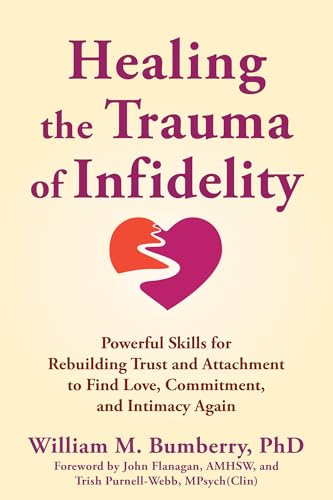
Healing the Trauma of Infidelity: Powerful Skills for Rebuilding Trust and Attachment to Find Love, Commitment, and Intimacy Again
As an affiliate, we earn on qualifying purchases.
As an affiliate, we earn on qualifying purchases.