

Yes, trust can be rebuilt after infidelity, but it takes time, effort, and commitment from both of you. You’ll need to work through feelings of hurt and betrayal, embracing honest communication and emotional healing. Small, consistent actions help rebuild emotional closeness and security. Challenges are normal, but with patience, persistence, and possibly professional support, you can restore your connection. Staying committed to the process increases your chances of healing and moving forward together.
Key Takeaways
- Rebuilding trust requires mutual willingness to work through pain and a gradual, honest effort over time.
- Emotional healing involves confronting feelings, understanding causes of betrayal, and forgiving without forgetting.
- Restoring intimacy depends on open communication, vulnerability, and consistent actions that demonstrate commitment.
- Professional counseling can facilitate healing, improve communication, and address underlying issues effectively.
- Patience, persistence, and small, sincere efforts are essential to mend emotional gaps and rebuild trust.

Is it possible to rebuild trust and stay together after one partner has committed adultery? The answer depends on both of you and your willingness to work through the pain and betrayal. Trust doesn’t just reappear overnight; it’s built gradually through honest effort, patience, and emotional healing. When you’re faced with infidelity, it’s natural to feel hurt, angry, and distrustful. But if you genuinely want to stay together, you need to focus on healing the emotional wounds that adultery has created. This process of emotional healing involves confronting your feelings, understanding what led to the betrayal, and forgiving—not necessarily forgetting—the hurt. It’s about reclaiming your sense of security and reconnecting on a deeper level.
Rebuilding intimacy is a vital part of this journey. It’s more than just physical closeness; it’s about restoring emotional closeness and vulnerability. You have to create a safe space where both of you can express your fears, regrets, and hopes without judgment. This means open communication, active listening, and patience. Rebuilding intimacy also involves small, consistent actions that demonstrate commitment and sincerity—like honest conversations, acts of kindness, and shared experiences that foster connection. Over time, these efforts can help mend the emotional gap that infidelity has widened. Additionally, understanding the importance of newborn sleep patterns and routines can contribute to creating a more stable and peaceful environment at home, supporting both emotional and physical well-being.
It’s important to acknowledge that the process isn’t linear. There will be setbacks, moments of doubt, and emotional setbacks. That’s normal. What matters is your dedication to working through those challenges together. Seeking counseling, either individually or as a couple, can provide a safe environment to process feelings and develop strategies for rebuilding trust. Professional guidance can help you both understand underlying issues that may have contributed to the betrayal and develop healthier ways to communicate and connect.

Rebuilding Trust: Guided Therapy Techniques and Activities to Restore Love, Trust, and Intimacy in Your Relationship
As an affiliate, we earn on qualifying purchases.
As an affiliate, we earn on qualifying purchases.
Frequently Asked Questions
How Long Does It Typically Take to Rebuild Trust After Infidelity?
Rebuilding trust after infidelity varies, but emotional healing and the forgiveness process typically take months to years. You’ll need patience and consistent effort from both of you. Trust begins to restore when honest communication and accountability happen regularly. Remember, there’s no fixed timeline—focus on progress, not perfection. Your commitment to transparency and understanding helps accelerate healing, allowing trust to gradually grow stronger over time.
Can Couples Fully Recover Emotionally From an Affair?
Yes, you can fully recover emotionally from an affair. While the emotional healing process varies, it’s possible to rebuild a stronger relationship through open communication, patience, and mutual effort. Forgiveness plays a crucial role, but it doesn’t happen overnight. Committing to the forgiveness process helps both partners heal, regain trust, and move forward. With time and dedication, full emotional recovery is achievable, leading to deeper understanding and renewed intimacy.
What Are the Signs That Trust Is Beginning to Return?
Think of trust as a fragile seed beginning to sprout. You’ll notice emotional openness blooming, where both of you share feelings without fear, and consistent honesty becomes the sunlight nurturing growth. When your partner openly admits mistakes and listens without defensiveness, trust is returning. Small, genuine gestures—like eye contact or supportive words—signal progress, showing that the foundation of honesty is strengthening and the emotional connection is slowly healing.
Is Therapy Necessary for Rebuilding After Adultery?
Yes, therapy can be vital for rebuilding after adultery. It helps you both focus on emotional healing and improve communication skills, which are fundamental for restoring trust. A professional can guide you through the complex feelings involved, facilitate honest conversations, and create a safe space to address underlying issues. Engaging in therapy shows commitment to healing and increases your chances of rebuilding a strong, trusting relationship.
How Do I Know if My Partner Is Truly Remorseful?
You’ll notice if your partner is truly remorseful when they show emotional honesty, openly taking responsibility without defensiveness. Their actions should align with their words, demonstrating consistent efforts to rebuild trust. Genuine remorse involves more than regret; it’s a sincere desire to make amends and change. Watch for their willingness to be transparent and to listen to your feelings, proving they genuinely care about healing the hurt they’ve caused.
Rebuilding Trust: Guided Therapy Techniques and Activities to Restore Love, Trust, and Intimacy in Your Relationship
As an affiliate, we earn on qualifying purchases.
As an affiliate, we earn on qualifying purchases.
Conclusion
Rebuilding trust after adultery isn’t easy, but it’s possible if both of you are willing to put in the effort. Remember, it takes time and patience to heal wounds and restore what’s been broken. Keep communication open and stay committed to the process. Don’t forget, Rome wasn’t built in a day—trust won’t be restored overnight. With honesty and dedication, you can turn a new page and find your way back together.
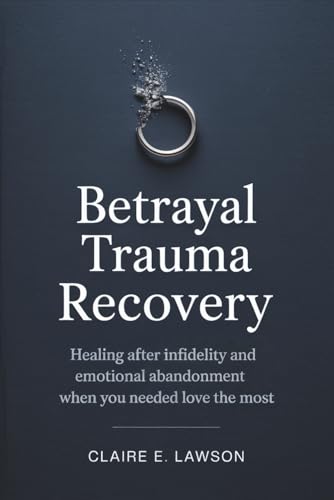
Betrayal Trauma Recovery: Healing After Infidelity and Emotional Abandonment When You Needed Love the Most
As an affiliate, we earn on qualifying purchases.
As an affiliate, we earn on qualifying purchases.