

If you’re blackmailed over an affair, it’s important to understand that extortion is illegal and shouldn’t control your actions. Blackmailers exploit your shame and fear, often threatening to reveal your secret unless you meet their demands. Don’t negotiate or confront them alone—gather evidence and seek help from authorities or legal experts. Understanding your rights is vital. Stay aware—exploring your options further can help you regain control and protect yourself from ongoing threats.
Key Takeaways
- Blackmail over adultery exploits guilt and shame to threaten victims into silence or compliance.
- Victims should avoid negotiating and instead gather evidence of the blackmail for legal use.
- Reporting blackmail to authorities is crucial, as extortion is illegal and punishable by law.
- Seek legal advice and support from trusted individuals to understand rights and develop a protection plan.
- Recognizing blackmail as a crime empowers victims to take control and seek professional assistance.
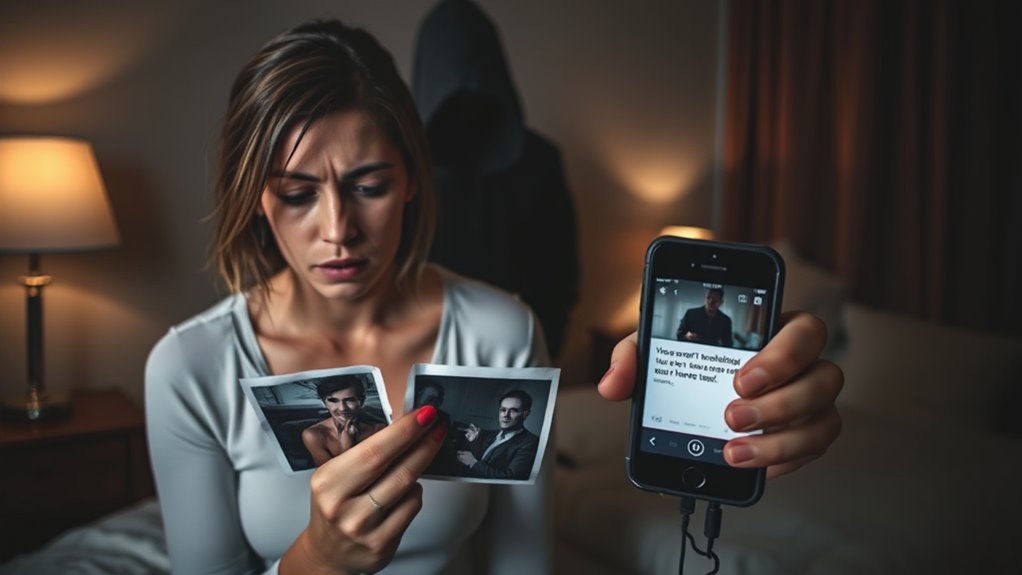
When someone discovers your secret affair, they might exploit it to manipulate or threaten you. Blackmail over adultery is a devastating situation that can turn your life upside down in an instant. The person holding the threat often uses emotional manipulation to keep you from coming clean or seeking help. They might play on feelings of shame, guilt, or fear, making you believe that revealing the truth will ruin everything you’ve worked for. This emotional leverage makes it difficult to think clearly and can lead you into a state of panic or paralysis. You may find yourself agreeing to their demands, even if those demands are unreasonable or harmful, simply to avoid exposure or shame.
However, it’s essential to understand that blackmail isn’t just emotionally damaging—it also has serious legal consequences. Threatening to reveal private information or using that information to extort money or favors is illegal in many jurisdictions. If you’re being blackmailed, you shouldn’t feel powerless. Instead, seek legal advice immediately. Law enforcement agencies take blackmail seriously because it’s a form of extortion that infringes on your rights and safety. By involving authorities, you can build a case against the blackmailer and protect yourself from further harm. Remember, the blackmailer’s threats don’t have to control your actions. You have options, and legal channels exist to help you break free from their hold.
Blackmail is a serious crime; seek legal help to protect yourself and break free from extortion.
It’s also important to recognize that confronting a blackmailer on your own can be dangerous, especially if they’ve already shown a willingness to threaten or intimidate you. Do not attempt to negotiate or reason with them directly. Instead, gather evidence—texts, emails, recordings—that can support your case when you report the crime. Keeping a record can be invaluable for law enforcement and legal proceedings. Additionally, confiding in trusted friends or family members can provide emotional support and help you navigate the situation more safely.
Seeking legal assistance is a critical step, especially when dealing with blackmail, as it ensures you understand your rights and the best course of action. Ultimately, the key is to remember that blackmail is a crime, and you’re not alone in facing it. Protect yourself by understanding your legal rights and seeking professional help. Don’t let emotional manipulation dictate your decisions or silence your voice. Facing blackmail over adultery is tough, but with the right support and legal action, you can break free from the blackmailer’s grip and restore control over your life.
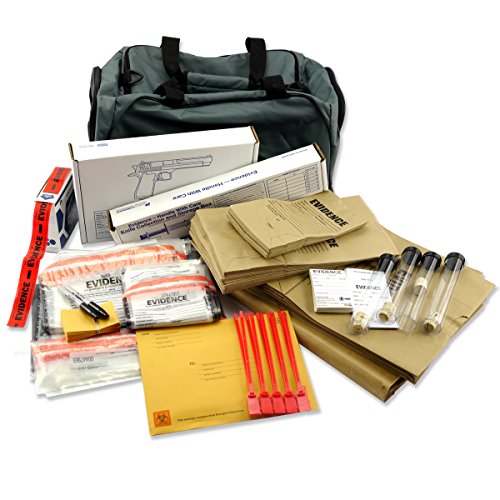
Evidence Packaging Kit
Sturdy black expandable bag
As an affiliate, we earn on qualifying purchases.
As an affiliate, we earn on qualifying purchases.
Frequently Asked Questions
Can Blackmailers Be Prosecuted Legally?
Yes, blackmailers can be prosecuted legally. Law enforcement treats blackmail as a criminal offense, and victims can pursue criminal charges against them. You might also explore legal defenses if applicable, but it’s essential to gather evidence of the extortion. Reporting the blackmail promptly helps authorities investigate and potentially prosecute the offender, ensuring your rights are protected under the law.
How Common Is Extortion Related to Adultery?
It’s a needle in a haystack, but extortion related to adultery does happen. While infidelity statistics show many cheat, only a small fraction face blackmail or extortion patterns. You might think it’s rare, but it’s more common than you believe, especially with digital footprints. People often underestimate the power of secrets, making blackmail an insidious threat. Stay vigilant and protect your privacy to avoid becoming a target.
What Are the Psychological Effects of Blackmail?
You may experience intense emotional trauma, feeling overwhelmed and anxious as the blackmailer manipulates your fears. Trust issues can develop, making it hard to believe others or rebuild relationships. The constant fear of exposure or punishment keeps you on edge, affecting your mental health. This stress can lead to depression, insomnia, and feelings of shame, leaving you emotionally drained and struggling to regain a sense of control over your life.
Are There Support Groups for Victims of Blackmail?
Yes, there are support groups for victims of blackmail, often offering anonymous support and victim counseling. These groups help you share experiences, gain emotional support, and develop strategies to cope. Investigating these resources shows they’re effective in providing a safe space for healing. You can find online communities or local organizations dedicated to helping victims navigate the trauma, ensuring you don’t face this alone.
How Can One Prevent Blackmail Over Infidelity?
To prevent blackmail over infidelity, you should prioritize trust recovery and maintain strict confidentiality measures. Be honest with your partner, address issues openly, and rebuild trust over time. Keep sensitive information private, avoid sharing details that could be used against you, and consider secure communication methods. These steps can help protect your privacy, reduce vulnerability to extortion, and foster a healthier relationship environment.

KOSIN Personal Safety Alarm, 6 Pack 140DB Personal Security Alarm Keychain with LED Lights, Emergency Safety Alarm for Women, Men, Children, Elderly
140db Safe Sound Personal Alarm: The emergency alarm can make a loud sound to draw attention to protect…
As an affiliate, we earn on qualifying purchases.
As an affiliate, we earn on qualifying purchases.
Conclusion
So, next time you think about hiding an affair, consider this: some experts believe blackmailers thrive on secrets like yours, banking on your fear and shame. While not everyone falls prey, the risk of extortion is real, and the truth might be more sinister than you realize. Stay honest, stay safe—because secrets can cost far more than you ever imagined, and the truth could be your best defense against blackmail.
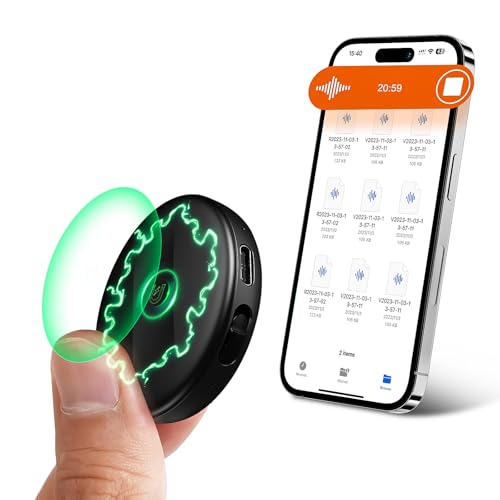
64GB(4800Hours) Magnetic Voice Activated Recorder – Digital Voice Recorder with DSP 5.0 AI-Intelligent Noise Cancellation, Smart Tap Recording Device Portable for Lectures Meetings Interviews Classes
【64GB Large Memory – 74Hrs Long Battery Life】Boasting a massive 64GB storage (up to 4800 hours of audio)…
As an affiliate, we earn on qualifying purchases.
As an affiliate, we earn on qualifying purchases.

SABRE Pepper Spray – Quick Release Keychain for Easy Carry & Fast Access, Max Police Strength Self Defense OC Spray With UV Dye, 10 Sec. Spray Time, Finger Grip – Faster Aim, 0.54 fl oz, Secure Safety
TRUST THE PROFESSIONALS: SABRE is the #1 Pepper Spray brand trusted by police and consumers worldwide, including New…
As an affiliate, we earn on qualifying purchases.
As an affiliate, we earn on qualifying purchases.