

A sudden spike in desire after betrayal often hides emotional triggers like vulnerability and the need for reassurance. When you reconnect honestly and create a safe space, your partner might experience passion re awakening unexpectedly. This reaction can be driven by longing for closeness or validation amidst healing. It’s essential to recognize these moments as signs of emotional safety returning. Curiosity about what lies beneath this heightened desire can help you understand these powerful, surprising shifts better.
Key Takeaways
- High desire post-betrayal may signal a need for reassurance and emotional closeness.
- Unexpected spikes in desire often occur during moments of vulnerability or honest connection.
- Desire can reemerge as a response to emotional safety, not just physical attraction.
- Feelings of longing might be driven by a craving for validation and trust rebuilding.
- Sudden desire increases can be an unconscious attempt to restore intimacy and repair the relationship.

When trust is shattered by betrayal, reigniting desire in your partner can seem impossible, but it’s not. You might feel as if the emotional wounds are too deep, and that desire has vanished forever. However, understanding that emotional healing and trust rebuilding are ongoing processes can give you hope. Sometimes, the very act of working through pain and vulnerability can unexpectedly awaken a renewed passion. A high desire partner after betrayal is often a sign of their complex emotional response—one that can fluctuate wildly, driven by a mix of hurt, longing, and the need for reassurance. Recognizing this as part of the healing journey helps you see that desire isn’t gone; it’s just temporarily overshadowed by doubt and disappointment.
Trust may be broken, but desire can reawaken through patience, vulnerability, and emotional healing.
You need to acknowledge that trust rebuilding takes time. Your partner’s desire may suddenly spike—perhaps after a significant conversation or a moment of genuine connection—because these moments serve as emotional catalysts. They remind both of you that intimacy isn’t solely physical but also rooted in emotional safety. When you foster open, honest communication, you create a space where your partner feels safe enough to express their feelings and fears. This safety, in turn, can trigger a renewed sense of desire—proof that trust is gradually being restored. It’s essential to be patient and not push for immediate results, as rebuilding trust often involves small, consistent steps that chip away at the damage. Recognizing that emotional safety plays a fundamental role in desire helps you appreciate how creating a secure environment can foster renewed intimacy. Additionally, understanding that emotional responses may be influenced by complex feelings related to betrayal can help you approach the situation with empathy and patience.
Sometimes, the high desire you notice in your partner is their way of seeking closeness after feeling vulnerable or hurt. It’s a paradox—you might think that betrayal would dampen desire, but for some, it can intensify their longing for connection. This heightened desire is a sign that they’re craving reassurance and intimacy more than ever. It’s crucial to approach this with sensitivity, understanding that their desire is intertwined with their emotional healing process. Recognizing that psychology shows desire can be affected by complex emotional responses helps you see how emotional safety and trust are essential for genuine connection. Creating a safe environment can help your partner feel validated and understood, encouraging their desire to surface naturally rather than reactively. Additionally, understanding that color accuracy impacts overall image quality can remind you that subtle, consistent efforts to rebuild trust are key to restoring the emotional clarity needed for desire to flourish. Recognizing the importance of biosensors and wearable tech can also support your efforts by providing insights into emotional states, which can aid in understanding and responding to your partner’s feelings more effectively. Rather than viewing their high desire as a threat or a sign of unresolved issues, see it as an opportunity to deepen your bond. Engage in activities that rebuild trust, like heartfelt conversations or shared experiences, which reinforce the emotional foundation necessary for genuine desire to flourish again.
In the end, a high desire partner after betrayal isn’t just about rekindling physical attraction; it’s a reflection of the complex, often unpredictable, process of emotional healing and trust rebuilding. Recognize the signals, be patient, and focus on creating a safe space for your partner’s feelings to surface. When you do, you’ll find that desire can re-emerge in unexpected ways, transforming pain into a renewed connection that’s even stronger than before.
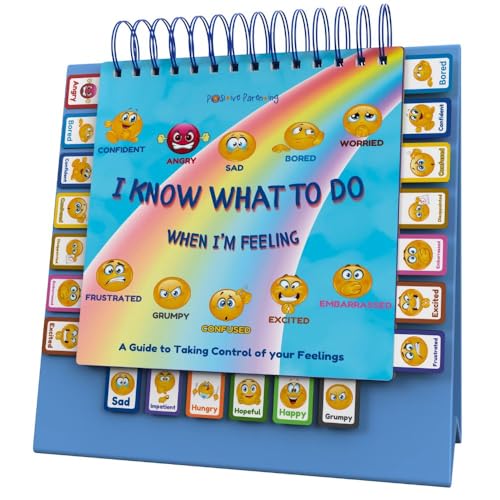
Thought-Spot I Know What to Do Flipbook | Emotions Wheel & Feelings Chart | Emotional Regulation Tool for Home, Class, or Calm Down Corner | Helps Kids Learn Coping Skills | Autism Must-Have
- Emotion Recognition for Kids: Helps children identify and name feelings
- Builds Emotional Vocabulary: Enhances communication and social skills
- Coping Strategies Included: Provides calming and self-regulation ideas
As an affiliate, we earn on qualifying purchases.
As an affiliate, we earn on qualifying purchases.
Frequently Asked Questions
How Long Does It Take to Rebuild Desire After Betrayal?
Rebuilding desire after betrayal varies, but emotional healing and trust rebuilding are key steps. It might take months or even longer, depending on your healing pace and the effort invested. You need to be patient, communicate openly, and focus on restoring trust. As trust begins to rebuild, desire can gradually return. Remember, healing isn’t linear, so give yourself grace and time to process and reconnect emotionally.
Can Therapy Help Restore Intimacy Post-Betrayal?
Yes, therapy can definitely help restore intimacy after betrayal. It creates a safe space for emotional healing and guides you through trust rebuilding. A therapist helps you process feelings, understand underlying issues, and develop healthier communication. With consistent effort, therapy supports both partners in rebuilding connection and intimacy, making it easier to move forward together. This process can reignite desire and deepen your bond over time.
Is Increased Desire a Sign of Unresolved Guilt?
Yes, increased desire can be a sign of unresolved guilt. It’s ironic how guilt manifestation often drives you to seek emotional rebound, masking underlying remorse. Instead of addressing the real issues, you might chase fleeting intimacy, thinking it’ll fill the void. Be aware that this heightened desire isn’t just about attraction; it’s a subconscious attempt to soothe guilt, which can complicate healing and obscure genuine connection.
How Do I Differentiate Between Genuine Desire and Rebound Feelings?
You can differentiate between genuine desire and rebound feelings by evaluating your emotional readiness and trust rebuilding. Genuine desire develops gradually, driven by authentic connection, while rebound feelings often feel impulsive and fleeting. Pay attention to whether your feelings persist over time and if you’re open to deepening the relationship. If you’re patient and focus on rebuilding trust, you’ll better understand if your desire is sincere or just a temporary response.
What Are Signs My Partner’s Desire Is Authentic?
You can tell your partner’s desire is authentic if they show consistent effort in rebuilding trust and openly share their emotional vulnerability. Genuine desire involves patience, transparency, and a willingness to work through past hurts, not just fleeting attraction. Their actions align with their words, and they prioritize emotional connection, demonstrating they truly care beyond surface-level feelings. This sincerity helps deepen your relationship and rebuilds the foundation of trust.

Emotional Intimacy for Couples: Communication Skills, Trust-Building Habits, and Practical Tools to Deepen Connection and Strengthen Your Relationship
As an affiliate, we earn on qualifying purchases.
As an affiliate, we earn on qualifying purchases.
Conclusion
Think of rebuilding trust after betrayal as tending a fragile garden. At first, every step feels uncertain, and even a single gust can threaten new shoots. But with patience and care, those tender sprouts begin to push through the soil, reaching for the sun. Your desire for connection is the sunlight, fueling growth even in the darkest moments. Keep nurturing, and soon, what once seemed broken can bloom into a resilient, vibrant new beginning.

BestSelf Relationship Journals – 13-Week Guided Workbook, Him & Her Set
- Couples Therapy Journal: Explore questions and exercises together
- Deepen Relationship Bonds: Enhance communication and intimacy
- Improve Communication Skills: Foster trust and understanding
As an affiliate, we earn on qualifying purchases.
As an affiliate, we earn on qualifying purchases.
Emotional Safety Workbook for Couples: 100+ Guided Exercises to Reduce Defensiveness and Build Trust
As an affiliate, we earn on qualifying purchases.
As an affiliate, we earn on qualifying purchases.