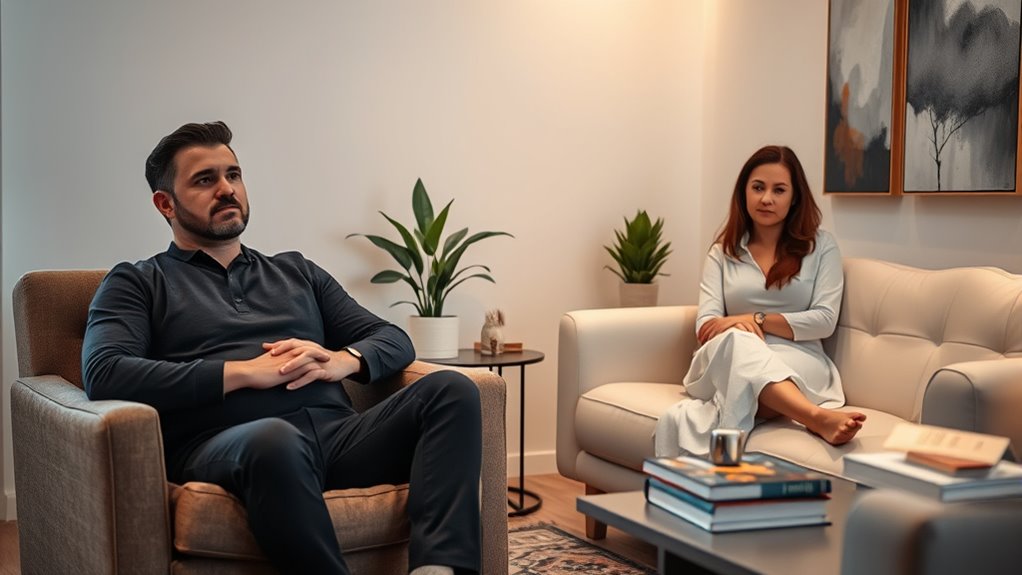

Understanding how gender influences adultery recovery can help you navigate the process more effectively. Men often suppress feelings and avoid emotional discussions, while women tend to be more open about their vulnerability and seek emotional connection. These differences can create barriers to honest communication and trust rebuilding. Recognizing and respecting each other’s emotional styles can foster empathy and support healing. If you want to learn how to bridge these gaps, you’ll find valuable insights ahead.

Get gifts for the two of you delivered free with Prime
- Fast, free delivery on millions of items
- Prime Video, Amazon Music and more included
- Member-only deals all year
Key Takeaways
- Men tend to suppress emotions and avoid discussing betrayal, while women are more open to sharing feelings and seeking emotional support.
- Communication styles differ, with men often guarded or direct, and women seeking emotional connection through dialogue.
- Societal norms can pressure men to internalize pain and view vulnerability as weakness, affecting their healing process.
- Creating safe spaces for emotional expression aids men’s recovery, whereas encouraging honest conversations benefits women’s trust rebuilding.
- Recognizing these gender-based differences promotes empathy, facilitating more effective and compassionate adultery recovery.
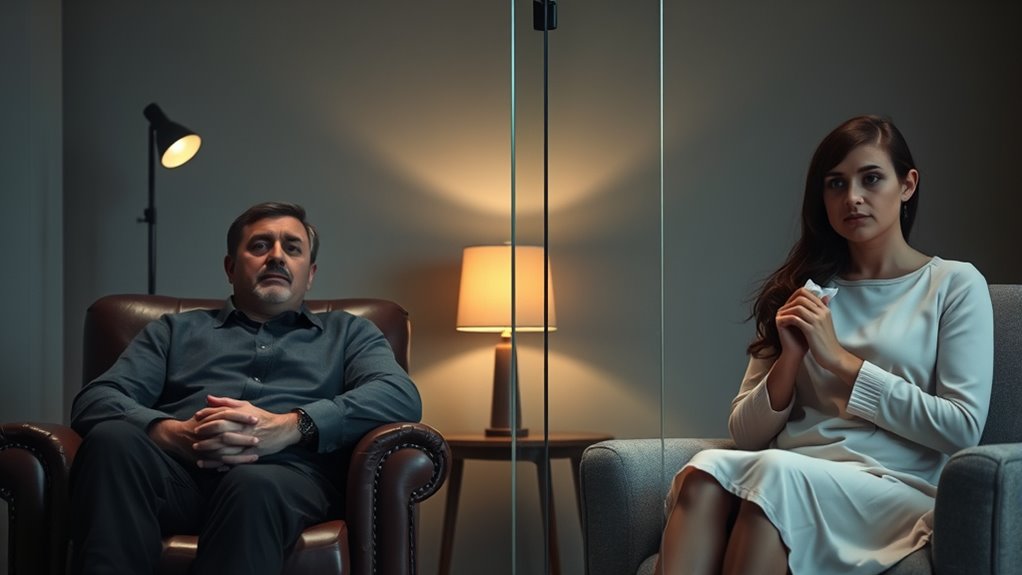
When it comes to recovering from adultery, gender often plays a significant role in how individuals process and navigate the healing journey. You might notice that men and women tend to experience and express emotional responses differently, which can influence their approach to healing. Men often suppress their feelings, preferring to appear strong and composed, even when they’re hurting deeply. This tendency can make it difficult for them to openly share their pain or seek emotional support. Conversely, women are generally more comfortable expressing vulnerability and discussing their feelings, which can facilitate emotional processing but also lead to feeling overwhelmed at times.
Your communication style is another factor shaped by gender, affecting how you handle conversations about the betrayal. Men may adopt a more direct or guarded approach, sometimes avoiding difficult discussions altogether or disengaging to protect themselves from emotional pain. This can create barriers to honest dialogue and make it harder for both partners to understand each other’s perspectives. Women, on the other hand, are often more receptive and enthusiastic to talk through their feelings, seeking emotional connection and validation. They might be more expressive and keen to discuss the affair, which can foster intimacy but also sometimes lead to heightened conflict if not managed carefully.
Understanding these differences helps you realize that your emotional responses and communication styles aren’t just personal traits—they are influenced by societal expectations and gender norms. For example, a man might feel pressured to internalize his pain because expressing vulnerability is seen as a sign of weakness, whereas a woman might feel the need to verbalize her hurt to seek reassurance. Recognizing these tendencies allows you to approach the healing process with more compassion, both for yourself and your partner.
If you’re trying to rebuild trust, acknowledging these gender-based differences can improve how you communicate and connect. For men, creating a safe space for emotional expression may require patience and encouragement. For women, giving space for honest conversations without judgment can foster healing. Ultimately, understanding that your emotional responses and communication styles are shaped by gender can help you navigate the complexities of adultery recovery more effectively. It encourages empathy, reduces misunderstandings, and promotes a healthier, more supportive healing environment. Recognizing the importance of holistic SEO strategies and content relevance in your approach can also enhance your overall healing journey by fostering understanding and connection. Remember, healing isn’t a one-size-fits-all process, and recognizing these nuanced differences can make all the difference in your journey toward recovery.
emotional support books for infidelity recovery
As an affiliate, we earn on qualifying purchases.
As an affiliate, we earn on qualifying purchases.
Frequently Asked Questions
Do Men or Women Tend to Forgive Faster After Infidelity?
You might find that women tend to forgive faster after infidelity, as they often prioritize emotional healing and seek closure sooner. Men, on the other hand, may take longer due to different emotional processing styles. Your forgiveness speed depends on personal circumstances, emotional resilience, and communication. Focus on honest conversations and patience to foster emotional healing, regardless of gender, to rebuild trust and move forward in your relationship.
How Does Childhood Upbringing Influence Gender Differences in Recovery?
Your childhood upbringing plays a significant role in how you recover from infidelity, influenced largely by parental influence and emotional development. If your parents modeled open communication and emotional resilience, you’re more likely to process betrayal healthily and forgive faster. Conversely, a childhood marked by emotional neglect or strict discipline may hinder your recovery, making it harder to trust again. Your early experiences shape your ability to navigate and heal from such wounds.
Are There Specific Therapy Methods More Effective for Men or Women?
Think of therapy approaches like keys to unlatching healing; some fit better depending on gender. You may find that gender-specific strategies resonate more deeply, helping men process emotions differently than women. Tailored approaches, like cognitive-behavioral therapy for men or emotion-focused therapy for women, often prove more effective. By embracing these personalized methods, you increase your chances of healing and moving forward with clarity and strength.
What Role Does Social Stigma Play Differently for Men and Women?
Social stigma impacts men and women differently, shaping how they seek and receive support. You might find that gender stereotypes influence your feelings of shame or vulnerability, making social acceptance harder to attain for women due to expectations of emotional strength. Men often face judgment about masculinity, which can hinder openness. Recognizing these differences helps you better understand your emotional journey and seek acceptance without feeling constrained by societal norms.
How Does Emotional Resilience Impact Recovery Outcomes Across Genders?
Imagine a storm clearing to reveal a calm sky—that’s how emotional resilience influences recovery. Your emotional adaptability helps you navigate setbacks, while resilience training strengthens your capacity to bounce back. Across genders, those who develop these skills recover more effectively, feeling more in control and hopeful. Building emotional resilience empowers you to handle pain, rebuild trust, and move forward with confidence, regardless of gender.
couples counseling books for trust rebuilding
As an affiliate, we earn on qualifying purchases.
As an affiliate, we earn on qualifying purchases.
Conclusion
As you navigate the path of healing, remember that gender is like a compass—guiding your journey but not defining your destination. Whether you’re a man or woman, embrace the dawn after a long night, symbolizing hope and renewal. Your scars are the map of resilience, leading you toward forgiveness and trust. Trust in your inner light to shine through the shadows, illuminating a future where love can blossom anew, stronger and more authentic than ever.
safe space communication tools for couples
As an affiliate, we earn on qualifying purchases.
As an affiliate, we earn on qualifying purchases.
As an affiliate, we earn on qualifying purchases.
Columbus Day / Indigenous Peoples' Day Picks
long weekend sales
As an affiliate, we earn on qualifying purchases.