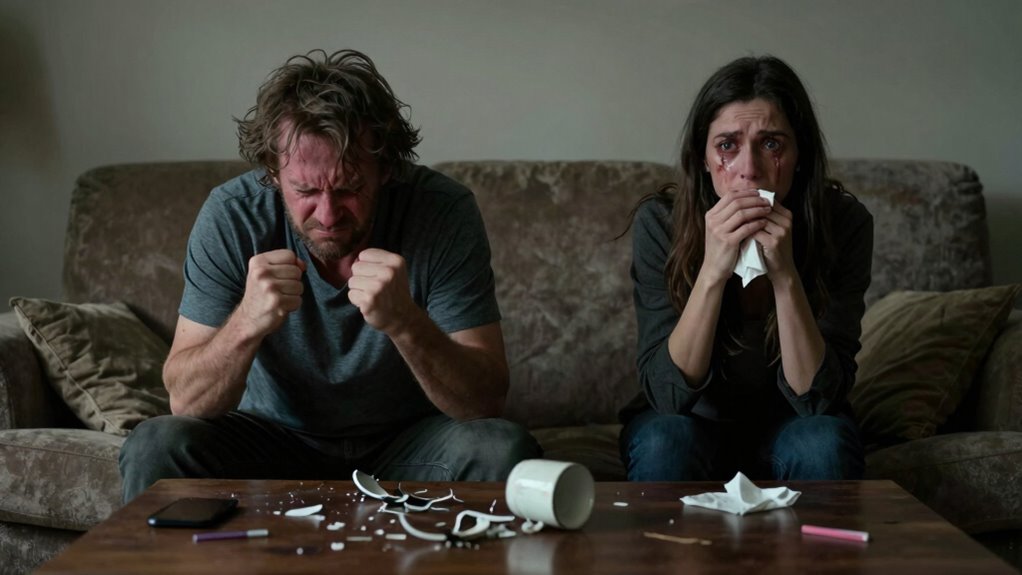

When your husband blames the marriage, it often worsens before it gets better because it triggers emotional distancing, defensiveness, and misunderstandings. He might withdraw or shut down to protect himself, which increases tension and reduces communication. Responding defensively can escalate the cycle, making things seem worse. Understanding this pattern helps you recognize underlying issues and develop healthier ways to connect. If you want to learn how to navigate this difficult phase, keep going.

Get gifts for the two of you delivered free with Prime
- Fast, free delivery on millions of items
- Prime Video, Amazon Music and more included
- Member-only deals all year
Key Takeaways
- Blaming often masks underlying emotional struggles, leading to increased defensiveness and conflict.
- Defensive reactions escalate tension, making resolution more difficult before improvements occur.
- Emotional withdrawal and distancing deepen the relationship rift, prolonging the healing process.
- Recognizing blame patterns helps address root causes and prevents escalation.
- Patience, empathy, and effective communication are essential for breaking negative cycles and fostering progress.
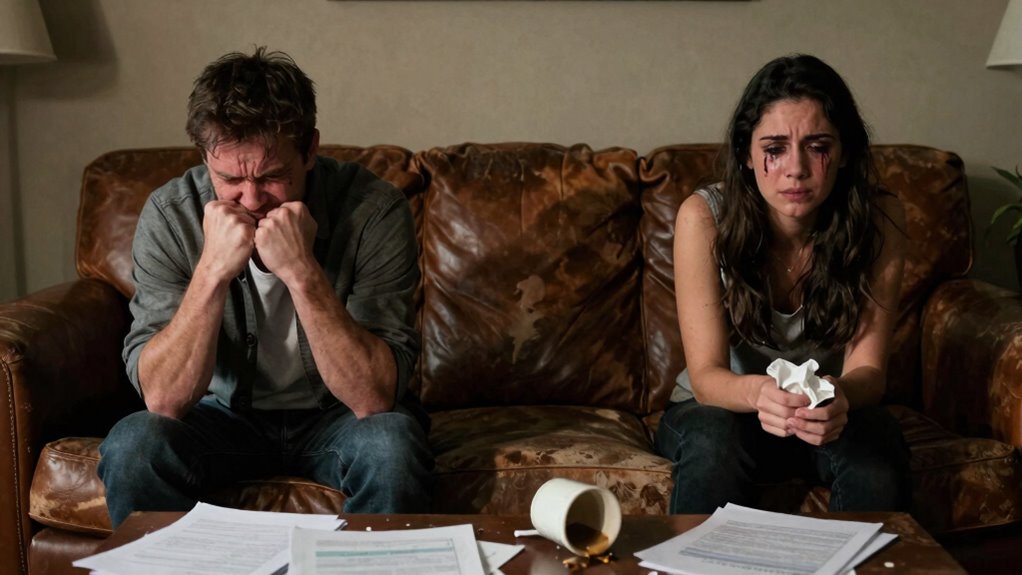
When your husband starts blaming the marriage for his dissatisfaction or problems, it can feel like a personal attack, but often, it’s a sign of deeper issues. He might be struggling with communication flaws that make it hard for him to express what’s truly bothering him. Instead of opening up, he displaces his frustrations onto the marriage itself, which can create a cycle of blame and defensiveness. This often leads to emotional distancing, where he pulls away emotionally as a way to cope with unresolved feelings or disappointment. You might notice him becoming less engaged, avoiding conversations, or shutting down entirely, which only deepens the rift.
It’s tempting to respond defensively when he blames the marriage, but that usually makes things worse. Instead, try to see through the blame to what’s really going on beneath the surface. Emotional distancing isn’t about wanting to leave the relationship; it’s often about feeling overwhelmed and unable to communicate effectively. When someone feels misunderstood or unheard, they may retreat, fearing confrontation or rejection. This creates a feedback loop: his withdrawal fuels your concern, which may cause you to become more defensive or anxious, further escalating the problem. Recognizing the importance of effective communication can help you better navigate these challenges and foster understanding. Additionally, understanding that these patterns are often rooted in deeper emotional issues can provide insight into how to approach the situation with empathy and patience. Developing healthy emotional boundaries can also be beneficial in managing these interactions more constructively. Sometimes, engaging in couples therapy can offer a safe space to work through these issues with professional guidance. Being aware of the cycle of blame and withdrawal can help you break the pattern and promote healthier interactions.
couples therapy workbooks for communication
As an affiliate, we earn on qualifying purchases.
As an affiliate, we earn on qualifying purchases.
Frequently Asked Questions
How Can I Tell if His Blame Is Genuine or Avoidance?
You can tell if his blame is genuine or avoidance by observing his emotional triggers and communication barriers. If he becomes defensive or shuts down, he might be avoiding responsibility. Genuine concern usually involves open dialogue and emotional honesty, even if uncomfortable. Pay attention to whether he’s willing to listen and work through issues or just deflect blame. This helps you gauge if he’s genuinely trying to address problems or avoiding deeper conversations.
What Are Immediate Steps to De-Escalate Blame During Arguments?
To de-escalate blame during arguments, focus on emotional awareness by recognizing your partner’s feelings and staying calm. Use conflict resolution by calmly expressing your perspective without assigning blame. Encourage open dialogue, listen actively, and avoid interruptions. Take deep breaths if tension rises. Acknowledge his concerns and steer the conversation toward solutions, not fault. This approach helps create a safe space, reducing blame and fostering understanding.
How Does Blaming Affect Long-Term Relationship Trust?
Blaming can erode long-term trust, with studies showing that persistent blame reduces relationship satisfaction by 30%. When you avoid emotional accountability and struggle with communication clarity, trust weakens further. Blaming creates defensiveness and prevents honest dialogue, making it harder to rebuild. To foster trust, focus on owning your feelings and communicating clearly, which helps create a safe space for both partners to grow and heal together.
Can Therapy Help Reduce Blame in a Marriage?
Yes, therapy can help reduce blame in your marriage by improving emotional awareness and communication techniques. Through therapy, you learn to recognize and express your feelings more effectively, which decreases defensiveness and blame. It also provides a safe space to explore underlying issues, fostering understanding and empathy. As a result, both partners develop healthier communication skills, making it easier to address conflicts without resorting to blame, strengthening your relationship overall.
What Signs Indicate the Blame Is Damaging the Marriage Irreparably?
Imagine a dam holding back floodwaters; emotional awareness is the key to preventing collapse. When blame creates communication barriers, you’ll notice persistent resentment, emotional withdrawal, and growing distance. If these signs continue unchecked, the marriage risks irreparable damage, with trust eroding and connection fading. You might feel trapped in a cycle of defensiveness and misunderstanding, making it harder to rebuild intimacy. Addressing these signs early is vital to saving your relationship.
emotional boundary setting for couples
As an affiliate, we earn on qualifying purchases.
As an affiliate, we earn on qualifying purchases.
Conclusion
When your husband blames the marriage, remember that it’s often a sign of deeper issues, not just blame. For example, imagine Sarah, who initially felt attacked when her husband pointed fingers. Instead of reacting defensively, she encouraged open dialogue and mutual understanding. Over time, they discovered underlying frustrations and built stronger trust. If you stay patient and communicative, even tough moments can lead to growth and a healthier relationship. It usually gets better with patience and honest conversations.
books on handling blame in marriage
As an affiliate, we earn on qualifying purchases.
As an affiliate, we earn on qualifying purchases.
marriage conflict resolution tools
As an affiliate, we earn on qualifying purchases.
As an affiliate, we earn on qualifying purchases.
Halloween Picks
halloween
As an affiliate, we earn on qualifying purchases.