

When your trust is broken by identity theft, it’s common to fall into a cycle of fear, confusion, and inaction that prolongs damage. You might hesitate to act, worry about making things worse, or feel overwhelmed by the process. But taking immediate steps like contacting your bank, freezing your credit, and keeping records can break this pattern. By understanding how to respond effectively, you’ll find ways to regain control and protect your future—more tips follow.

Get gifts for the two of you delivered free with Prime
- Fast, free delivery on millions of items
- Prime Video, Amazon Music and more included
- Member-only deals all year
Key Takeaways
- Recognize emotional barriers like fear and shame that delay proactive credit protection steps.
- Understand the pattern of avoidance that prevents timely actions, worsening financial damage.
- Implement immediate security measures such as credit freezes and fraud alerts to break the cycle of vulnerability.
- Seek emotional support to build resilience and empower decisive recovery actions.
- Regularly review and dispute credit report errors to prevent ongoing exploitation and regain control.
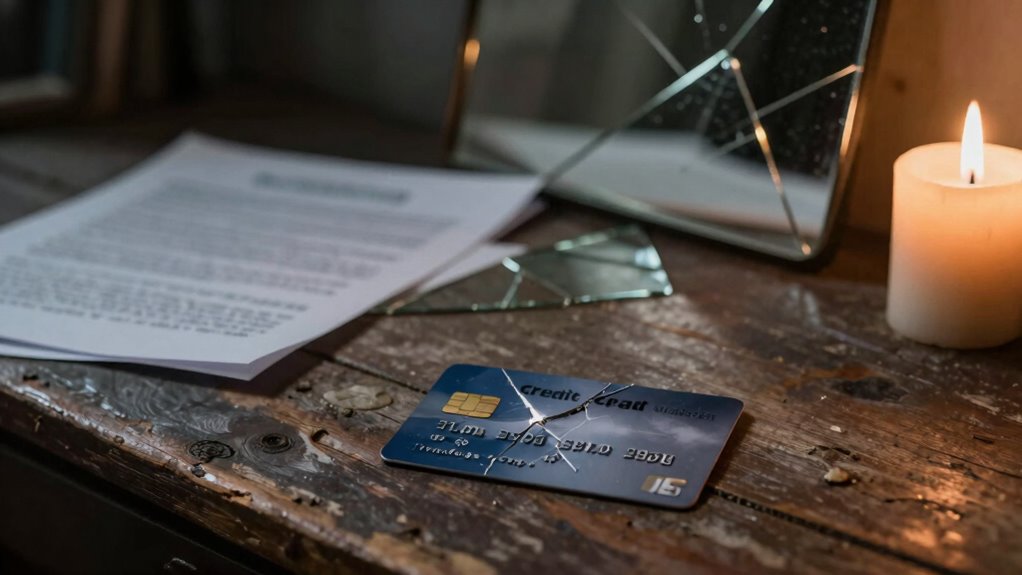
Have you ever wondered how to safeguard your credit after experiencing betrayal, such as fraud or identity theft? It’s a question that many people grapple with after a betrayal shatters their financial security. When your personal information is compromised, it’s easy to feel overwhelmed and helpless. But understanding the pattern that keeps too many people stuck can help you break free and move toward financial recovery. The process isn’t just about fixing your credit; it’s about rebuilding your emotional resilience, which is equally essential in steering the aftermath.
First, you need to act quickly. Contact your bank and credit bureaus the moment you notice suspicious activity. Place fraud alerts on your credit reports, which makes it harder for thieves to open new accounts in your name. This step is fundamental in limiting damage and starting the process of financial recovery. Keep detailed records of all your communications and document every suspicious transaction. This organized approach ensures you’re prepared when working with credit bureaus or law enforcement, helping to streamline your recovery process.
Next, review your credit reports thoroughly. Look for unfamiliar accounts, inquiries, or errors. Dispute any fraudulent information with the credit bureaus, providing supporting documentation. While addressing your credit, don’t neglect your emotional resilience. The betrayal can cause feelings of vulnerability or frustration. Remind yourself that you’re taking control and that recovery is a process. Seek support from friends, family, or professional counselors if needed. Building emotional resilience isn’t just about bouncing back; it’s about fortifying yourself against future setbacks. Additionally, being aware of the color accuracy and contrast ratios in your environment can help create a calming space that supports your mental well-being during recovery. Recognizing the importance of credit protection and implementing preventative measures are vital steps to help prevent recurrence. Developing a comprehensive understanding of personal finance planning can also empower you to make informed decisions moving forward. Spending time educating yourself about credit repair strategies can further enhance your ability to recover and safeguard your financial future. Furthermore, understanding the role of privacy policies and how your data is used can help you take more effective control of your personal information.
Implementing protective measures is essential as well. Consider freezing your credit, which prevents anyone from accessing your report without your permission. This is a proactive step that adds a layer of security, giving you peace of mind. Additionally, you should review your financial habits—set up alerts for unusual activity, change passwords regularly, and stay vigilant moving forward. The more proactive you are, the better prepared you’ll be to prevent further harm.
Finally, remember that recovery takes time. It’s easy to become impatient or discouraged when progress seems slow. But each step you take, no matter how small, builds resilience and moves you closer to restoring your financial health. The pattern of betrayal can trap many in a cycle of fear and inaction, but by taking decisive, informed actions, you’re breaking that cycle. Focus on your emotional strength as much as your credit score, and over time, you’ll find yourself stronger and more secure than before.
As an affiliate, we earn on qualifying purchases.
Frequently Asked Questions
How Can I Rebuild My Credit After a Betrayal?
You can rebuild your credit after betrayal by focusing on financial therapy and emotional healing. Start by reviewing your credit reports for errors and creating a realistic repayment plan. Practice emotional healing to regain confidence and make better financial decisions moving forward. Establish small, positive credit habits like paying bills on time and reducing debt. Over time, these actions will improve your credit score and help you feel more secure financially.
What Are the Early Signs of Credit Betrayal?
You might notice early signs of credit betrayal through sudden changes in your credit report, such as unfamiliar accounts or inquiries, indicating compromised financial privacy. Trust issues can also emerge when bills go unpaid or debts appear without your knowledge. Keep an eye on your credit activity regularly, and if you spot anything suspicious, act quickly to protect your credit and restore your trust in your financial security.
How Long Does Credit Damage From Betrayal Typically Last?
Your credit damage from betrayal can feel like it’s stuck in a never-ending nightmare, lasting anywhere from several months to a few years. But don’t panic! With diligent credit monitoring, you can spot issues early, and financial counseling can help you rebuild faster. Remember, you have the power to turn this around—your credit recovery timeline depends on your actions, persistence, and how quickly you seek professional help.
Can I Prevent Credit Betrayal in Future Relationships?
You can prevent credit betrayal in future relationships by setting clear financial boundaries early on. Communicate openly about money expectations and credit management. Focus on rebuilding trust gradually, ensuring both partners respect boundaries and demonstrate reliability. Regularly review your credit reports together, fostering transparency. By establishing these practices, you protect your financial health and build a stronger foundation for trust, reducing the risk of betrayal and ensuring mutual accountability.
What Legal Steps Are Available for Credit Betrayal Recovery?
You can take legal steps to recover from credit betrayal, like reporting identity theft and placing a fraud alert on your credit report. Filing a police report helps document the crime, and you can dispute fraudulent charges with credit bureaus. These actions create a paper trail, giving you leverage in legal disputes. Remember, you’re not alone—taking these steps can help you regain control and protect your financial future.
identity theft protection service
As an affiliate, we earn on qualifying purchases.
As an affiliate, we earn on qualifying purchases.
Conclusion
After betrayal, protecting your credit is crucial, but it’s equally important to recognize the pattern that keeps many stuck. Nearly 20% of identity theft victims face ongoing issues because they don’t take swift action to secure their financial future. By understanding this pattern and proactively shielding your credit, you regain control and prevent further damage. Remember, your financial recovery begins with awareness and decisive steps—don’t let betrayal define your credit story.
As an affiliate, we earn on qualifying purchases.
As an affiliate, we earn on qualifying purchases.
Halloween Picks
halloween
As an affiliate, we earn on qualifying purchases.