

The best couples communication tools fall into two camps: skill-building workbooks that teach you how to talk through conflict, and conversation prompt products that make daily connection easier. My top pick overall is The Seven Principles for Making Marriage Work, because it backs its exercises with decades of research on why relationships succeed or fail. For couples who want something lighter, The AND Couples Edition stands out among card decks for going deeper than typical icebreakers, while Fight Right is the strongest choice if conflict — not conversation — is your main battleground. The core tradeoff in this category is depth versus effort: workbooks demand real time and honesty, while card games deliver quick wins but rarely change how you argue. Keep reading for the full breakdown of all 15 tools.

Get gifts for the two of you delivered free with Prime
- Fast, free delivery on millions of items
- Prime Video, Amazon Music and more included
- Member-only deals all year
Key Takeaways
- Research-backed workbooks (The Seven Principles, Fight Right) ranked highest because they teach transferable conflict skills, not just pleasant conversation prompts.
- Card decks varied widely: The AND Couples Edition and Life Sutra went genuinely deep, while Let’s Get Deep leans closer to a party game than a communication tool.
- Structured programs like Reconnect and the 8-Week Couples Therapy Workbook work best for couples in serious trouble; they can feel too heavy for couples who just want to reconnect casually.
- Phrase-and-script books (Communicate Your Feelings, Love More, Fight Less) are the fastest entry point for beginners but may feel formulaic to couples wanting deeper behavioral change.
- Daily-habit formats (150 Daily Habits, 52 Weeks) succeed at consistency but risk becoming routine — couples should pick based on whether they want small daily touches or weekly deeper sessions.
| The Practical Communication Handbook for Couples: 150 Daily Habits to Build Healthy Communication, Reignite Intimacy, and Strengthen Your Relationship | 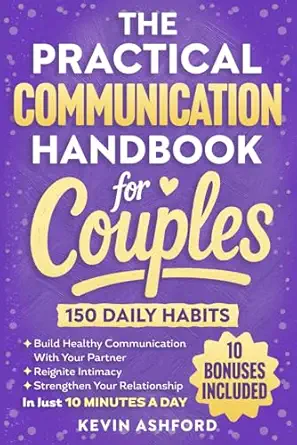 | Best for Busy Couples | Format: Paperback / digital book | Number of Habits: 150 daily habits | Time Required: About 10 minutes per day | VIEW LATEST PRICE | See Our Full Breakdown |
| The AND Couples Edition – 199 Meaningful Conversation Cards for Couples |  | Best Card-Based Pick | Format: Card game / conversation deck | Number of Cards: 199 | Designed For: Couples | VIEW LATEST PRICE | See Our Full Breakdown |
| Communication Miracles for Couples: Easy and Effective Tools to Create More Love and Less Conflict |  | Best for Conflict Reduction | Format: Paperback book | Focus Areas: Conflict reduction, love-building communication | Approach: Practical tools and techniques | VIEW LATEST PRICE | See Our Full Breakdown |
| Reconnect: A Marriage Counseling Workbook |  | Best Workbook Format | Format: Guided workbook | Content Type: Guided conversations and exercises | Approach: Counseling-inspired, exercise-driven | VIEW LATEST PRICE | See Our Full Breakdown |
| 52 Weeks: A Guided Communication Tool for Couples |  | Best Long-Term Structure | Format: Guided book | Program Length: 52 weeks (one year) | Structure: One exercise or prompt per week | VIEW LATEST PRICE | See Our Full Breakdown |
| 8-Week Couples Therapy Workbook: Essential Strategies to Connect, Improve Communication, and Strengthen Your Relationship |  | Best Structured Program | Format: Paperback workbook | Program Length: 8 weeks | Focus Areas: Communication, emotional intimacy, connection | VIEW LATEST PRICE | See Our Full Breakdown |
| Couples Connection Cards – 50 Conversation Starters for Couples |  | Best Low-Effort Option | Type: Conversation starter card game | Card Count: 50 prompts | Brand: The Adventure Challenge | VIEW LATEST PRICE | See Our Full Breakdown |
| Couples Therapy Workbook: Strategies to Connect, Restore Love and Trust, Improve Communication, Intimacy, and Validation |  | Best for Rebuilding Trust | Format: Workbook | Focus Areas: Trust repair, communication, intimacy, validation | Structure: Guided exercises and reflection prompts | VIEW LATEST PRICE | See Our Full Breakdown |
| Love More, Fight Less: Communication Skills Every Couple Needs | 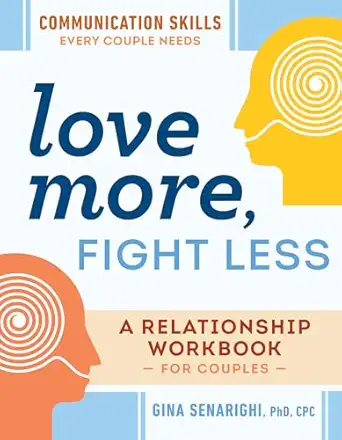 | Best for Conflict Resolution | Format: Relationship workbook | Primary Focus: Conflict resolution and communication skills | Structure: Practical exercises and skill lessons | VIEW LATEST PRICE | See Our Full Breakdown |
| The Seven Principles for Making Marriage Work: A Practical Guide from the Country’s Foremost Relationship Expert |  | Best Research-Backed Foundation | Format: Paperback guide with exercises | Author: Leading relationship researcher and clinician | Focus Areas: Marriage longevity, conflict dynamics, friendship and connection | VIEW LATEST PRICE | See Our Full Breakdown |
| Fight Right: How Successful Couples Turn Conflict Into Connection |  | Best for Conflict-Heavy Couples | Format: Book | Category: Relationship communication and conflict resolution | Primary Focus: Turning conflict into connection | VIEW LATEST PRICE | See Our Full Breakdown |
| Let’s Get Deep: A Couples Question Card Game by Relatable |  | Best Date Night Icebreaker | Type: Conversation card game | Players: 2 or more | Ages: 17+ | VIEW LATEST PRICE | See Our Full Breakdown |
| Communication Skills for Couples: Guide to Improve Communications, Resolve Conflict, Deepen Intimacy, Strengthen Marriage and Create a Healthy Relationship |  | Best Budget-Friendly Starter Book | Format: Book | Category: Relationship communication guide | Primary Focus: Communication, conflict resolution, intimacy, marriage | VIEW LATEST PRICE | See Our Full Breakdown |
| Communicate Your Feelings (without starting a fight): What to Say and What Not to Say to Your Partner |  | Best for the Conflict-Avoidant Partner | Format: Book | Category: Interpersonal communication guide | Primary Focus: Expressing feelings without triggering conflict | VIEW LATEST PRICE | See Our Full Breakdown |
| Life Sutra Couple Reconnect Card Game, 150 Conversation Cards to Build Trust, Deepen Bond & Strengthen Communication |  | Best for Gentle Reconnection | Type: Conversation card deck | Cards Included: 150 conversation prompts | Recommended Age: 16 years and up | VIEW LATEST PRICE | See Our Full Breakdown |
| couples communication tool | Format | Approach | Structure |
|---|---|---|---|
| The Practical Communication Ha | Paperback / digital book | Habit-based daily practice | — |
| The AND Couples Edition | Card game / conversation deck | — | — |
| Communication Miracles for Cou | Paperback book | Practical tools and techniques | Topic-based chapters, no scheduled program |
| Reconnect: A Marriage Counseli | Guided workbook | Counseling-inspired, exercise-driven | Progressive guided activities |
| 52 Weeks: A Guided Communicati | Guided book | Progressive guided exercises | One exercise or prompt per week |
| 8-Week Couples Therapy Workboo | Paperback workbook | — | Weekly exercises and guided strategies |
| Couples Connection Cards | — | — | — |
| Couples Therapy Workbook: Stra | Workbook | — | Guided exercises and reflection prompts |
| Love More | Relationship workbook | Skills-based, tactic-first | Practical exercises and skill lessons |
| The Seven Principles for Makin | Paperback guide with exercises | Research-based principles with practical application | Principle-based chapters with exercises |
| Fight Right: How Successful Co | Book | Research-based conflict framework | — |
| Let’s Get Deep: A Couples Ques | — | — | Three levels of intimacy plus activity category |
| Communication Skills for Coupl | Book | Practical strategy guide | — |
| Communicate Your Feelings | Book | Phrase-level practical advice | — |
| Life Sutra Couple Reconnect Ca | — | — | — |
More Details on Our Top Picks
The Practical Communication Handbook for Couples: 150 Daily Habits to Build Healthy Communication, Reignite Intimacy, and Strengthen Your Relationship
The Practical Communication Handbook stands out for its low-commitment format: 150 daily habits, each doable in about 10 minutes. Compared with Reconnect: A Marriage Counseling Workbook, which asks for longer guided sessions, this option is built for partners who can’t carve out an evening but can spare a coffee break. Where Communication Miracles for Couples teaches concepts and scripts, this handbook drills small repeated behaviors — the difference between learning a principle and practicing it daily. The tradeoff is depth: tips are short by design, so couples in serious conflict will likely need something more structured. Advice can also feel generic, since nothing is tailored to your specific dynamic. This pick makes the most sense for habit-building rather than crisis repair.
Pros:- Ten-minute exercises fit easily into daily routines
- 150 habits offer variety and long-term replay value
- Focuses on both communication and intimacy, not just conflict
- Habit-based approach builds lasting skills through repetition
Cons:- Short tips lack depth for serious relationship problems
- Generic advice isn’t tailored to a couple’s specific issues
Best for: Busy couples who want small, daily 10-minute exercises instead of long workbook sessions
Not ideal for: Couples in active conflict or crisis who need deeper, therapy-style structured work
- Format:Paperback / digital book
- Number of Habits:150 daily habits
- Time Required:About 10 minutes per day
- Focus Areas:Communication, intimacy, relationship strength
- Approach:Habit-based daily practice
- Best Use:Ongoing daily relationship maintenance
Our verdict“Choose this if you and your partner want small daily wins rather than a heavyweight counseling-style program.”
The AND Couples Edition – 199 Meaningful Conversation Cards for Couples
This is the roundup’s strongest non-book option, and that matters: some couples simply won’t read a workbook together. With 199 question cards, The AND turns communication practice into something closer to a date-night activity. Compared with 52 Weeks: A Guided Communication Tool for Couples, it removes the pressure of a year-long commitment — you draw a card when the moment feels right. It also has more depth per prompt than lighter games like Let’s Get Deep, which leans more playful. The tradeoff: cards prompt conversations but don’t teach skills the way Communication Miracles for Couples does. There’s no coaching on how to listen or de-escalate — just invitations to talk. Questions can also feel repetitive once you’ve worked through the deck.
Pros:- 199 cards provide a large question pool with strong replay value
- Works across date nights, travel, and special occasions
- Zero preparation or reading commitment required
- Encourages emotional depth without feeling like therapy homework
Cons:- Prompts conversations but doesn’t teach actual communication techniques
- Questions can feel repetitive after repeated use
Best for: Couples who prefer low-pressure, playful conversation over reading self-help books
Not ideal for: Couples who need to learn concrete conflict-resolution skills, not just conversation prompts
- Format:Card game / conversation deck
- Number of Cards:199
- Designed For:Couples
- Use Cases:Date nights, travel, special occasions
- Theme:Relationship building and communication
- Time Commitment:Flexible, session-based
Our verdict“Pick this if workbooks feel like homework and you’d rather build connection one card at a time.”
Communication Miracles for Couples: Easy and Effective Tools to Create More Love and Less Conflict
Where most entries in this roundup focus on building connection, this book earns its spot by aiming squarely at reducing conflict. The tools are easy to grasp and apply immediately — no homework, no weekly schedule. Compared with The Practical Communication Handbook for Couples, which spreads 150 micro-habits across daily life, Communication Miracles delivers targeted techniques you can deploy mid-argument, which is when most couples actually need help. It’s also lighter than Fight Right, which digs deeper into the psychology of conflict at the cost of more reading time. The tradeoff is scope: this is a focused, slim toolkit, not a complete relationship program. Couples wanting structured exercises should lean toward Reconnect instead. But for partners who argue in repeating loops, this option makes the most sense.
Pros:- Teaches techniques usable in the middle of real conflicts
- Simple, accessible language with no jargon
- Focused specifically on reducing friction, not general relationship advice
- Quick to read and apply compared with longer titles
Cons:- Narrow scope — covers conflict tactics more than intimacy or long-term growth
- Lacks exercises or structured practice to reinforce the concepts
Best for: Couples stuck in repetitive arguments who want practical de-escalation techniques they can use immediately
Not ideal for: Couples wanting a structured, exercise-based program with weekly progression
- Format:Paperback book
- Focus Areas:Conflict reduction, love-building communication
- Approach:Practical tools and techniques
- Difficulty:Beginner-friendly, easy to apply
- Structure:Topic-based chapters, no scheduled program
- Best Use:Learning de-escalation and connection techniques
Our verdict“If fighting patterns are your main problem, this focused toolkit beats broader relationship books hands down.”
Reconnect: A Marriage Counseling Workbook
Reconnect is the most therapy-adjacent option in this batch, built around guided conversations and structured exercises rather than tips or cards. Compared with Communication Miracles for Couples, which you read passively, this workbook demands active participation — writing, discussing, and working through prompts together. That’s the point: engagement is what drives change. It sits closer to a counseling experience than 52 Weeks, with exercises that feel more like sessions than weekly check-ins. The tradeoffs are real, though. It requires both partners to buy in fully, and it’s a heavier emotional lift than pulling a card from The AND Couples Edition. Couples where one partner is reluctant may stall halfway. Still, for duos serious about long-term growth, this structure is a genuine advantage, not a burden.
Pros:- Guided conversations approximate a counseling experience at home
- Structured exercises create accountability and momentum
- Designed for long-term relationship growth, not quick fixes
- Prompts meaningful dialogue couples might avoid otherwise
Cons:- Requires significant time and emotional investment from both partners
- Can feel heavy or clinical compared with lighter card-based options
Best for: Committed couples who want a counseling-style structured program and are both willing to do the work
Not ideal for: Couples where one partner resists structured relationship work — it requires full participation
- Format:Guided workbook
- Content Type:Guided conversations and exercises
- Approach:Counseling-inspired, exercise-driven
- Participation:Requires both partners
- Best For:Long-term committed relationships
- Structure:Progressive guided activities
Our verdict“This is the pick for couples ready to treat relationship work as a real project together.”
52 Weeks: A Guided Communication Tool for Couples
52 Weeks occupies a smart middle ground in this roundup: more structured than a card deck, less demanding than Reconnect: A Marriage Counseling Workbook. One exercise per week gives couples a sustainable rhythm — enough cadence to build momentum without the burnout risk of daily habit tracking like The Practical Communication Handbook. Each week builds on the last, so skills compound over a full year rather than arriving as scattered tips. The tradeoff is pace: couples trying to repair urgent damage may find a weekly cadence too slow, and there’s no digital companion or multimedia content to supplement the print material. Compared with The AND Couples Edition, it offers far more skill-building but far less spontaneity. This option makes the most sense for steady, patient couples playing the long game.
Pros:- Week-by-week structure builds skills progressively over a year
- Manageable cadence prevents burnout compared with daily programs
- Guided prompts remove the guesswork of what to work on
- Encourages consistent, meaningful conversations
Cons:- Weekly pace feels slow for couples in active distress
- No digital or multimedia content to supplement the book
Best for: Steady, patient couples who want a year-long weekly rhythm of guided exercises
Not ideal for: Couples needing fast results — the weekly pace is slow for urgent relationship repair
- Format:Guided book
- Program Length:52 weeks (one year)
- Structure:One exercise or prompt per week
- Focus Areas:Communication, understanding, connection
- Approach:Progressive guided exercises
- Supplementary Content:Print only, no digital extras
Our verdict“Choose this if you want a full year of gentle, structured practice rather than a quick fix.”
8-Week Couples Therapy Workbook: Essential Strategies to Connect, Improve Communication, and Strengthen Your Relationship
This option stands out for its time-boxed, eight-week curriculum, which gives couples something most communication books lack: a deadline-driven structure that turns good intentions into a weekly habit. Compared with Love More, Fight Less, which teaches skills in a more open-ended way, this workbook forces pacing — you know exactly what to do each week and when you’ve finished. That structure is a genuine asset for couples who buy books and never finish them, but it also demands real commitment; skipping weeks undermines the whole design. Like the Couples Therapy Workbook by a similar title, it covers connection and communication rather than clinical repair, so this pick makes the most sense for motivated couples in a maintenance phase, not those in active crisis.
Pros:- Clear eight-week structure builds momentum and accountability
- Step-by-step exercises translate concepts into daily interactions
- Covers both communication skills and emotional intimacy
- Works well as a shared project that gets both partners involved
Cons:- Requires sustained eight-week commitment from both partners
- Content depth is limited for couples needing clinical-level repair
- Sparse detail on format and materials before purchase
Best for: Self-disciplined couples who want a clear weekly schedule and measurable progress over two months
Not ideal for: Couples dealing with betrayal or serious conflict — the workbook format can’t replace a licensed therapist
- Format:Paperback workbook
- Program Length:8 weeks
- Focus Areas:Communication, emotional intimacy, connection
- Structure:Weekly exercises and guided strategies
- Intended Users:Couples at any committed stage
- Therapist Required:No, self-directed
- Language:English
Our verdict“Choose this if you and your partner want a scheduled, homework-driven program you can actually finish together.”
Couples Connection Cards – 50 Conversation Starters for Couples
Where every other product in this roundup asks you to work, these cards ask you to talk — and that’s their entire appeal. Compared with bulkier decks like The AND Couples Edition or the Life Sutra Reconnect set, this 50-card pack from The Adventure Challenge is deliberately small, making it the most travel-friendly pick here and an easy drop-in for date nights, road trips, or long-distance video calls. The tradeoff is depth: there’s no framework, no skill-building, no progression. Once you’ve worked through the prompts, the deck is largely spent, and couples who want structured conflict-resolution tools — the kind Love More, Fight Less provides — will find these too light. This pick makes sense as an entry point or a gift, not a relationship overhaul.
Pros:- No preparation or reading required — just draw a card and talk
- Pocket-sized deck travels easily for dates and trips
- Works at any relationship stage, from new to decades-long
- Strong gift option for weddings and anniversaries
Cons:- Only 50 prompts, so variety runs out for regular users
- Prompts stay surface-to-moderate rather than teaching skills
- No digital companion or expansion content
Best for: Busy couples and long-distance partners who want a zero-prep way to spark conversation on demand
Not ideal for: Couples seeking conflict-resolution skills or a long-term curriculum — 50 prompts run out quickly
- Type:Conversation starter card game
- Card Count:50 prompts
- Brand:The Adventure Challenge
- Set Name:Connection Cards
- Recommended Ages:All (adult couples)
- Included Components:Cards only
- Portability:Compact, travel-friendly
Our verdict“Grab this deck if you want the easiest possible way to get talking tonight — but pair it with a workbook if you want lasting change.”
Couples Therapy Workbook: Strategies to Connect, Restore Love and Trust, Improve Communication, Intimacy, and Validation
Most workbooks in this category optimize for better conversations; this one aims squarely at repair — rebuilding trust, restoring intimacy, and practicing validation after things have broken down. That focus sets it apart from the 8-Week Couples Therapy Workbook, which assumes a fundamentally healthy relationship, and makes it a better fit for couples recovering from a breach or long drift. The tradeoff is that trust work is heavier work: the exercises assume goodwill is already strained, which means this is slower going and more emotionally demanding than lighter alternatives. It also leans on the reader to self-facilitate, and for deep ruptures the book itself acknowledges a counselor alongside it produces better outcomes. Compared with card decks, though, it offers something they can’t: a path back, not just a conversation.
Pros:- Rare focus on trust restoration, not just conversation skills
- Validation exercises teach a concrete skill most books skip
- Bridges self-help and therapist-guided work effectively
- Addresses intimacy alongside communication
Cons:- Emotionally demanding material can stall without buy-in from both partners
- Best results typically require a counselor’s guidance
- Little published detail on content depth or page format
Best for: Couples working to repair trust, resentment, or emotional distance after a rupture
Not ideal for: Casual couples wanting fun conversation prompts — the repair-focused exercises will feel heavy
- Format:Workbook
- Focus Areas:Trust repair, communication, intimacy, validation
- Structure:Guided exercises and reflection prompts
- Intended Users:Couples rebuilding after conflict or distance
- Therapist Recommended:Optional but improves results
- Language:English
- Self-Paced:Yes
Our verdict“This is the pick for couples in recovery mode who need trust and validation work, not just date-night questions.”
Love More, Fight Less: Communication Skills Every Couple Needs
The title is the pitch: this workbook is built around fighting better, not just talking more. Compared with The Seven Principles for Making Marriage Work, which explains the research behind why marriages fail, this book is tactic-first — it hands you specific communication skills and exercises for the moments when a conversation turns hostile. That makes it the most practical pick for couples whose core problem is recurring arguments rather than drifting apart. The tradeoff is scope: it’s tighter and more situational than the research-heavy alternatives, so readers wanting a broad philosophy of partnership will find it thin on the ‘why.’ Unlike the Couples Connection Cards, which avoid conflict entirely, this option goes straight at it, which means it’s only useful if both partners are willing to examine how they argue.
Pros:- Directly targets conflict patterns rather than general closeness
- Exercises are actionable, not abstract theory
- Skills apply immediately to real arguments
- Focused scope keeps the material digestible
Cons:- Narrower scope than full-relationship guides like The Seven Principles
- Requires both partners to engage with the material honestly
- Minimal publisher detail on structure and length
Best for: Couples stuck in repeating argument patterns who want concrete de-escalation tools
Not ideal for: Couples without active conflict who want connection-building or conversation prompts instead
- Format:Relationship workbook
- Primary Focus:Conflict resolution and communication skills
- Structure:Practical exercises and skill lessons
- Intended Users:Couples experiencing recurring conflict
- Approach:Skills-based, tactic-first
- Therapist Required:No
- Language:English
Our verdict“If arguments are your relationship’s recurring problem, this focused skill-builder beats the broader books in this lineup.”
The Seven Principles for Making Marriage Work: A Practical Guide from the Country’s Foremost Relationship Expert
This is the most authoritative pick in the lineup — a guide grounded in decades of observational research on what actually predicts marital success or failure. Compared with newer workbooks like Love More, Fight Less, it’s less tactical and more foundational: it explains the underlying dynamics — the Four Horsemen, bids for connection, repair attempts — that every other product in this roundup quietly borrows from. The tradeoff is effort and pacing. There’s no eight-week schedule like the 8-Week Couples Therapy Workbook, so self-directed readers may stall, and it’s marriage-centric, which makes it a weaker fit for newer or non-married couples. Still, for a partner who asks ‘show me the evidence’ before doing an exercise, nothing else here carries the same credibility.
Pros:- Grounded in decades of clinical research rather than opinion
- Introduces widely cited frameworks like the Four Horsemen
- Includes practical exercises alongside the theory
- Author is one of the most recognized figures in relationship science
Cons:- Denser and more theory-heavy than the workbooks in this roundup
- Marriage-focused framing fits committed couples more than new relationships
- No built-in schedule, so progress depends on self-discipline
Best for: Analytical couples who want research-backed explanations of why marriages succeed or fail before doing exercises
Not ideal for: Couples wanting quick daily prompts or a structured week-by-week program — this is a dense read
- Format:Paperback guide with exercises
- Author:Leading relationship researcher and clinician
- Focus Areas:Marriage longevity, conflict dynamics, friendship and connection
- Approach:Research-based principles with practical application
- Intended Users:Married or committed couples
- Structure:Principle-based chapters with exercises
- Language:English
Our verdict“This is the foundation read for couples who want to understand their relationship scientifically, not just practice scripts.”
Fight Right: How Successful Couples Turn Conflict Into Connection
Most communication resources spread themselves thin across every topic, but this one goes all-in on a single skill: fighting productively. Where Communication Skills for Couples covers a broad checklist of relationship topics, this book argues that how you argue matters more than almost anything else, and it builds a full framework around that idea. Couples who feel stuck in repetitive blowups will get more from this focused approach than from a general-purpose guide. The tradeoff is real, though: if your conflicts are rare and your struggle is more about day-to-day emotional distance, a conversation-starter tool like Let’s Get Deep or a broader workbook may fit better. This is also a book that demands practice — skimming it won’t change anything.
Pros:- Focused expertise on conflict resolution rather than scattered general advice
- Teaches a repeatable framework couples can apply during real arguments
- Deeper and more research-grounded than shorter generic communication guides
- Works for long-term couples who already know their problem is fighting poorly
Cons:- Narrow scope — covers little about intimacy, daily habits, or reconnection
- Requires sustained effort and practice, not a quick fix
- Denser read than card games or lighter communication workbooks
Best for: Couples who argue often and want a structured method to turn recurring conflicts into productive conversations
Not ideal for: Partners whose main issue is emotional distance rather than conflict — the conflict-centric framing won’t address quiet disconnection
- Format:Book
- Category:Relationship communication and conflict resolution
- Primary Focus:Turning conflict into connection
- Approach:Research-based conflict framework
- Audience:Committed couples
- Effort Level:High — requires active application
Our verdict“Buy this if fighting badly is your relationship’s core problem and you’re both willing to actually do the work.”
Let’s Get Deep: A Couples Question Card Game by Relatable
This is the most socially flexible option in the lineup. Unlike Life Sutra Couple Reconnect, which is built strictly for two people, this game works for a double date or a group of friends, and its three-tiered question structure lets couples control how intense the conversation gets — light, deeper, or fully vulnerable. Compared with a book like Fight Right, it skips theory entirely and gets you talking within minutes, which makes it a natural pick for couples who find workbooks intimidating. The catches: it’s rated 17+ with genuinely mature content, so it’s not a gift for every couple, and some prompts can feel too personal too fast for newer relationships. It opens doors; it doesn’t teach you how to walk through them.
Pros:- Three escalating intimacy levels let couples pace their vulnerability
- Works for two players or larger groups, unlike most couples-only decks
- No reading or theory required — playable in minutes
- Strong gift option for anniversaries, weddings, and holidays
Cons:- Mature 17+ content limits who you can comfortably play it with
- Promotes conversation but teaches no communication skills or techniques
- Some questions may feel too personal or confrontational for sensitive partners
Best for: Couples or friend groups who want a fun, low-prep conversation game for date nights and gatherings
Not ideal for: New couples or easily embarrassed partners — the mature content and intense questions can feel invasive early on
- Type:Conversation card game
- Players:2 or more
- Ages:17+
- Structure:Three levels of intimacy plus activity category
- Best Setting:Date nights, anniversaries, group gatherings
Our verdict“The pick for playful couples who want meaningful conversation without the homework of a book.”
Communication Skills for Couples: Guide to Improve Communications, Resolve Conflict, Deepen Intimacy, Strengthen Marriage and Create a Healthy Relationship
Think of this as the all-in-one primer: communication, conflict resolution, intimacy, and marriage-strengthening, all in one inexpensive package. Compared with Fight Right, which goes deep on a single skill, this guide trades depth for breadth — a reasonable trade for couples who aren’t sure where their problems start. It’s also a lower-commitment entry point than structured workbooks like Reconnect: A Marriage Counseling Workbook, which demand weeks of exercises. The flip side of that accessibility is thinness: without a named expert behind it, the advice can feel generic, and couples with a specific entrenched problem will outgrow it quickly. It’s a solid first purchase, not a definitive reference.
Pros:- Covers the full relationship spectrum — communication, conflict, intimacy, and marriage health
- Low-cost, low-commitment entry point for beginners
- Practical strategies rather than abstract theory
- Reasonable first step before investing in a structured workbook
Cons:- Author credentials and content depth are not well documented
- Broad coverage means little depth on any single topic
- Likely to be outgrown by couples who need targeted help
Best for: Couples new to relationship self-help who want an affordable, broad overview before committing to specialized resources
Not ideal for: Couples facing a specific entrenched issue — the broad-brush approach won’t go deep enough on any one problem
- Format:Book
- Category:Relationship communication guide
- Primary Focus:Communication, conflict resolution, intimacy, marriage
- Approach:Practical strategy guide
- Audience:Couples and married partners
- Effort Level:Moderate
Our verdict“A cheap, wide-angle starting point for couples who don’t yet know which communication skill they’re missing.”
Communicate Your Feelings (without starting a fight): What to Say and What Not to Say to Your Partner
Where most entries here target the couple as a unit, this book solves a one-person problem: how to voice hurt, frustration, or need without triggering a defensive blowup. That makes it the rare pick that works even if your partner won’t read anything — a real advantage over Fight Right, which is most effective when both people engage with it. The say-this-not-that structure is immediately actionable in a way that broader guides like Communication Skills for Couples are not. The limitation is scope: it won’t help you resolve a fight once it’s started, and it won’t build intimacy the way a card game like Life Sutra Couple Reconnect can. It’s a single, sharpened tool rather than a complete toolkit.
Pros:- Concrete phrasing examples — exactly what to say and what to avoid
- Usable by one partner alone, no buy-in from the other required
- Directly targets the fear of conversations turning into fights
- Short and immediately applicable compared with longer workbooks
Cons:- Narrow focus on expressing feelings, with little on listening or resolution
- Limited documentation of the specific techniques and evidence behind them
- Won’t address deeper relationship problems beyond communication style
Best for: Partners who bottle things up or brace for arguments every time they raise a concern
Not ideal for: Couples seeking a full relationship program — this covers only the moment of expression, not the wider dynamic
- Format:Book
- Category:Interpersonal communication guide
- Primary Focus:Expressing feelings without triggering conflict
- Approach:Phrase-level practical advice
- Audience:Individual partners or couples
- Effort Level:Low to moderate
Our verdict“The right buy if one partner’s silence or explosive phrasing is the main flashpoint in the relationship.”
Life Sutra Couple Reconnect Card Game, 150 Conversation Cards to Build Trust, Deepen Bond & Strengthen Communication
This deck occupies the emotional middle ground the others skip. It’s warmer and less edgy than Let’s Get Deep — no 17+ content, a 16+ recommendation — which makes it a safer gift for couples at any relationship stage, including new ones and long marriages. Its 150 prompts are built around trust and empathy rather than shock value, and the simple format travels well, something a bulky workbook like 52 Weeks can’t match. The tradeoff: it’s gentler to a fault. Couples in genuine distress will find it underpowered compared with a structured program, and the cardstock build is serviceable but not premium. Think of it as maintenance for connection, not repair.
Pros:- 150 prompts spanning trust, empathy, and bonding for varied conversation
- Gentle tone suits every relationship stage, from new couples to decades-long marriages
- Compact and travel-friendly for trips, dinners, and quiet nights in
- Safe, universally appropriate gift — no mature content to worry about
Cons:- Too mild for couples dealing with serious conflict or disconnection
- Some prompts may feel repetitive or mismatched to certain stages
- Cardstock quality is basic, not designed for heavy long-term use
Best for: Stable couples — including newer and long-term pairs — who want a calm, low-pressure way to stay emotionally close
Not ideal for: Couples in active crisis — the gentle prompts won’t reach problems that need structured intervention
- Type:Conversation card deck
- Cards Included:150 conversation prompts
- Recommended Age:16 years and up
- Material:Cardstock
- Focus:Trust, empathy, emotional bonding
- Brand:Life Sutra
- Model:Connect-150 (Couple Reconnect set)
Our verdict“The best choice for couples who want to deepen warmth and trust gradually rather than tackle hard problems head-on.”

How We Picked
I evaluated each tool on four buyer-relevant criteria. Depth of skill-building came first: does the product actually change how a couple communicates during hard moments, or does it only generate pleasant small talk? Accessibility and format came second, because the best workbook in the world fails if neither partner will open it — I favored tools with clear entry points for reluctant partners. Evidence base and author credibility mattered too, since relationship advice ranges from clinically grounded to pure opinion. Finally, I weighed fit for different relationship situations, from casual daters to couples in crisis.
The ranking follows a simple logic: tools that teach durable conflict skills place above tools that generate connection but avoid friction. That’s why research-driven books lead the list, structured workbooks for struggling couples fill the middle, and lighter card products rank lower — not because they’re bad, but because their ceiling is lower. Within each tier, I compared how much honest effort each product demands versus the payoff it delivers.
Factors to Consider When Choosing Couples Communication Tools
Before choosing a couples communication tool, it helps to understand what kind of problem you’re actually trying to solve — because the right product for a bored couple is very different from the right product for a couple that fights every weekend.Skill-Building vs. Conversation Prompting
The biggest mistake couples make is buying a conversation deck when they actually need conflict skills, or buying a therapy workbook when they just want to talk more. Prompt-based products (card decks, question games) lower the barrier to talking and work well for couples who get along but feel disconnected. Skill-based products (workbooks, research-backed books) teach you how to handle disagreement, repair after fights, and express needs without blame. If arguments are your main issue, no deck of questions will fix that — and if disconnection is your issue, a heavy workbook may feel like homework neither of you finishes. Honestly assess which problem you have before spending money.
Your Partner’s Willingness Level
A tool only works if both people engage, and this is where many purchases fail. If your partner is skeptical of anything that smells like therapy, a clinical-sounding workbook will sit unread — card games and lighter formats have far higher completion rates with reluctant partners. On the other hand, if both of you are motivated and hurting, a gentle icebreaker deck can feel insultingly shallow. A common compromise: start with a card deck to build the habit of talking, then graduate to a workbook once conversations are flowing. Buying above your partner’s willingness level wastes money; buying below it wastes an opportunity.
Author Credentials and Evidence Base
Anyone can publish relationship advice, and the quality gap between titles is enormous. Books grounded in clinical research — typically written by therapists who studied thousands of couples — tend to offer tools that hold up under real stress. Self-published guides can still be useful, but their advice is more likely to be one person’s opinion dressed up as universal truth. Check who wrote it and what their claim to expertise is before committing weeks of effort to a program. This matters most for workbooks, where you’re investing real time, and less for card decks, where the stakes are simply whether the questions are interesting.
Time Commitment and Structure
Formats range from five-minute card pulls to eight-week programs with written exercises. The mistake to avoid is overestimating your available time — couples consistently buy ambitious programs and abandon them by week two. Daily micro-formats suit busy schedules and build consistency, while weekly session formats suit couples who prefer one substantial conversation over many small ones. Structured multi-week programs work best when you explicitly agree on a schedule together. Match the format to your actual calendar, not your idealized one.
Where Your Relationship Currently Sits
A tool designed for enrichment can frustrate a couple in crisis, and a crisis-level workbook can alarm a couple that’s merely drifting. Roughly: happy couples wanting novelty should look at question games and conversation decks; drifting couples benefit from daily-habit books and guided weeklies; couples in active conflict need conflict-focused titles and repair-oriented workbooks. If trust has been broken, look specifically for products covering repair and validation rather than general conversation. Picking the wrong intensity level is the most common reason a well-reviewed product disappoints.
Format Preference: Read, Write, or Play
People absorb relationship material differently. Some couples need to read explanations of why a pattern is harmful before changing it; others learn best by writing answers in a workbook; others only engage through play. There’s no single right format, but there is a wrong one — forcing a partner who hates journaling into a workbook. Hybrid products that mix short readings with exercises tend to have the broadest appeal. When in doubt, pick the format the less enthusiastic partner prefers, since their engagement is the bottleneck.
Frequently Asked Questions
Are conversation card decks actually effective for improving communication, or are they just entertainment?
Card decks genuinely help with one specific problem: silence. They give couples a low-pressure structure for talking, which builds the habit of regular conversation — and that habit is a real foundation for better communication. What they don’t do is teach conflict skills; a deck won’t show you how to de-escalate an argument about money or repair after a blowup. In this lineup, decks like The AND Couples Edition and Life Sutra go meaningfully deeper than typical icebreaker games, but they still sit below workbooks for couples in real distress. Treat decks as connection-builders and pair them with a skill-based book if conflict is your issue.
Can a workbook really substitute for couples therapy?
For couples with mild to moderate disconnection, a well-structured workbook can produce real improvement — especially research-based ones that teach specific, repeatable skills. The structured programs in this roundup, like Reconnect and the 8-Week Couples Therapy Workbook, borrow directly from therapeutic frameworks and can be done at your own pace and privacy. However, workbooks can’t mediate when one partner has checked out, can’t spot patterns neither of you sees, and can’t intervene in a crisis involving betrayal or abuse. If you’ve tried a workbook consistently for a couple of months without movement, that’s a signal to bring in a professional rather than buy another book.
What if my partner is unwilling to do couples communication exercises with me?
This is one of the most common situations, and it changes what you should buy. Skip the heavy workbooks — they require two willing participants and will only breed resentment if one person drags the other through them. Your best entry points are low-effort formats: a card game framed as fun rather than therapy, or a book one partner can read alone that changes how they communicate unilaterally. Titles focused on individual communication skills, like Communicate Your Feelings, work here because even one partner changing their phrasing can shift the dynamic. Often the less resistant partner warms up once conversations stop feeling like assignments.
How long should we commit to a tool before deciding whether it’s working?
Give any tool a fair window of four to six weeks of consistent use before judging it, since communication patterns take years to form and won’t change in a weekend. That said, distinguish between ‘no results yet’ and ‘we’re not actually using it’ — if the product sits untouched, the format is the problem, not the advice. In that case, switch to a lighter or different format rather than abandoning the goal entirely. For multi-week programs, the built-in structure answers this question for you: if you complete the program and notice even slightly faster recovery after arguments, that’s a meaningful win worth building on.
Is it better to buy one deep program or several lighter tools?
For most couples, one well-chosen deep tool beats a shelf of decks, because skill-building compounds — practicing one framework repeatedly teaches more than sampling five. That said, a smart combination is one skill-building book plus one card deck: the book changes how you handle hard conversations, while the deck keeps everyday connection alive without effort. Avoid buying multiple workbooks at once, since couples rarely finish more than one program and the second purchase usually becomes guilt-inducing shelf decor. Start with the single tool that matches your biggest problem, and only add more once the first habit sticks.
Conclusion
For best overall, The Seven Principles for Making Marriage Work earns the top spot — it combines research credibility with practical exercises, and its skills apply to everything from daily friction to major conflict. For best value, Love More, Fight Less delivers practical communication skills at a lower commitment level than the research-heavy titles. The best premium pick is Fight Right for couples serious about transforming how they argue, backed by serious clinical pedigree. Beginners should start with Communicate Your Feelings, which offers concrete scripts without demanding workbook-level effort, or The AND Couples Edition if a card format feels more approachable. For specific needs: couples in crisis should choose Reconnect, busy couples wanting consistency should try 52 Weeks, and partners who want playful depth will enjoy Let’s Get Deep. Whatever you choose, the tool only works if both partners actually open it — pick the one you’ll genuinely use, not the one that sounds most impressive.
Halloween Picks
halloween
As an affiliate, we earn on qualifying purchases.