

Setting clear smartphone boundaries helps you build trust by communicating your needs and respecting others’ privacy. Designate specific times to check social media, turn off notifications during important moments, and avoid using your device during meals or late at night. Be transparent with family and friends about your limits, and adjust them as needed. Practicing these steps can foster healthier relationships and stronger trust—exploring more ways to implement Boundaries can lead to even better balance and connection.
Key Takeaways
- Clearly communicate your boundaries and limits around smartphone use to build understanding and trust with others.
- Designate specific times and situations where devices are off-limits to promote presence and respect.
- Customize privacy settings to control shared information, demonstrating respect for personal boundaries.
- Be consistent and transparent about your digital habits to foster reliability and trustworthiness.
- Regularly review and adjust boundaries to accommodate evolving needs, ensuring ongoing respect and trust in relationships.

In today’s connected world, smartphones have become essential tools, but their constant presence can blur the lines between work and personal life. You might find yourself checking your device during meals, late at night, or even when you’re trying to relax. This habit can undermine your digital privacy and make it harder to establish healthy habits. Setting clear boundaries with your phone isn’t just about reducing screen time; it’s about protecting your mental health and maintaining trust in your relationships. When you control how and when you use your device, you take charge of your digital privacy. For example, avoiding work emails after hours or turning off notifications during family time helps you stay present and reduces the risk of accidental oversharing. It’s important to remember that your digital privacy isn’t just about safeguarding sensitive information; it’s also about protecting your mental space and emotional well-being. When you’re constantly interrupted by notifications, you’re less likely to focus on meaningful activities or conversations, which can weaken trust with loved ones. Creating boundaries around your smartphone use supports healthy habits by encouraging intentional use rather than mindless scrolling. You might decide to designate specific times for checking social media or work-related messages, and stick to those limits. This approach helps you reclaim time for hobbies, exercise, or simply relaxing without the feeling of being tethered to your device. To strengthen trust with others, be transparent about your boundaries. Let family members or colleagues know when you’re unavailable or when you prefer not to be disturbed. This practice shows respect for your own needs and demonstrates that you value your relationships enough to set healthy limits. Additionally, consider customizing your device’s privacy settings to control what information is shared and who can see it. Regularly reviewing these settings keeps your digital privacy intact and ensures you’re not unintentionally exposing personal details. Moreover, understanding expiration of vape juice and how to identify spoiled products can help you make safer choices in your daily routines. Building these boundaries isn’t about restriction; it’s about creating a balanced relationship with technology. When you prioritize your digital privacy and establish healthy habits, you foster trust and respect—both with yourself and those around you. Over time, these small changes can lead to a more mindful and fulfilling use of your smartphone, helping you stay connected without feeling overwhelmed or invaded. Remember, setting boundaries isn’t a one-time task; it’s an ongoing process that adapts as your needs and circumstances change. With deliberate effort, you can enjoy the benefits of technology while maintaining control over your digital life, protecting your privacy, and nurturing healthy relationships.
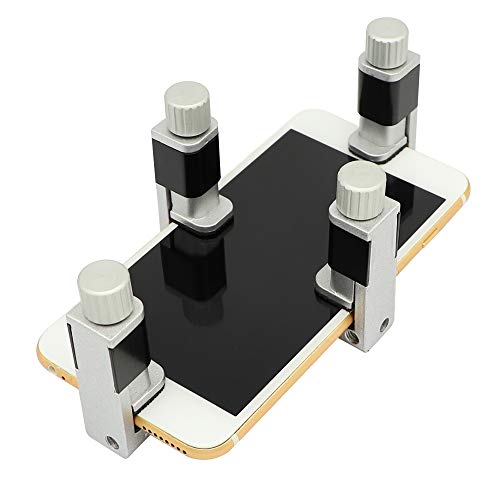
DIYPHONE 4Pcs Phone Screen Repair Tools Adjustable Screen Fastening Clamp Universal Screen Clip Fixture Tools Compatible for iPhone, iPad, Samsung, Computer, Laptops, Tablets, LCD Screen Repair
Adjustable holder for telephone screen opening repair on most mobile phone and tablets
As an affiliate, we earn on qualifying purchases.
As an affiliate, we earn on qualifying purchases.
Frequently Asked Questions
How Do I Handle Disagreements Over Smartphone Use?
When disagreements over smartphone use arise, you should focus on establishing boundaries through respectful communication. Listen to each other’s concerns without interrupting, then calmly share your feelings and reasons. Work together to set clear, fair rules that respect both of your needs. Remember, consistency and understanding help build trust, so regularly revisit your boundaries and adjust them as needed to guarantee both of you feel valued and heard.
What Are Signs My Partner Is Secretive About Their Phone?
If your partner is secretive about their phone, you might notice signs like sudden privacy concerns, avoiding shared device use, or guarding their screen excessively. They may also become defensive when you ask about their messages or notifications. These behaviors can signal emotional boundaries or privacy concerns. Trust is key, so consider having an open conversation about boundaries and feelings, rather than jumping to conclusions.
How Can I Rebuild Trust After a Smartphone Breach?
Imagine rebuilding a fragile bridge after a storm; you start by establishing clear, consistent digital boundaries that show your commitment to honesty. To restore trust after a smartphone breach, openly discuss what happened and listen without judgment. Practice transparency and patience, allowing time for healing. By setting these trust-building steps, you create a safe space for your relationship to grow stronger and more resilient, symbolizing renewed faith and understanding.
What Apps Help Monitor or Limit Device Usage Ethically?
You can use apps with parental controls or app blockers to monitor or limit device usage ethically. These tools help you set boundaries, restrict access to certain apps, and manage screen time without invading privacy. Popular options include Qustodio, Bark, and OurPact, which offer customizable controls. By using these apps responsibly, you foster trust and ensure healthy tech habits while respecting privacy boundaries.
How Do I Balance Privacy With Transparency in Relationships?
Oh, the sweet dance of privacy boundaries and digital honesty—like playing hide and seek with your secrets. To balance them, you need transparency without revealing everything. Share enough to build trust, but respect each other’s privacy boundaries. Be honest about your intentions, and encourage open conversations. Remember, trust thrives when both of you feel secure, not scrutinized. Keep the digital honesty flowing, but don’t forget, privacy is the secret ingredient.

Easy App 2 Pack for iPhone 14/13/13 Pro Privacy Screen Protector, Anti Spy 9H Hardness Privacy Tempered Glass with Easy Installation Tool, Anti Scratch, Auto Dust Removal, Drop Resistance
[Compatibility] This iPhone 14/13/13 Pro privacy screen protector is only suitable for iPhone 14/13/13 Pro, not for any…
As an affiliate, we earn on qualifying purchases.
As an affiliate, we earn on qualifying purchases.
Conclusion
Imagine your smartphone as a trusted companion, not a shadow lurking in the background. By setting clear boundaries, you create a safe space where trust can flourish. Picture a bright, open door instead of a closed, guarded window—your boundaries keep distractions out and connection in. When you take control, you turn your device into a tool that empowers and respects your boundaries. Trust begins with you—set those rules and watch your relationships thrive.

The Brick Phone Access Blocker Device – Subscription-Free Phone Lock, Limits Smartphone Access, Reduces Screen Time & Improves Focus – High-Grade Magnet & Anti-Slip Silicone
Take Back Control of Your Screen Time: Brick is a physical device that temporarily removes distracting apps and…
As an affiliate, we earn on qualifying purchases.
As an affiliate, we earn on qualifying purchases.

Digital Boundaries Workbook for Families: A Guided Tool to Talk About Technology, Set Rules, and Build Healthy Screen Habits Together
As an affiliate, we earn on qualifying purchases.
As an affiliate, we earn on qualifying purchases.