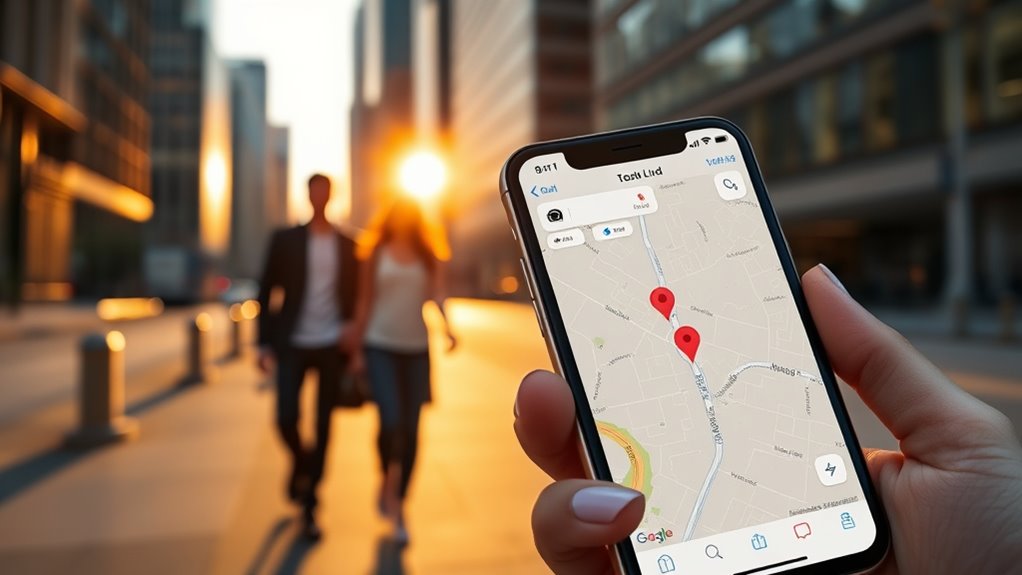

Using GPS to track your spouse can bring peace of mind and guarantee safety, especially if schedules are unpredictable. However, it can also harm trust and invade privacy, potentially causing emotional damage or resentment. Relying on surveillance might signal distrust and make honest communication more difficult. Prioritizing open conversations and respect often lead to healthier relationships. To understand how to navigate this tricky situation and consider your options, explore further insights below.
Key Takeaways
- GPS tracking can provide peace of mind but may also invade privacy and damage trust in a relationship.
- It can be helpful during emergencies or for safety, but risks harming mutual respect if done secretly.
- Tracking without consent often leads to mistrust, emotional harm, and relationship deterioration.
- Open communication and addressing underlying issues are healthier alternatives to monitoring.
- Responsible use of technology should prioritize honesty, respect, and mutual understanding over surveillance.
If you’re considering GPS tracking your spouse, it’s important to understand both the benefits and the ethical implications involved. On one hand, GPS trackers can provide peace of mind by letting you know where your spouse is at any given moment, especially if they frequently travel for work or have unpredictable schedules. You might feel more secure knowing that they’re safe or that they’re where they say they are. However, this technology also raises significant privacy concerns and can deepen trust issues within your relationship. Tracking someone without their knowledge can feel like an invasion of privacy, which could damage the foundation of mutual respect and honesty you’ve built. It’s crucial to consider whether your intentions are rooted in genuine concern or if they stem from deeper issues like insecurity or suspicion.
GPS tracking your spouse can provide peace of mind but risks invasion of privacy and trust damage.
Using GPS trackers might seem like an easy fix for doubts you’re experiencing, but it can create a cycle of mistrust that’s hard to break. When you constantly monitor your spouse’s whereabouts, it can send a message that you don’t trust them to be honest or responsible on their own. This erosion of trust can lead to more suspicion, arguments, and emotional distance, ultimately harming your relationship more than any GPS device could help. You might think that tracking will clarify doubts, but in reality, it often complicates things, making it harder to communicate openly. If your partner finds out they’re being watched, it could feel like a betrayal, which may cause resentment and even push them further away.
Before you decide to GPS track your spouse, consider having an honest conversation about your concerns. Addressing trust issues directly often leads to healthier solutions than surveillance. If privacy concerns are causing you anxiety, try to identify the root of those feelings. Are you genuinely worried about their safety, or are you feeling insecure about the relationship? Sometimes, addressing these feelings openly can strengthen your connection and rebuild trust without the need for invasive measures. Remember, privacy is a fundamental aspect of any relationship, and respecting each other’s boundaries helps foster genuine intimacy and understanding.
Additionally, understanding the importance of contrast ratio and how it impacts visual clarity can be applied to assessing transparency and trust in relationships, emphasizing that clarity in one area often reflects overall health. Ultimately, GPS tracking your spouse isn’t just a technical decision; it’s a moral one. Weigh the potential benefits against the possible damage it could do to your relationship. Be honest with yourself about your motivations and the impact it might have on your partner’s sense of autonomy and trust. While technology can offer reassurance, it shouldn’t replace honest communication and mutual respect. If you choose to proceed, do so cautiously, and be prepared for the possible consequences to your relationship’s emotional health.
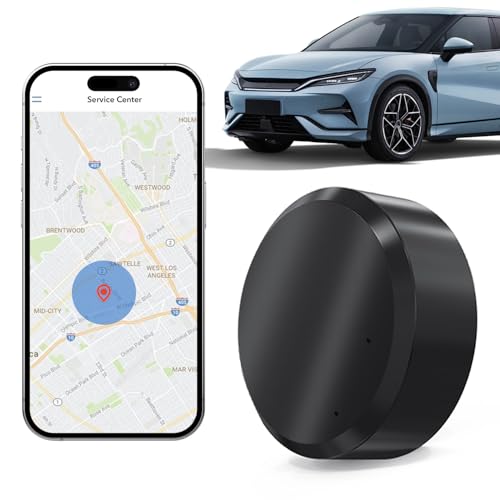
Mini GPS Tracker for Vehicles: Tracker Device for Vehicles No Subscription No Monthly Fee Car Tracker Device Hidden Magnetic Real-Time Tracking for Cars Kids Dogs (GF11-N2)
Real-Time GPS Tracking: Experience the convenience of our GPS tracker for vehicles, providing precise positioning and real-time location…
As an affiliate, we earn on qualifying purchases.
As an affiliate, we earn on qualifying purchases.
Frequently Asked Questions
Can GPS Tracking Be Legally Used Without Spouse’s Consent?
You can’t legally use GPS tracking without your spouse’s consent, as doing so may invade their privacy and lead to legal trouble. Many jurisdictions consider this a privacy invasion, and using tracking devices without consent raises serious consent concerns. If you’re thinking about monitoring your spouse, it’s best to discuss it openly to avoid potential legal issues and maintain trust, rather than risking the consequences of unauthorized GPS tracking.
What Are the Psychological Impacts of Spying on a Partner?
Spying on your partner can lead to significant psychological impacts, including privacy invasion and emotional distress. You might feel guilty or anxious, which can erode trust and damage your relationship. Constant monitoring may create paranoia or insecurity, making it hard to maintain healthy communication. Recognize that invading your partner’s privacy can backfire, causing more harm than good, and it’s often better to address concerns openly rather than resorting to spying.
How Accurate Are Commercial GPS Tracking Devices?
You’ll find that commercial GPS tracking devices are generally accurate within 5 to 10 meters, making them quite reliable for most purposes. However, privacy concerns arise because tracking accuracy can vary depending on environmental factors like tall buildings or dense foliage. While these devices provide useful location data, you should consider how tracking impacts privacy and trust, especially since no device guarantees perfect precision all the time.
What Are Alternative Ways to Build Trust Without Tracking?
To build trust without tracking, focus on honest communication strategies that address trust issues directly. Share your feelings openly and listen actively to your partner’s concerns. Establish consistent transparency and set mutual boundaries to foster security. Avoid surveillance tactics, which can damage trust long-term. Instead, invest in quality time and reassurance, showing your commitment and respect. This approach strengthens your relationship naturally and builds a foundation of genuine trust.
How to Handle Privacy Concerns When Using GPS Tracking?
You can handle privacy concerns by prioritizing consent considerations and openly discussing GPS tracking with your spouse. Make sure they understand how the data will be used and respect their comfort levels to prevent privacy invasion. Transparency fosters trust, so involve them in decisions and set clear boundaries. Regularly revisit these conversations to ensure both of you feel secure and respected, minimizing any potential privacy issues.

PAPASAFETY 3-in-1 Personal Alarm with Apple Find My – 130dB Emergency Siren, LED Strobe Flashlight, GPS Tracker Keychain for Women, Kids, Seniors – Real-Time Location, iOS Only 02
3-in-1 Safety Alarm, GPS Tracker & Flashlight – Combines a 130dB personal safety alarm, Apple Find My item…
As an affiliate, we earn on qualifying purchases.
As an affiliate, we earn on qualifying purchases.
Conclusion
Thinking about GPS tracking your spouse is like holding a double-edged sword—you might feel safer, but you could also cut into trust. Before you tap into that technology, ask yourself if it strengthens your bond or cuts it apart. Sometimes, open communication is the true GPS that guides your relationship in the right direction. Remember, the most important journey is built on trust, not surveillance. Choose wisely; your relationship deserves a clear path.

GPS Android Air Tracker Tags Device for Car and Vehicles,2 Year Battery Life & 2pcs Hidden Magnetic case,Trackers for Tracking Vehicle,2pcs GPS Tracker,No Monthly Fee for Android and iPhone
📱 Global Cloud Positioning – Works with both Google's Find Hub and Apple Find My (Not for Huawei)
As an affiliate, we earn on qualifying purchases.
As an affiliate, we earn on qualifying purchases.
Mini GPS Tracker for Vehicles: Tracker Device for Vehicles No Subscription No Monthly Fee Car Tracker Device Hidden Magnetic Real-Time Tracking for Cars Kids Dogs (GF11-N2)
Real-Time GPS Tracking: Experience the convenience of our GPS tracker for vehicles, providing precise positioning and real-time location…
As an affiliate, we earn on qualifying purchases.
As an affiliate, we earn on qualifying purchases.