Biometric data like fingerprints and facial scans are designed for security, but they can also reveal personal details, including infidelity, if misused or hacked. While these identifiers don’t directly expose private behaviors, unauthorized access or spyware might track or analyze biometric info in ways that uncover hidden connections or activities. If you’re curious about how your biometric info could be exploited or reveal sensitive details, there’s more to uncover about these vulnerabilities and safeguards.
Key Takeaways
- Biometric data like fingerprints and Face ID are not designed to detect infidelity; they only verify identity, not intent or actions.
- Accessing someone’s biometric data without consent breaches privacy and may lead to legal consequences.
- Biometric systems do not reveal personal behaviors or relationship details; they only authenticate identity.
- Using biometric data to infer infidelity involves invasive monitoring, raising privacy and ethical concerns.
- Trustworthy detection of infidelity relies on communication, not biometric verification or hacking.
In today’s digital world, your biometric data—like fingerprints and facial scans—are increasingly used for security and convenience. But as these technologies become more integrated into daily life, concerns about privacy invasion and technological misuse grow. You might not realize it, but your biometric information isn’t just a secure key; it’s a sensitive personal detail that, if mishandled, can lead to serious privacy breaches. When companies or malicious actors misuse this data, it could be used to track your movements, access private information, or even manipulate you without your consent.
Many people don’t fully understand how their biometric data is stored or shared. It’s often kept in databases that are vulnerable to hacking or unauthorized access. Imagine your fingerprint or facial scan being stolen and used for purposes you never agreed to—like identity theft or surveillance. This is where privacy invasion becomes real. The more your biometric data is shared across platforms or stored on servers, the higher the risk of it falling into the wrong hands. You might think it’s a secure, foolproof method for authentication, but technological misuse can turn it into a tool for malicious purposes.
Sharing biometric data increases the risk of hacking and misuse.
Some tech companies claim that biometric identification is more secure than passwords, but that doesn’t mean it’s invulnerable. If your biometric data is compromised, it’s not like resetting a password; you can’t change your fingerprints or face. This permanence makes privacy invasion even more damaging. additionally, the potential for misuse extends beyond theft—biometric data can be used to monitor your activities or even manipulate your decisions via targeted advertising or behavioral analysis. Understanding how biometric data is stored or shared can help you better protect yourself from potential threats.
When you consider biometric authentication for personal or professional use, it’s essential to understand the risks involved. You may be unknowingly exposing yourself to privacy invasion if you’re not aware of how your data is handled. It’s crucial to read privacy policies carefully and ask questions about data security. While these systems do offer convenience, they also open doors for technological misuse if safeguards aren’t strictly enforced.
Ultimately, your biometric data is a double-edged sword. It can make life easier, but it also requires vigilance. Being aware of how your fingerprints or face ID are stored, shared, or potentially misused can help you take steps to protect your privacy. Remember, no security system is completely foolproof, and the more you understand about the risks, the better you can safeguard yourself against the threats lurking behind the convenience.

The Data Protection Guidebook: A Survey of U.S. Federal and State Laws, Statutes, and Regulations Governing Data Breach Notification, Biometric Information, Cybersecurity, and Data Privacy
As an affiliate, we earn on qualifying purchases.
As an affiliate, we earn on qualifying purchases.
Frequently Asked Questions
Can Biometric Data Be Manipulated or Hacked for Malicious Purposes?
Yes, biometric data can be manipulated or hacked for malicious purposes. Hackers exploit vulnerabilities in security systems, especially if data encryption isn’t strong enough, making biometric info susceptible to theft. You should be aware that sophisticated hacking techniques can bypass facial recognition or fingerprint security, risking your privacy. Always guarantee your devices use robust encryption and stay updated on security patches to minimize these hacking vulnerabilities.
Are There Legal Protections Against Using Biometric Data for Betrayal or Blackmail?
Is your trust protected? Yes, legal safeguards exist to prevent using biometric data for betrayal or blackmail. Laws like the GDPR and U.S. data privacy statutes emphasize ethical considerations, ensuring your biometric information isn’t exploited maliciously. These protections aim to keep your sensitive data secure, holding violators accountable. So, while technology advances, your privacy rights stand firm, defending you against betrayal and misuse of your biometric identity.
How Accurate Are Biometric Systems in Detecting Infidelity or Deception?
Biometric systems for lie detection and emotional analysis are not highly accurate in detecting infidelity or deception. They often rely on physiological responses like heart rate or facial expressions, which can be influenced by many factors. While they may offer some insights, you shouldn’t solely depend on them, as false positives are common. Use these tools as supplementary, not definitive, evidence when evaluating honesty or emotional states.
What Are the Privacy Implications of Biometric Surveillance in Personal Relationships?
You face serious privacy implications with biometric surveillance in personal relationships. Without clear consent, collecting and using data like fingerprints or Face ID violates trust and can lead to legal issues. You might also struggle with data ownership, unsure of who controls or can access your biometric info. Protect your privacy by understanding these issues, ensuring mutual agreement, and being cautious about sharing sensitive biometric data in your relationships.
Could Biometric Data Be Used to Falsely Accuse Someone of Infidelity?
Yes, biometric data could be used to falsely accuse you of infidelity through fake biometric evidence or false fingerprinting. Someone might manipulate or forge biometric data, making it appear as if you were somewhere you weren’t or committing acts you didn’t. This misuse highlights the risks of relying on biometric systems, as they can be tampered with, leading to wrongful accusations and damaging your trust and reputation.

Yubico – YubiKey 5C NFC – Multi-Factor authentication (MFA) Security Key and passkey, Connect via USB-C or NFC, FIDO Certified – Protect Your Online Accounts
POWERFUL SECURITY KEY: The YubiKey 5C NFC is the most versatile physical passkey, protecting your digital life from…
As an affiliate, we earn on qualifying purchases.
As an affiliate, we earn on qualifying purchases.
Conclusion
Just like a fragile glass shattered by a single slip, relying on biometric data to uncover infidelity can backfire. These digital fingerprints and face IDs might seem like impenetrable vaults, but they’re still vulnerable to deception and manipulation. In this high-tech maze, trust is the only true compass. Remember, when it comes to love, no fingerprint or face ID can truly reveal what’s hidden beneath the surface—sometimes, you need to look beyond the screen.

Ulecoce Fingerprint Keypad Deadbolt with Handle Set, Keyless Entry Door Lock, Door Locks for Front Door Lock Set, App Control, Auto Locking, Easy to Install, Matte Black
Latest Instruction Manual: The latest version is now available on the product page. Please review it before installation…
As an affiliate, we earn on qualifying purchases.
As an affiliate, we earn on qualifying purchases.
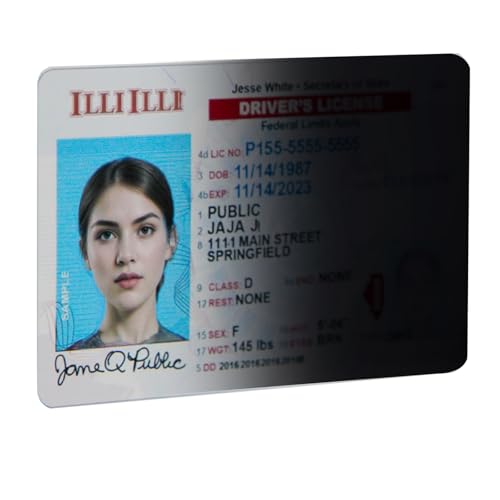
Anti Spy Card Protector Holders/Sticker PVC Material 8pcs Privacy Protection Waterproof for Credit License ID Business Social Security New Medicare Card Protect (Sticker)
High Quality Material: The credit card sticker is designed with PVC plastic material. They are waterproof and can…
As an affiliate, we earn on qualifying purchases.
As an affiliate, we earn on qualifying purchases.