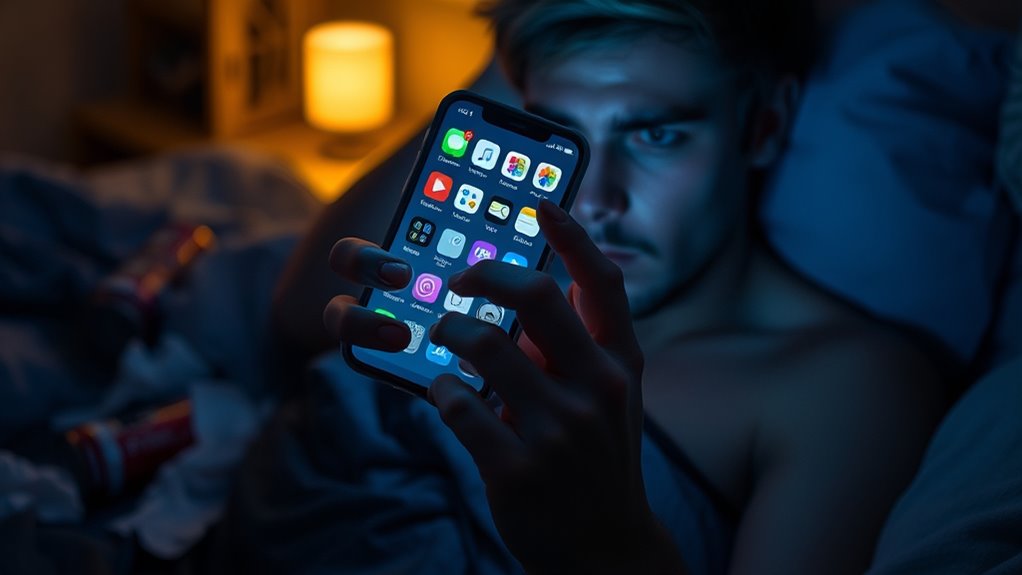

Yes, dating apps are designed to exploit your brain’s reward system, encouraging addiction through neurochemical triggers like dopamine releases with each swipe or message. They reinforce behaviors by offering constant validation and success cues, making you chase that quick feeling of pleasure. Over time, this can turn casual use into compulsive habits, affecting your mental health and real-life relationships. Discovering these tactics can help you regain control and break free from this cycle.
Key Takeaways
- Dating apps trigger dopamine release, reinforcing behavior and creating addictive neurochemical cycles similar to gambling or substance addiction.
- Their algorithms are designed to maximize engagement, exploiting users’ desire for validation and heightening craving for responses.
- Repeated reward experiences from matches and messages reinforce habit formation, leading to compulsive checking and scrolling.
- These platforms rewire brain pathways to prioritize quick gratification over real-world interactions, fostering dependency.
- Awareness of these mechanisms can help users develop healthier habits and prevent unintentional addiction to dating apps.
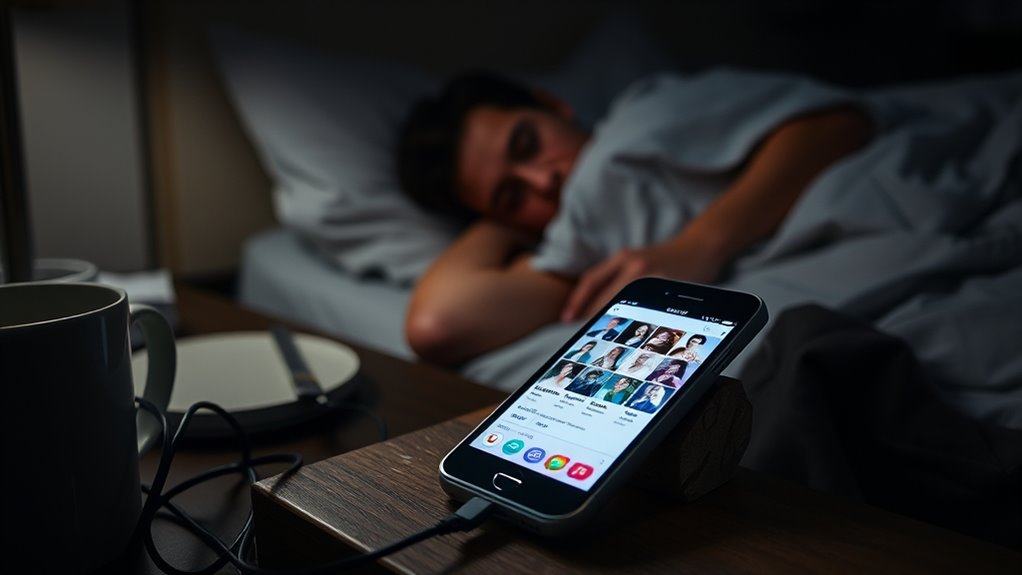
Have you ever wondered how technology can fuel addictive behaviors? When it comes to dating apps, the answer lies in their ability to tap into your brain’s neurochemical impacts and behavioral reinforcement mechanisms. These apps are designed to keep you engaged, often at the expense of your well-being, by triggering immediate pleasure responses. Every swipe, match, or message can lead to a rush of dopamine — the neurotransmitter associated with reward and pleasure. This neurochemical impact creates a cycle where your brain starts craving that surge, prompting you to keep scrolling and checking notifications. Over time, this reinforcement strengthens your habit of seeking validation and excitement through the app, making it harder to disconnect.
Dating apps trigger dopamine hits, reinforcing habits and making it hard to disconnect from digital validation.
The way dating apps are engineered to maximize user engagement is no accident. They employ algorithms that adapt to your preferences, providing a steady stream of potential matches and messages that elicit positive feelings. This constant availability of dopamine hits operates as a form of behavioral reinforcement, encouraging you to return repeatedly. Each successful match or flirtation acts as a reward, reinforcing the behavior and creating a loop where seeking instant gratification becomes instinctive. As you become more dependent on this cycle, it can lead to addictive patterns similar to those seen in substance use or gambling. The more you chase that fleeting high, the more your brain rewires itself to prioritize these quick hits over other activities or real-life connections.
Furthermore, the design of these apps plays on your desire for social validation. When you receive a match or a message, your brain interprets it as social reward, further activating the reward pathways. Over time, this can lead to increased reliance on digital validation rather than genuine human interactions. The constant stimulation and anticipation can also heighten your craving for more, making it difficult to set boundaries or stop using the app. This cycle of neurochemical impacts and behavioral reinforcement can subtly but powerfully shape your habits, turning what started as a casual activity into a compulsive one.
In essence, dating apps are more than just tools for finding love; they are carefully crafted systems that exploit your brain’s chemistry and reinforcement learning to keep you hooked. Recognizing these mechanisms is the first step towards regaining control and preventing addiction. By understanding how neurochemical impacts and behavioral reinforcement work together, you can better navigate your relationship with technology, ensuring it serves you rather than controls you.
Dopamine detox apps
As an affiliate, we earn on qualifying purchases.
As an affiliate, we earn on qualifying purchases.
Frequently Asked Questions
How Do Dating Apps Impact Long-Term Relationship Satisfaction?
Dating apps can impact your long-term relationship satisfaction by influencing emotional intimacy and relationship stability. If you rely heavily on these apps, you might find it harder to build deep connections, which can weaken emotional intimacy. Over time, this may threaten your relationship’s stability, leading to dissatisfaction. To avoid this, focus on genuine communication and quality time with your partner, fostering trust and emotional closeness that support lasting satisfaction.
Are Certain Demographics More Susceptible to Tech-Related Sex Addiction?
You might be more susceptible to tech-related sex addiction if you’re a teenager or influenced by certain cultures that normalize online intimacy. Teenagers often have heightened vulnerability due to ongoing brain development and peer pressure. Cultural influences can also shape your attitudes toward sex and technology, making you more prone to addictive behaviors. Staying aware of these factors helps you recognize risks and manage your online activity responsibly.
What Signs Indicate Someone Is Developing an Addiction to Dating Apps?
You might notice behavioral cues like constantly checking your phone, neglecting responsibilities, or feeling anxious when not using dating apps. Emotional signs include increased loneliness, mood swings, or feeling unable to control your usage. These signs suggest you’re developing an addiction. Recognizing these early helps you take steps to balance your habits—so stay mindful of how dating apps impact your mental health and daily life.
Can Technology Use Interfere With Real-Life Intimacy and Emotional Bonds?
Technology use can interfere with real-life intimacy by fostering virtual intimacy that replaces face-to-face connections. You might find yourself emotionally disconnected from loved ones as you prioritize online interactions, which often lack depth and genuine connection. This can lead to feelings of loneliness and hinder your ability to build meaningful relationships. To maintain healthy bonds, it is crucial to balance virtual engagement with real-world interactions and nurture emotional closeness offline.
What Strategies Can Help Reduce Dependency on Dating Apps for Validation?
Like a modern-day knight, you can break free from dating app dependency by practicing mindfulness techniques that focus your attention on the present moment. Incorporate regular digital detoxes, setting specific times to disconnect from your devices. This helps you build self-validation skills outside of apps, reducing reliance on external approval. Over time, you’ll strengthen your emotional resilience and foster healthier, more genuine connections beyond the screen.

200 Addiction Recovery Cards for Engaging Group Therapy & Conversations – Icebreaker Tools for Addressing Substance Abuse, Mental Health Enhancement, and Preventing Relapse
Addiction Recovery Facilitator – It’s more than a card game; it's a journey towards a healthier self. Crafted…
As an affiliate, we earn on qualifying purchases.
As an affiliate, we earn on qualifying purchases.
Conclusion
As you explore the impact of dating apps, remember that over 60% of users admit to feeling addicted or compulsive about swiping. This statistic highlights how technology can fuel addictive behaviors, blurring the line between healthy connection and dependency. While these apps offer convenience, they also pose risks of fostering addictive tendencies. Stay mindful of your usage, and prioritize genuine connections over endless scrolling to protect your well-being in this digital age.
Mindfulness apps for tech addiction
As an affiliate, we earn on qualifying purchases.
As an affiliate, we earn on qualifying purchases.

Habit Stress Relief Supplement (60 Capsules) – New Look, Supports Relaxation & Mood Balance, Vitamin B, Adaptogens, Lemon Balm, Calming, Vegan, Non-GMO (1 Pack)
UNWIND YOUR MIND: Say yes to less stress. HABIT's Stress Relief supplement helps support a healthy stress response…
As an affiliate, we earn on qualifying purchases.
As an affiliate, we earn on qualifying purchases.