
TL;DR

Get gifts for the two of you delivered free with Prime
- Fast, free delivery on millions of items
- Prime Video, Amazon Music and more included
- Member-only deals all year
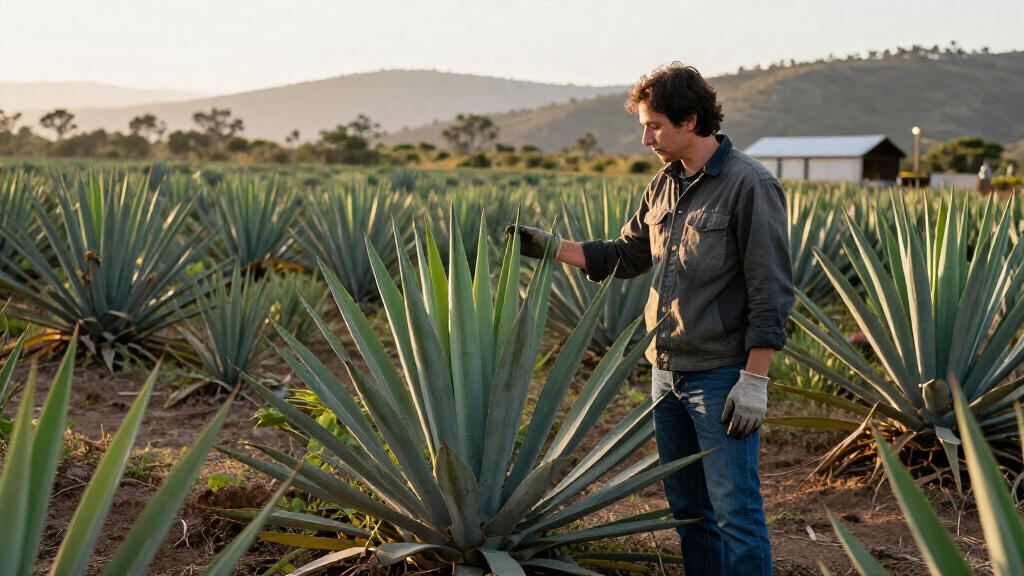
Tequila producers are expanding rapidly to meet rising global demand, but this growth is causing environmental issues such as deforestation and water depletion. Experts warn of long-term ecological consequences, though industry officials dispute the severity. The development highlights the need for sustainable practices in the spirits industry.
Tequila producers are expanding at a rapid pace, driven by increasing global demand, but this growth is raising serious environmental concerns. Experts warn that the industry’s expansion could lead to significant ecological damage, including deforestation and water shortages, which threaten local ecosystems and communities. This development underscores the challenge of balancing economic growth with sustainability in the spirits sector.
Over the past two years, tequila production has surged by approximately 30%, according to industry reports from the Tequila Regulatory Council (CRT). Major producers have announced plans to increase agave cultivation and expand distillery capacities across Mexico, the world’s primary source of tequila. This rapid expansion is driven by rising demand in North America, Europe, and Asia, where tequila has become increasingly popular among consumers seeking premium spirits.
However, this growth comes with environmental costs. Environmental organizations and local communities have reported instances of deforestation in key agave-growing regions, especially in the states of Jalisco and Nayarit. Satellite data analyzed by environmental NGOs indicate that large tracts of native forests are being cleared to create new plantations, disrupting local biodiversity and contributing to soil erosion.
Water scarcity is another pressing concern. Agave cultivation requires significant water resources, and in some regions, water tables are dropping sharply. Local residents and farmers have reported wells running dry, and environmental experts warn that continued expansion could exacerbate water shortages, impacting both ecosystems and human populations. Despite these concerns, industry representatives claim that they are implementing sustainable practices and that environmental impact assessments are ongoing.
Environmental Impact of Rapid Industry Expansion
The rapid growth of tequila production has significant environmental implications. Deforestation threatens biodiversity and contributes to climate change, while water depletion risks affecting local communities and agriculture. This situation highlights the need for stricter sustainability standards and responsible cultivation practices within the industry.
As an affiliate, we earn on qualifying purchases.
Growth Drivers and Industry Expansion Timeline
The tequila industry has experienced a steady increase in global demand over the past decade, with exports doubling since 2015. The rise is partly due to marketing campaigns and the growing popularity of premium spirits among younger consumers. Major brands and new entrants alike have announced large-scale investments in agave plantations and distilleries, aiming to capitalize on this trend.
Historically, tequila production was localized and relatively small-scale, but recent years have seen a shift toward industrial-scale cultivation. Critics argue that this shift prioritizes profit over environmental stewardship, leading to unchecked expansion. The industry’s growth has also coincided with land-use changes in Mexico’s key agave regions, raising concerns among conservationists and local residents.
“The scale of deforestation in tequila-growing regions is alarming, and if unchecked, it could lead to irreversible ecological damage.”
— Maria Lopez, Environmental NGO Director
As an affiliate, we earn on qualifying purchases.
Extent of Environmental Damage and Industry Response
It is still unclear how severe the environmental impact will become in the long term. While satellite data and local reports point to significant deforestation and water shortages, comprehensive impact assessments are ongoing. Industry responses vary, with some companies adopting sustainability measures, while others have yet to demonstrate concrete actions.
As an affiliate, we earn on qualifying purchases.
Monitoring, Regulations, and Industry Reforms
Environmental groups and government agencies are expected to increase monitoring efforts and enforce stricter regulations on land use and water management. Industry stakeholders may face pressure to adopt more sustainable practices, and further research will clarify the long-term ecological consequences of the current expansion. The upcoming years will be critical in determining whether the tequila industry can balance growth with environmental responsibility.
As an affiliate, we earn on qualifying purchases.
Key Questions
The primary concerns include deforestation, loss of biodiversity, and water shortages in key agave-growing regions.
Are tequila companies taking steps to address environmental issues?
Some companies claim they are implementing sustainable practices and conducting impact assessments, but the overall industry response varies and is still under review.
How does tequila expansion affect local communities?
Local communities face challenges such as water scarcity and land loss due to deforestation, impacting their livelihoods and ecosystems.
What regulations exist to control environmental impact in tequila production?
Mexico’s environmental agencies have guidelines, but enforcement and compliance vary. Ongoing discussions aim to strengthen regulations and promote sustainable practices.
What can consumers do to support sustainable tequila?
Consumers can choose brands that prioritize sustainability, verify certifications, and support initiatives aimed at reducing environmental impact.
Source: rss
Fall Picks
fall essentials
As an affiliate, we earn on qualifying purchases.