To prevent cheating, focus on strengthening your relationship proactively by fostering open communication and emotional intimacy. Be honest about your feelings, listen to your partner, and create a safe space for discussing difficult topics. Set clear boundaries on behaviors and social media use, demonstrating mutual respect. Continuously nurture trust through consistent effort and appreciation. Maintaining these practices helps build a resilient bond, making betrayal less likely—discover how you can put these strategies into action for a stronger relationship.
Key Takeaways
- Engage in honest, open communication about feelings, fears, and hopes to build emotional intimacy and trust.
- Create a safe environment for discussing difficult topics calmly to deepen understanding and prevent misunderstandings.
- Set clear boundaries and expectations regarding social interactions and emotional commitments to reinforce mutual respect.
- Continuously invest in each other’s happiness and stability to foster trust and reduce external temptations.
- Actively nurture the relationship through regular appreciation, emotional connection, and ongoing effort to maintain strong bonds.

Maintaining trust is essential for a healthy relationship, and preventing cheating starts with open communication and mutual respect. When you prioritize emotional intimacy, you create a strong foundation that discourages any temptation to stray. Emotional intimacy involves sharing your feelings, fears, and hopes honestly, which helps both of you feel connected and understood. By fostering this closeness, you build trust naturally, making it less likely for either of you to seek validation outside the relationship. Remember, trust building isn’t a one-time effort; it’s a continuous process that requires effort and attention from both partners. Regularly check in with each other, express appreciation, and be receptive to your partner’s needs. When you show genuine interest and understanding, you reinforce the bond, making it resilient against external temptations.
Building trust through open communication and emotional intimacy strengthens your relationship against external temptations.
You also need to be proactive in creating a safe space where both of you feel comfortable discussing difficult topics. Avoiding uncomfortable conversations can lead to misunderstandings and mistrust, which are fertile ground for infidelity. When issues arise, address them calmly and honestly, showing your partner that their feelings matter and that you’re committed to resolving problems together. This openness not only helps in resolving conflicts but also deepens your emotional intimacy, further strengthening trust.
Setting clear boundaries is another vital step. You shouldn’t assume your partner knows what’s acceptable or not; instead, discuss your expectations openly. Boundaries might include how you handle interactions with others, social media behaviors, or emotional commitments. When both of you agree on these boundaries, it minimizes ambiguity and potential missteps. Respecting each other’s limits demonstrates mutual trust and reinforces your commitment to each other’s well-being.
Additionally, understanding the importance of trust as a core element of a healthy relationship can help you recognize areas where you might need to strengthen it. When both partners invest in their own happiness and stability, it creates a more secure environment where cheating is less likely to occur. Remember, preventing cheating isn’t just about avoiding bad behavior; it’s about actively nurturing your relationship through emotional intimacy, trust building, honest communication, and mutual respect. These efforts help you create a resilient partnership where both of you feel valued, understood, and committed for the long haul.

Keppi Adjustable Dumbbells Set-25lb Pair, Anti-Slip Metal Fast Adjust Weight Handle, Exercise & Fitness for Full Body Workout -DBA25(Pair)
【5-in-1 Space-Saving Design】With a compact single-dumbbell size of only 14.2"L × 7.5"W × 6.3"H, KEPPI Adjustable Dumbbell replaces...
As an affiliate, we earn on qualifying purchases.
Frequently Asked Questions
How Can I Rebuild Trust After Infidelity Occurs?
To rebuild trust after infidelity, you need to focus on trust recovery through honesty and open communication. Be transparent about your feelings and actions, and listen actively to your partner’s concerns. Show consistent, trustworthy behavior over time, and avoid hiding anything. Patience is key; trust takes time to heal. By staying committed to honesty and maintaining clear communication, you can gradually restore the foundation of your relationship.
What Are Subtle Signs My Partner Might Cheat?
Look for trust indicators like sudden secrecy or changes in communication habits—these are like flickering lights signaling trouble. You might notice suspicious behaviors such as increased privacy, unexplained absences, or emotional distancing. Stay alert to these subtle signs, but don’t jump to conclusions. Trust your intuition, observe consistently, and communicate openly. Recognizing these signals early helps you address concerns before they grow into bigger issues.
How Does Emotional Intimacy Prevent Cheating?
Emotional intimacy prevents cheating because it fosters emotional vulnerability and trust between you and your partner. When you share your feelings honestly and practice trust exercises together, you build a strong bond that discourages betrayal. This deep connection makes both of you feel valued and secure, reducing the temptation to seek affection elsewhere. By nurturing emotional intimacy, you create a resilient relationship built on openness and mutual support.
Can Long-Distance Relationships Reduce Cheating Risks?
Yes, long-distance relationships can reduce cheating risks when you establish clear trust boundaries and maintain honesty practices. You actively communicate regularly, share your feelings openly, and set mutual expectations to strengthen your connection. By prioritizing transparency and respecting each other’s boundaries, you create a foundation of trust that discourages dishonesty. This proactive approach helps both of you feel secure, making cheating less likely despite the physical distance.
What Role Does Jealousy Play in Preventing Cheating?
Jealousy can be a powerful emotion that helps prevent cheating if managed well. It signals trust issues or possessiveness that you need to address openly. When you communicate your feelings honestly, jealousy becomes a tool to strengthen your bond rather than tear it apart. By understanding and controlling these emotions, you build a foundation of trust, making it less likely your partner will stray, because they feel valued and secure.

Core Fitness® Adjustable Dumbbell Weight Set By Affordable Dumbbells - Adjustable Weights - Space Saver - Weights - Dumbbells For Your Home -
Pair of adjustable dumbbells with quick and easy weight adjustments from 5 to 50 lbs each
As an affiliate, we earn on qualifying purchases.
Conclusion
To keep your relationship strong and cheat-proof, stay proactive and communicate openly. Regularly check in with your partner, nurture trust, and address issues before they grow into problems—think of it as your own personal Hippocratic oath to fidelity. Remember, love isn’t a quick fix but a continuous journey. By investing in each other daily, you’ll build a fortress of trust that withstands any tempests, proving that true devotion isn’t just a thing of yore but a present-day necessity.

BowFlex Results Series 552 SelectTech Dumbbells (Pair)
QUICK ADJUSTMENT DIALS: Switch between weight settings with a quick twist of the dials, from 5 to 52.5...
As an affiliate, we earn on qualifying purchases.
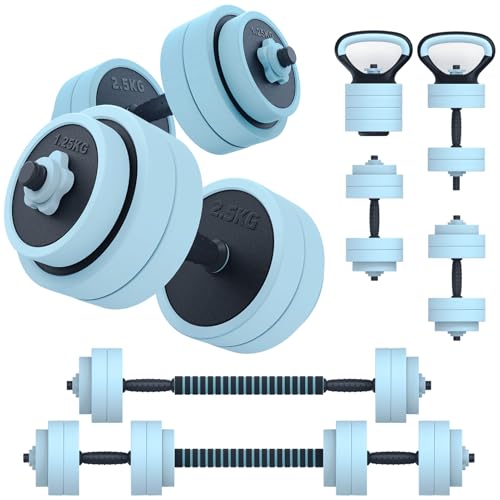
PASYOU Adjustable Dumbbell Set, 45lbs Free Weight Set with Connector, 5 in 1 Weight Set Used as Kettlebells, Barbell, Push up Stand, Fitness Exercises for Home Gym Suitable Men/Women
【5-in-1 Multifunctional Dumbbell Set】PASYOU adjustable dumbbell set quickly converts into dumbbells, barbell, kettlebell, push-up handles, and ab roller,...
As an affiliate, we earn on qualifying purchases.