

When betrayal trauma occurs, your brain may suppress certain memories to protect you from ongoing pain, but this defense can quietly drain your emotional resilience and well-being over time. You might feel disconnected, anxious, or numb without understanding why. Ignoring these signs only allows suppression to deepen, potentially causing trust issues or physical symptoms. Recognizing these subtle signs can help you begin healing. Exploring more reveals how understanding your brain’s response can help you regain strength and peace.
Key Takeaways
- Memory suppression from betrayal trauma acts as a protective mechanism, often leading to unnoticed emotional and cognitive difficulties.
- Suppressed memories can cause emotional numbness, anxiety, depression, and impact overall mental health over time.
- Avoiding betrayal memories may provide temporary relief but risks unresolved trauma affecting trust and relationships.
- Neural processes influence memory clarity; stress and trauma can blur or weaken the recall of betrayal events.
- Healing requires gentle strategies like therapy and mindfulness, emphasizing patience in gradually addressing suppressed memories.

Have you ever wondered why some people struggle to remember painful betrayals? It’s a question that taps into the complex ways our minds protect us from emotional pain. When betrayal cuts deep, your brain might respond by suppressing certain memories, making it harder to recall specific details. This isn’t just forgetfulness; it’s a defense mechanism designed to shield you from ongoing distress. But over time, this kind of memory loss can quietly take a toll, affecting your emotional resilience and overall well-being.
Memory suppression after betrayal is a protective response that can impact emotional resilience over time.
In those moments when you can’t remember exactly what happened, your mind might be employing coping mechanisms that, while initially helpful, can become problematic. Suppression of betrayal memories might allow you to get through daily life without constantly reliving hurt, but it also prevents you from processing the trauma fully. Without confronting what’s happened, unresolved feelings can fester beneath the surface, leading to emotional numbness, anxiety, or depression. You might find yourself feeling disconnected from your feelings or unsure about your own reactions, which is a sign that your emotional resilience is being tested. Understanding how brain response influences memory suppression can shed light on why these protective mechanisms develop.
The more you avoid dealing with betrayal memories, the more your mind might push them further away, believing that forgetting will bring peace. However, this avoidance often backfires, because unresolved betrayal can surface later in unexpected ways—through relationship issues, trust problems, or even physical symptoms. Recognizing that memory loss isn’t just forgetfulness but part of a larger emotional survival strategy is vital. It’s also important to understand how contrast ratio impacts the clarity and depth of images, which can be likened to how well your mind preserves or blurs certain memories under stress. Developing emotional resilience becomes key in this process. Instead of relying solely on suppression, developing healthy coping mechanisms—like therapy, journaling, or mindfulness—can help you gradually access and process those painful memories. Doing so allows you to integrate your experiences, reducing their power to control you from the shadows. Remember, confronting betrayal trauma isn’t about dredging up pain for its own sake; it’s about reclaiming your strength and restoring your capacity to trust and heal. When you understand that memory loss related to betrayal is a protective response, you can approach your healing journey with compassion and patience, knowing that overcoming this quiet toll is possible with the right support. Recognizing the protective nature of memory suppression can help you view your healing as a process of gentle uncovering rather than forced confrontation.

Trauma Healing Journal for Women: 90 Days Trauma Recovery Workbook with Prompts to Help Guide You Through Your Healing from Trauma | Self Help Gift for Adults
As an affiliate, we earn on qualifying purchases.
As an affiliate, we earn on qualifying purchases.
Frequently Asked Questions
Can Betrayal Trauma Cause Long-Term Cognitive Impairments?
Betrayal trauma can cause long-term cognitive impairments, especially if it affects your emotional resilience. You might notice difficulties with memory, concentration, or decision-making. This trauma can hinder your ability to rebuild trust, making recovery more challenging. Prioritizing emotional healing and support helps restore mental clarity. Over time, with the right strategies, you can strengthen your resilience and successfully rebuild trust, reducing lasting cognitive impacts.
How Quickly Does Memory Loss Typically Occur After Betrayal?
Memory loss after betrayal can happen surprisingly fast, sometimes within days or weeks. You might notice trust issues and emotional resilience weakening quickly as your brain struggles to process the trauma. About 60% of people report sudden memory lapses during intense emotional distress, highlighting how trauma impacts cognition. This rapid shift underscores the importance of addressing betrayal trauma early, helping you rebuild trust and strengthen emotional resilience over time.
Are Certain Types of Betrayal More Likely to Cause Memory Issues?
Yes, certain betrayals, especially trust violations like emotional neglect or infidelity, are more likely to cause memory issues. When you experience a deep trust violation, your brain may suppress details as a coping mechanism, leading to memory lapses. Emotional neglect can also impair your ability to process and recall events clearly. These types of betrayal hit core emotional needs, making your memory more vulnerable to disruption.
Can Therapy Reverse Betrayal-Related Memory Loss?
Think of your memory as a fragile glass, easily cracked by betrayal. Therapy can help, especially when it combines mindfulness techniques and builds emotional resilience. While it might not fully reverse memory loss, it helps you process trauma and regain clarity. Through patience and support, you can mend those cracks, strengthening your mind’s resilience and gradually restoring your sense of self and memories.
Is Betrayal Trauma Linked to Other Mental Health Conditions?
Yes, betrayal trauma is often linked to other mental health conditions like depression, anxiety, and post-traumatic stress disorder. You might find that your emotional resilience takes a hit, making it harder to cope. Building strong support systems and seeking therapy can help you process these interconnected issues, strengthen your resilience, and recover from the emotional toll betrayal causes. Addressing these conditions early improves your overall mental well-being.

BEST 100 Mindful Prompts for Self Care & Stress Relief | Cards to Reduce Anxiety & Increase Relaxation | Perfect Mindfulness Gift | Beyond Positive Affirmations | Meditations For Kids, Teens, & Adults
🌟 100 MINDFULNESS PROMPTS 🌟 This unique inspirational and reflective mindfulness deck contains 50 DOUBLE SIDED CARDS designed…
As an affiliate, we earn on qualifying purchases.
As an affiliate, we earn on qualifying purchases.
Conclusion
Understanding betrayal trauma and memory loss is like uncovering hidden wounds beneath the surface; it’s a quiet sign that something deeper is amiss. If you ignore these signs, the cost can grow like an unchecked wildfire, consuming more than you realize. Recognizing and addressing these issues isn’t just about healing—it’s about reclaiming your story before it slips through your fingers like grains of sand. Your journey to recovery begins with acknowledging what’s been quietly threatening your peace.

Ultra Pain Relief Cooling Pillow for Neck Support, Adjustable Cervical Pillow Cozy Sleeping, Odorless Ergonomic Contour Memory Foam Pillows, Orthopedic Bed Pillow for Side Back Stomach Sleeper
REVOLUTIONIZE YOUR SLEEP WITH THE INNOVATIVE HOLLOW CONCAVE DESIGN – Tired of waking up with neck pain and…
As an affiliate, we earn on qualifying purchases.
As an affiliate, we earn on qualifying purchases.
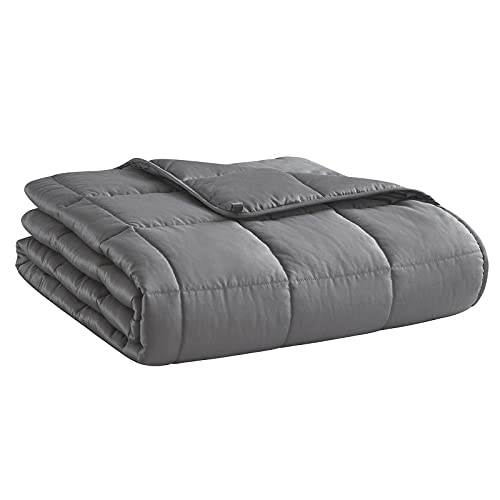
L'AGRATY Weighted Blanket for Adults- Dark Grey, 48"x72", 15lbs, Twin Full Size Heavy Throw Blanket, Cooling, Breathable, Microfiber with Glass Beads, Big, Washable, All-Season
Premuim Material: The weighted blanket is made of soft breathable microfiber material and filled with 0.8-1 mm non-toxic…
As an affiliate, we earn on qualifying purchases.
As an affiliate, we earn on qualifying purchases.