

When you’re betrayed, it’s common for your anger to get worse before it gets better because your mind is working hard to process the deep pain. You may feel overwhelmed, stuck, or helpless as these intense emotions surface and intensify. This is a normal part of healing, as your emotions need time to be fully felt and expressed. If you stick with it, you’ll discover how resilience and healthy coping strategies can help you move forward.
Key Takeaways
- Anger often intensifies initially as the mind processes shock and betrayal, making emotions feel overwhelming.
- Emotional upheaval can cause feelings of being stuck, which may temporarily worsen anger before improvement.
- Facing pain directly can initially amplify feelings of anger, as the trauma surface needs to be processed.
- Building resilience helps manage fluctuating emotions, causing anger to decrease over time with patience.
- Healing is non-linear; moments of increased anger are part of the natural recovery process before improvement.

Have you ever experienced a deep sense of betrayal that left you feeling overwhelmed with anger? That surge of emotion can be intense and all-consuming, making it hard to focus or find clarity. When betrayal hits, it shatters your sense of trust, and the pain can feel unbearable. During this time, it’s common to experience a whirlwind of emotions—shock, denial, sadness, and anger. It’s important to understand that these feelings are part of the healing process, even if they seem unending. Often, anger intensifies before it diminishes, because your mind is trying to process and protect you from further hurt. This is normal, but it can also make you feel stuck and helpless, especially when the emotional turmoil worsens before it gets better.
In this storm of feelings, building emotional resilience becomes essential. This resilience acts as your mental armor, helping you withstand the ups and downs of betrayal trauma. Developing healing strategies is essential in this journey. These strategies include acknowledging your pain without judgment, allowing yourself to feel anger, and giving yourself permission to grieve. It’s imperative to avoid suppressing your emotions, as doing so can prolong your suffering. Instead, lean into your feelings with honesty and compassion. Journaling, mindfulness, and talking to trusted friends or a therapist can serve as powerful tools for processing your emotions. These practices help create a safe space for your feelings to surface, which is a critical step toward healing. Recognizing the importance of home theatre projectors and their role in creating a comforting environment can also support your emotional well-being. Additionally, understanding the psychological aspects of trauma can empower you with more insight into your healing process.
As you work through your emotions, you might notice that anger initially feels like it’s spiraling out of control. But with time and intentional effort, that anger begins to lose its grip. Building emotional resilience doesn’t mean denying the pain; it means facing it head-on and choosing healthy ways to handle it. Over time, you’ll find that your capacity to cope improves, and the intensity of anger begins to fade. Remember, healing isn’t linear—there will be good days and bad days. Patience is key. Trust in your ability to heal, knowing that each step you take, no matter how small, brings you closer to reclaiming your peace. Ultimately, facing betrayal trauma with resilience and strategic healing allows you to transform pain into strength.
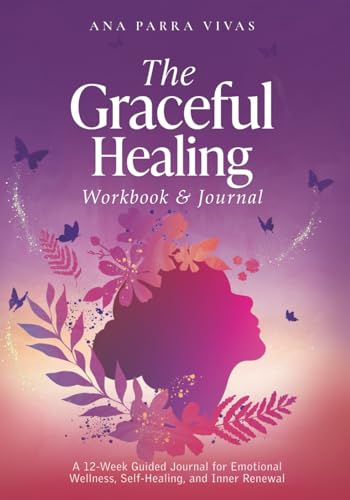
The Graceful Healing Workbook & Journal: A 12-Week Guided Journey for Emotional Wellness, Self-Healing, and Inner Renewal
As an affiliate, we earn on qualifying purchases.
As an affiliate, we earn on qualifying purchases.
Frequently Asked Questions
How Long Does Betrayal Trauma Typically Last?
Betrayal trauma can last anywhere from months to years, depending on your emotional resilience and healing timeline. You might notice intense anger and pain initially, which can seem to worsen before improving. It’s normal for this process to take time, so be patient with yourself. Focus on self-care and support; over time, your emotional resilience will strengthen, helping you move toward recovery and peace.
Can Anger From Betrayal Trauma Lead to Physical Health Issues?
Yes, anger from betrayal trauma can lead to physical health issues. When you struggle with emotional regulation, your stress levels rise, causing physical symptoms like headaches, fatigue, or even cardiovascular problems over time. Unmanaged anger keeps your body in a heightened state of stress, which can weaken your immune system and increase health risks. Addressing your emotions and finding healthy coping strategies are essential for both mental and physical well-being.
Is It Possible to Fully Recover From Betrayal Trauma?
You can absolutely fully recover from betrayal trauma. While it might seem impossible now, your emotional resilience grows through your forgiveness journey, helping you heal. Many find that with time, support, and effort, the pain lessens, and life regains its meaning. Remember, recovery isn’t linear, but each step forward strengthens your resilience, guiding you toward peace and understanding. Trust that healing is within your reach.
How Do Different Personalities Cope With Betrayal-Related Anger?
Different personalities cope with betrayal-related anger in unique ways. Some rely on personality resilience, allowing them to process emotions more constructively, while others struggle, leading to suppressed feelings or explosive reactions. You might express emotional anger openly or internalize it, depending on your traits. Recognizing your coping style helps you develop healthier emotional expression, ultimately aiding your healing process and making it easier to manage betrayal-related anger effectively.
What Are Immediate Steps to Manage Intense Anger After Betrayal?
Imagine your anger as a storm raging inside; your first step is to anchor yourself. Practice emotional regulation techniques like deep breathing or grounding exercises to calm the tempest. Reach out to trusted support systems—friends, family, or a therapist—who can be your lighthouse through the chaos. These immediate actions help you regain control, turning raw fury into manageable energy, paving the way toward healing and clarity.

Breathing Lamp Guided Visual Meditation Tool for Mindfulness,Anxiety Relief&Calm Your Mind for Stress&Visual Relaxation and Restful Sleep,478 Seconds Breathing Rate Change 3 Colors,Gift for Kids
Breathing Lamp Function: A mindful breathing lamp is a powerful and effective tool that can help you reduce…
As an affiliate, we earn on qualifying purchases.
As an affiliate, we earn on qualifying purchases.
Conclusion
You might feel like your anger and pain are only intensifying, but that’s often part of the healing process. Some experts suggest that this surge is your mind’s way of processing betrayal, making way for eventual growth. Trust that this storm will eventually pass, and with patience, you’ll find clarity and strength on the other side. Remember, even intense emotions serve a purpose—they’re signs you’re moving toward healing, not backward.

32 Coping Skills Cards with 60 Strategies – Therapy Tools for Teens & Adults to Manage Stress, Anxiety & Emotions – Durable Mindfulness & Emotional Intelligence Deck for Home, School & Counseling Use
Comprehensive Coping Skills with 60 Practical Strategies to Manage Emotions & Stress: Our premium 350gsm copper card set…
As an affiliate, we earn on qualifying purchases.
As an affiliate, we earn on qualifying purchases.
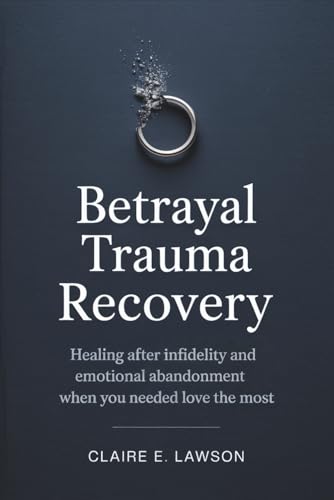
Betrayal Trauma Recovery: Healing After Infidelity and Emotional Abandonment When You Needed Love the Most
As an affiliate, we earn on qualifying purchases.
As an affiliate, we earn on qualifying purchases.