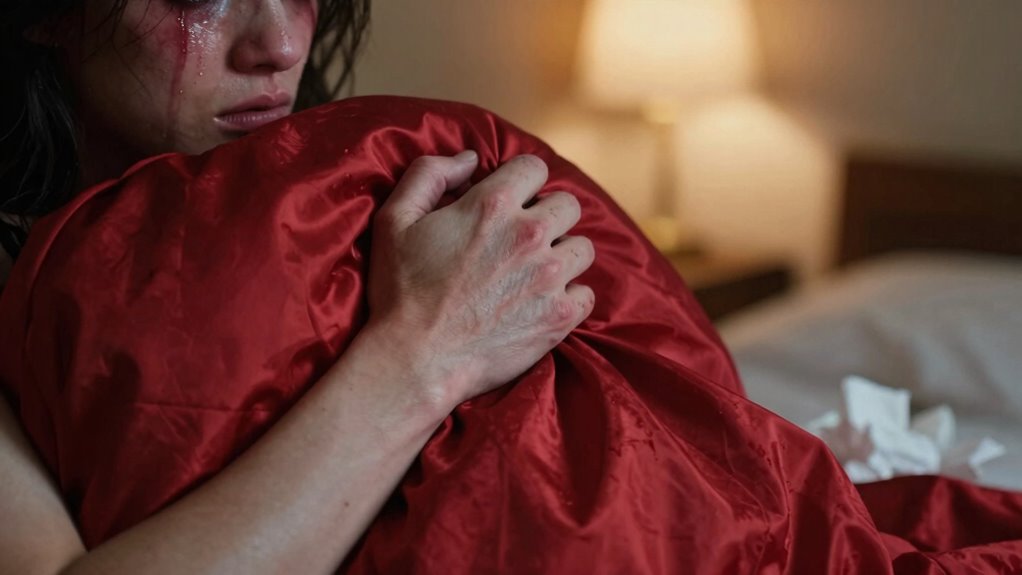

Love addiction feels physical because your brain releases chemicals like dopamine, oxytocin, and adrenaline, creating intense cravings and emotional bonds that feel almost survival-like. When you’re apart from your loved one, you may experience racing heart, sweating, nausea, or restlessness—your body reacts as if love is essential for your safety. These biological responses reinforce your dependence, making it harder to detach. If you want to understand more about how your body and mind work together in love addiction, keep exploring.

Get gifts for the two of you delivered free with Prime
- Fast, free delivery on millions of items
- Prime Video, Amazon Music and more included
- Member-only deals all year
Key Takeaways
- Love addiction triggers brain chemicals similar to substance addiction, causing physical sensations like racing heart and sweating.
- Physical reactions become conditioned responses, reinforcing emotional reliance and making detachment feel physically painful.
- Absence of the loved one causes withdrawal symptoms such as nausea, restlessness, and increased heartbeat.
- Neurochemical overdrive intensifies feelings of dependency, making emotional pain manifest as physical discomfort.
- The intertwined mind-body connection means emotional dependency is experienced through tangible physical sensations.
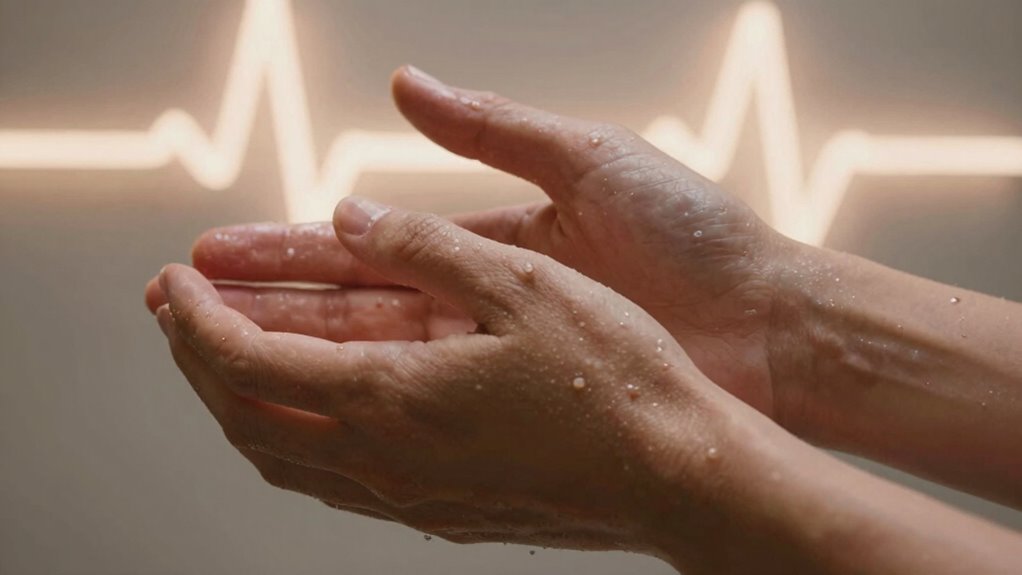
Love addiction isn’t just a mental or emotional struggle—it often manifests physically, making you feel as if your body is caught in a relentless whirlwind. When you’re deeply hooked on someone, your neurochemical responses kick into overdrive, flooding your brain with chemicals like dopamine, oxytocin, and adrenaline. These are the same chemicals involved in addiction to substances, which explains why breaking free feels so intense. Your brain associates certain feelings and behaviors with the presence of that person, creating a powerful craving that’s hard to ignore. It’s not just about thinking or feeling; it’s about your body responding in ways you might not even realize.
Love addiction triggers powerful physical responses, making recovery a challenging blend of mind and body.
This intense neurochemical activity fuels emotional dependency, locking your emotional state to that person’s actions or presence. When they’re near, your heart races, your palms sweat, and your stomach twists—these physical sensations are your body’s way of reacting to the emotional bond you’ve developed. It’s as if your body is telling you that you need this person to feel normal or safe. That’s why love addiction feels so real and overwhelming—your body has been conditioned to associate love with survival, pleasure, and pain. The rush of chemicals makes you crave the high of being close to them, and the withdrawal—the moments when they’re absent—can trigger physical symptoms like anxiety, restlessness, or even nausea.
You might notice that your physical reactions intensify when you’re apart from the person you’re addicted to. Your heartbeat quickens, your breathing becomes shallow, and you can’t seem to focus on anything else. These symptoms are not just in your head—they’re rooted in your neurochemical responses, which have been rewired over time by your emotional dependency. Understanding these neurochemical responses can help you better understand why detachment feels so challenging. Recognizing the role of neurochemicals emphasizes the importance of addressing both the emotional and physical aspects of love addiction for effective healing. Additionally, the physical sensations can become more pronounced due to bonding mechanisms, which reinforce emotional reliance. This process is further strengthened by the way your brain forms associations between love and survival, making it even harder to break free.
In essence, love addiction feels so hard to shake because your mind and body are intertwined in a complex dance of neurochemical reactions and emotional dependency. Your body remembers the highs, the lows, and the ache of longing, making the process of detachment a true challenge. Recognizing that these physical sensations are part of the addiction—neurochemical processes that drive your responses—can be the first step toward healing. Knowing that these physical sensations are part of the addiction can be the first step toward healing—knowing it’s not just in your head, but rooted in your biology as well.
As an affiliate, we earn on qualifying purchases.
Frequently Asked Questions
Can Love Addiction Cause Long-Term Physical Health Issues?
Love addiction can cause long-term physical health issues due to emotional dependency and relationship obsession. When you’re fixated on a partner, your body releases stress hormones like cortisol, which can lead to high blood pressure, weakened immunity, and sleep disturbances. Over time, these effects strain your health, making it harder to recover. Recognizing this pattern helps you break free, prioritize self-care, and protect your overall well-being.
How Does Love Addiction Differ From Regular Infatuation?
You might think love is just butterflies, but love addiction dives deeper into emotional dependency and obsession cycles. Unlike infatuation, which fades, addiction traps you in a cycle of craving and dependency, making your feelings feel urgent and relentless. It’s a compulsive need for reassurance, often ignoring reality. While infatuation sparks excitement, love addiction transforms it into a persistent, draining pull that feels impossible to break free from.
Are There Specific Brain Chemicals Linked to Love Addiction?
You’re likely experiencing love addiction because certain brain chemicals, like dopamine and oxytocin, activate your neurotransmitter pathways and brain reward systems. These chemicals reinforce feelings of pleasure and attachment, making you crave that high. When these pathways are overactive, your brain associates love with reward, creating a dependency. This is why love addiction feels so intense and hard to break — your brain is wired to seek those rewarding sensations repeatedly.
Is Love Addiction More Common in Certain Age Groups?
Love addiction tends to be more common in younger age groups, where emotional dependency and age-related vulnerability are higher. During these years, you’re more likely to seek validation and connection, making you more susceptible to addictive patterns. As you grow older, emotional resilience often increases, reducing vulnerability. However, individual experiences vary, and love addiction can affect people of all ages depending on personal circumstances and emotional health.
Can Love Addiction Be Completely Cured or Managed?
Love addiction can be managed, but it’s rarely completely cured. Think of emotional dependency and behavioral patterns as lifelong companions—sometimes helpful, sometimes not. You can learn to recognize triggers and develop healthier habits, like rewiring your brain’s love circuitry. With therapy, self-awareness, and support, you can regain control and foster healthier relationships. Remember, progress is a journey, not a final destination.
neurochemical balance supplements
As an affiliate, we earn on qualifying purchases.
As an affiliate, we earn on qualifying purchases.
Conclusion
Just like Icarus soared toward the sun, your love addiction can feel unstoppable, blinding you to the pain beneath the surface. Remember, even Daedalus warned against flying too close to desire’s flame. Recognize these sensations as signals, not sirens pulling you under. With awareness, you can steer your wings toward healing, understanding that love’s true strength lies in balance, not obsession. So, step back, breathe, and choose a path grounded in self-love instead of fleeting flames.
anxiety and withdrawal relief products
As an affiliate, we earn on qualifying purchases.
As an affiliate, we earn on qualifying purchases.
emotional dependency therapy tools
As an affiliate, we earn on qualifying purchases.
As an affiliate, we earn on qualifying purchases.
Halloween Picks
halloween
As an affiliate, we earn on qualifying purchases.