When your need for love becomes overwhelming, it’s a sign to recognize patterns of codependency. You might rely heavily on others for validation, struggle to set boundaries, or feel anxious without approval. To overcome this, start developing self-awareness by identifying emotional triggers and understanding your needs versus external expectations. Establish healthy boundaries and practice saying no. Taking small steps and reinforcing your independence will lead to healthier relationships—keep going to learn more about breaking free from dependence.
Key Takeaways
- Recognize patterns of dependency like overcommitting and seeking constant approval to identify codependent behaviors.
- Develop self-awareness by reflecting on emotional triggers and understanding personal needs versus external influences.
- Establish boundaries to assert personal limits and protect emotional well-being without creating walls.
- Practice healthy responses by clearly communicating limits and prioritizing your own needs over external validation.
- Support long-term independence by reinforcing boundaries, reducing guilt, and taking small steps to break dependency cycles.

Overcoming codependency begins with recognizing the patterns that keep you overly reliant on others for validation and support. You might find yourself constantly seeking approval or feeling anxious when you’re not sure if you’re meeting someone’s expectations. Developing self-awareness is a vital step here; it helps you identify why you feel the need to depend so heavily on others and what triggers those feelings. You may also notice that your emotional responses are often influenced by external factors, which can be addressed through mindfulness and reflection. As you become more aware of your emotional landscape, you start to notice the moments when you sacrifice your own needs to please others. This awareness allows you to see where boundaries setting is necessary. Boundaries serve as the foundation for healthier relationships, giving you clear limits on what you will accept and how much you give. When you set boundaries, you’re asserting your needs and protecting your emotional well-being, which in turn reduces your tendency to become overly dependent. It’s not about creating walls to keep others out but about establishing a respectful space where your needs are acknowledged, and your independence is maintained.
As you develop your self-awareness, you’ll notice patterns in your behavior—like saying yes when you really want to say no or neglecting your own feelings to avoid conflict. Recognizing these habits allows you to consciously choose different responses. Setting boundaries becomes easier when you understand your own limits and communicate them clearly. For example, if you tend to overextend yourself to gain approval, you can practice saying, “I need to prioritize my own needs right now,” instead of overcommitting. This process isn’t about perfection but about progress. Each time you establish a boundary or practice self-awareness, you reinforce your ability to maintain your independence without feeling guilty. Over time, these small steps help you break free from the cycle of needing constant reassurance. Recognizing emotional triggers can further support your journey toward healthier independence.

Marsail Ergonomic Office Chair: Office Desk Chair with High Back Mesh and Adjustable Lumbar Support Rolling Work Swivel Task Chairs with Wheel 3D Armrests and Headrest
Fully Adjustable Office Chair: Customized chairs, featuring with an adjustable 2D headrest, backrest with 90° to 120° recline,...
As an affiliate, we earn on qualifying purchases.
Frequently Asked Questions
How Do I Recognize if I’M Codependent?
You’re likely codependent if you constantly seek validation and struggle with setting boundaries. Notice if you prioritize others’ needs over your own, feel anxious when alone, or rely heavily on someone else’s approval for your self-worth. Developing emotional independence helps break this pattern. Practice setting clear boundaries and focus on nurturing your own interests and feelings, which can help you regain balance and healthier relationships.
Can Codependency Affect My Mental Health?
Yes, codependency can considerably compromise your mental health, causing chaos and confusion. It clouds your emotional boundaries and hampers your healthy independence. You might feel overwhelmed, anxious, or unworthy, which worsens your well-being. Recognizing these risks encourages you to nurture your emotional boundaries and build healthy independence. Staying aware helps you prevent the pitfalls of dependence, fostering a stronger, more resilient mindset.
What Are Initial Steps to Break Free From Codependency?
You start by establishing emotional boundaries, recognizing what’s yours and what belongs to others. Practice healthy independence by focusing on your needs and desires instead of solely relying on others for validation. Limit over-involvement in others’ problems, and learn to say no when necessary. Seek therapy or support groups to reinforce these habits, helping you build confidence in your ability to be emotionally self-sufficient and break free from codependency.
Is Therapy Necessary to Overcome Codependency?
Think of overcoming codependency like planting a garden; therapy acts as the gardener’s tool, essential for nurturing emotional independence. While setting boundaries helps, a therapist guides you through understanding patterns and strengthening your self-awareness. You don’t have to do it alone—therapy provides personalized support, helping you build resilience and independence. With professional help, you learn to stand independently, like a strong tree rooted firmly in healthy boundaries.
How Can I Rebuild My Self-Esteem After Codependency?
You can rebuild your self-esteem by practicing self-love daily and setting clear personal boundaries. Focus on recognizing your worth independent of others’ opinions, and prioritize activities that boost your confidence. Remember, asserting boundaries helps you protect your emotional well-being and reinforces your value. Over time, these habits will strengthen your self-esteem, making you more resilient and self-assured in your relationships and everyday life.
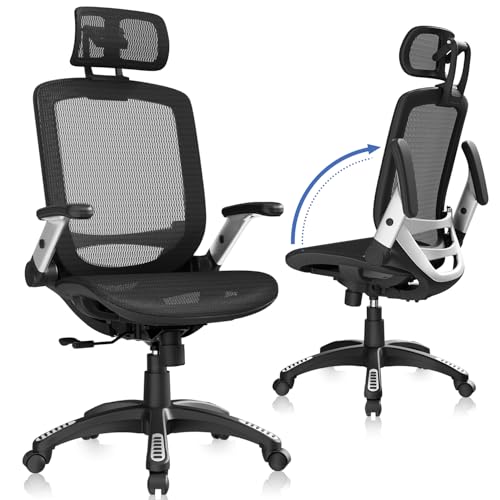
GABRYLLY Ergonomic Office Chair, High Back Home Desk Chair with Headrest, Flip-Up Arms, 90-120° Tilt Lock and Wide Cushion, Big and Tall Mesh Chairs for Man Woman, Black Task Chair
【ERGONOMIC OFFICE CHAIR】- The ergonomic chair provides 4 supporting points(head/ back/ hips/ hands) and a proper lumbar support....
As an affiliate, we earn on qualifying purchases.
Conclusion
Remember, love shouldn’t feel like a constant battle or a tug-of-war. By recognizing your worth and setting healthy boundaries, you’re taking steps toward genuine independence. It’s easy to get caught up in the idea that you need someone to feel complete, but the truth is, you’re already enough. Keep in mind, sometimes you gotta stand on your own two feet before you can truly walk hand in hand with someone. Your journey begins now—trust yourself to find balance.
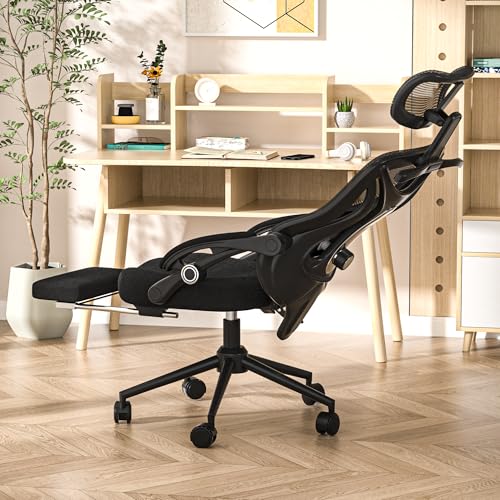
Ergonomic Office Chair with Footrest - Adjustable Lumbar Support & Headrest, 90-160° Reclining Mesh Back Computer Chair - Home Office/Gaming, 350lbs Capacity
This is more than a chair; it's a personalized comfort zone for work, rest, and play. We've meticulously...
As an affiliate, we earn on qualifying purchases.
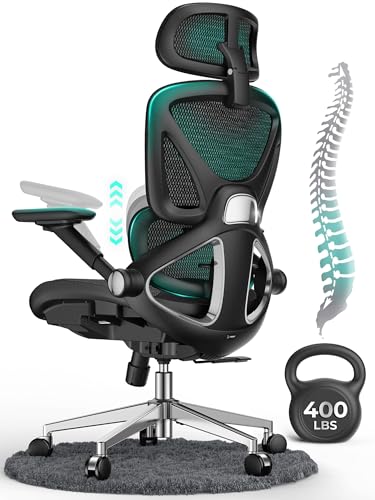
CAPOT Ergonomic Mesh Office Chair, Adjustable Lumbar High Back Desk Chair 400lbs, 4D Flip-up Arms, 3-Level Tilt Backrest, 3D Headrest, PU Wheels, Swivel Rolling Computer Seating for Long Desk Work
【STURDY, SNUG WORK CHAIR】Made for long sits over 8 hours of desk work. Micro-adjust lumbar support, flip-up arms,...
As an affiliate, we earn on qualifying purchases.