
When you go through a breakup, it feels like a detox because your brain is releasing emotional dependencies and rewiring neural pathways. You might experience intense cravings for the connection you lost, similar to drug or habit withdrawal. Your body and mind are adjusting to life without that attachment, which causes feelings of sadness, anger, or confusion. If you want to understand how this process leads to growth and self-discovery, keep exploring the journey ahead.
Key Takeaways
- Breakups trigger emotional withdrawal similar to detox, causing feelings of sadness, anger, and confusion as brain rewires.
- The process involves shedding attachment and routines, leading to intense emotional reactions akin to detox symptoms.
- Cravings for past connection resemble drug cravings, making withdrawal physically and mentally challenging.
- Emotional detox offers opportunities for self-discovery, rebuilding identity, and establishing independence outside the previous relationship.
- Healing unfolds gradually, with discomfort serving as a natural part of growth and the foundation for a more authentic future.

Breaking up can be emotionally draining, but it also offers a chance to reset and focus on your well-being. The withdrawal phase of a breakup often feels like a detox, as your mind and body work to process the loss. During this time, you might experience intense feelings of sadness, anger, or confusion—similar to the physical and mental effects of detoxing from substances or habits. This process is your emotional healing in action, as your psyche begins to shed the attachments and routines linked to your previous relationship. It’s a natural part of self-discovery, where you’re forced to confront who you are outside of that partnership and what truly matters to you.
Breaking up feels like a mental detox, helping you shed old attachments and rediscover your true self.
As you navigate this withdrawal, your brain is rewiring itself, letting go of the dopamine hits associated with your ex and the comfort of familiarity. This can cause cravings for the connection that once existed, making it feel like a craving for a drug. The emotional upheaval might make you want to retreat or numb the pain, but resisting these urges is essential. Instead, focus on nurturing yourself, allowing the emotional healing to unfold gradually. Recognize that this discomfort is temporary and necessary for growth. It’s often through these difficult moments that you gain clarity and insight about your needs, desires, and boundaries.
You may also find yourself questioning your identity outside of the relationship, which can be uncomfortable but ultimately enriching. This period of self discovery helps you understand what you want moving forward and how to rebuild your life on your own terms. It’s an opportunity to reconnect with old passions, develop new interests, and establish a stronger sense of self. As you do so, be patient with your emotions. Give yourself permission to feel everything without judgment, knowing that these feelings are part of the detox process. Just like physical detoxes, emotional detoxes can be intense, but they pave the way for a healthier, more authentic version of yourself. Recognizing the importance of mental rewiring can help you stay motivated during this challenging process.
In embracing this withdrawal phase, you’re actively participating in your emotional healing journey. It’s about shedding the baggage of the past, recognizing your resilience, and finding new strength in your independence. This time might be tough, but it’s also transformative. With each passing day, you’re healing, growing, and uncovering the layers of yourself that were hidden beneath the pain. By doing so, you set the foundation for a more fulfilling, authentic future, free from the dependencies of the past.

Keppi Adjustable Dumbbells Set-25lb Pair, Anti-Slip Metal Fast Adjust Weight Handle, Exercise & Fitness for Full Body Workout -DBA25(Pair)
【5-in-1 Space-Saving Design】With a compact single-dumbbell size of only 14.2"L × 7.5"W × 6.3"H, KEPPI Adjustable Dumbbell replaces...
As an affiliate, we earn on qualifying purchases.
Frequently Asked Questions
How Long Does the Withdrawal Phase Typically Last?
The withdrawal phase usually lasts between a few weeks to several months, depending on your emotional resilience. During this time, you might experience intense feelings of loss and craving. To navigate it, prioritize self-care strategies like staying active, talking to friends, and practicing mindfulness. Remember, healing isn’t linear, so be patient with yourself and trust that, over time, these difficult feelings will lessen, making space for growth and new beginnings.
Can I Experience Physical Symptoms During Breakup Withdrawal?
Yes, you can experience physical symptoms during breakup withdrawal. It’s part of your emotional detox, where your body reacts to the loss, creating sensations like fatigue, headaches, or even stomach issues. These physical symptoms mirror your emotional upheaval, signaling that your mind and body are processing the breakup deeply. Recognizing this connection helps you understand that your body’s reactions are natural, and healing takes time.
What Are Effective Ways to Manage Intense Emotional Cravings?
To manage intense emotional cravings, focus on building emotional resilience by practicing mindfulness and deep breathing exercises. When cravings hit, acknowledge them without judgment and redirect your energy to healthy activities like exercise or hobbies. Stay connected with supportive friends or a therapist to strengthen your craving management skills. Remember, developing emotional resilience helps you resist impulsive urges and regain control over your feelings during this challenging phase.
Is It Normal to Feel Nostalgic About the Relationship?
Yes, it’s normal to feel nostalgic about the relationship. These feelings are part of your emotional healing process. To build your emotional resilience, try coping strategies like journaling, talking with friends, or practicing mindfulness. Remind yourself of the reasons for the breakup and focus on your personal growth. Over time, these nostalgic feelings will lessen as you strengthen your emotional resilience and create new, positive experiences.
When Should I Seek Professional Help During Withdrawal?
You should seek professional help during withdrawal if you notice your emotional resilience is waning or your coping strategies aren’t enough. If feelings of sadness, anxiety, or loneliness persist beyond a few weeks, or if daily functioning is impacted, it’s time to reach out. A mental health professional can provide support, teach healthier coping strategies, and guide you through this challenging period, ensuring you heal in a healthy way.

Core Fitness® Adjustable Dumbbell Weight Set By Affordable Dumbbells - Adjustable Weights - Space Saver - Weights - Dumbbells For Your Home -
Pair of adjustable dumbbells with quick and easy weight adjustments from 5 to 50 lbs each
As an affiliate, we earn on qualifying purchases.
Conclusion
Just like detoxing from substances, ending a relationship triggers emotional withdrawal, making you feel vulnerable and restless. Did you know that studies show it can take up to 11 weeks to fully recover from a breakup? That’s nearly three months of feeling like you’re detoxing from someone’s presence. Remember, this intense phase is temporary—you’re healing and regaining your strength. Embrace the process, knowing brighter days are ahead, and you’ll come out stronger on the other side.
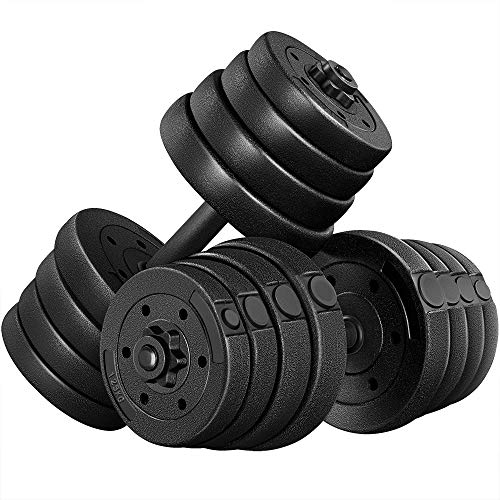
Yaheetech Adjustable Dumbbells Weight Set - 66LB Dumbbell Weights Exercise & Fitness Equipment w/ 4 Spinlock Collars & 2 Connector Options for Women & Men Gym Home Strength Bodybuilding Training
Non-Slip Knurled Handles: This dumbbell set features a hard plastic handle with diamond knurled texture on each bar...
As an affiliate, we earn on qualifying purchases.
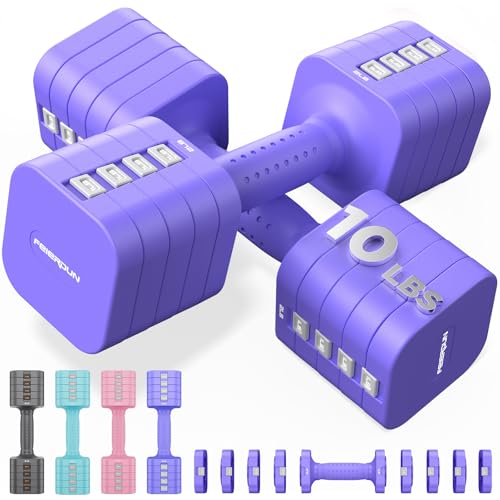
FEIERDUN 5-in-1 Adjustable Dumbbell Set of 2, 20LBS/10LBS Hand Weights for Women, 1s-Adjust Dual-Stable Dumbbell Set for Women Home Gym & Outdoor
【5 Weights in 1 Set】Adjustable weights for every fitness goal! Customize your routine effortlessly. Whether toning (2-4 lbs),...
As an affiliate, we earn on qualifying purchases.