
To keep love strong with step-kids nearby, focus on building trust through small, meaningful interactions and shared activities. Set clear emotional boundaries that promote safety and respect while respecting existing relationships. Communicate honestly and patiently, fostering an environment where everyone feels heard and valued. Remember, developing intimacy takes time and effort, but with consistency and understanding, you can create a supportive family space where love grows naturally. Keep exploring ways to strengthen these bonds further.
Key Takeaways
- Build trust through consistent, meaningful interactions and shared activities that foster positive experiences.
- Respect existing family relationships and boundaries to create a safe, supportive environment for love to grow.
- Communicate honestly and openly, encouraging children to express feelings and promoting emotional connection.
- Practice patience and understanding, recognizing that developing intimacy takes time and mutual effort.
- Use visual cues and environment design to create comfort and safety, enhancing emotional closeness with step-children.

Building intimacy in blended families can be challenging, but it’s essential for creating strong, supportive relationships. When you’re steering through the complexities of merging families, you’ll quickly realize that parenting challenges are a significant hurdle. Each member has different expectations, routines, and emotional needs, which can create tension and confusion. As you work to deepen your connections, it’s crucial to establish clear emotional boundaries. These boundaries help everyone feel safe and respected, giving you a framework to manage difficult moments without losing sight of your shared goal: building trust and love.
Establishing emotional boundaries fosters safety, respect, and trust in blended families.
You might find that step-parenting introduces a unique set of parenting challenges. Kids might resist new authority figures or feel uncertain about where they fit in. To foster intimacy, you need patience and consistency. Avoid rushing the process; instead, focus on small, meaningful interactions that show you care. Respect their feelings and give them space to express themselves. When you’re mindful of emotional boundaries, you prevent overstepping and avoid inadvertently causing resentment. This balance allows the children to feel secure while gradually opening their hearts.
It’s important to remember that emotional boundaries aren’t about distance or detachment—they’re about healthy limits. For example, you might decide not to intervene in certain disciplinary issues that are best handled by the biological parent. Respecting these boundaries shows your step-kids that you understand and honor their existing relationships, which can foster trust. At the same time, you can create your own bond by sharing activities that build positive experiences together, like hobbies or family outings. These moments help break down barriers and create a sense of normalcy and belonging.
Open communication plays a vital role in overcoming parenting challenges and strengthening intimacy. Be honest about your feelings and encourage your step-kids to share theirs. When they see you’re approachable and understanding, they’re more likely to open up over time. Consistency, patience, and empathy are your best tools here. Remember, establishing emotional boundaries isn’t a sign of distancing; it’s a way to protect everyone’s emotional well-being so that love can grow stronger. Building these foundations takes time, but with effort and understanding, you can create a supportive environment where intimacy blossoms, and your blended family becomes a true team. Additionally, understanding the importance of color accuracy and other visual elements can help you create a more inviting and comfortable environment that fosters emotional closeness.
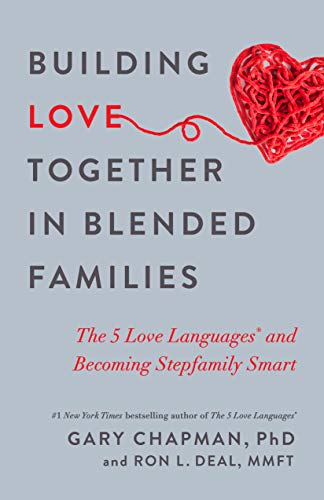
Building Love Together in Blended Families: The 5 Love Languages and Becoming Stepfamily Smart
As an affiliate, we earn on qualifying purchases.
As an affiliate, we earn on qualifying purchases.
Frequently Asked Questions
How Can I Build Trust Quickly With Step-Kids?
You can build trust quickly with step-kids by actively building rapport through genuine conversations and shared activities. Respect their boundaries, listen to their feelings, and show consistency in your actions. Be patient and understanding, demonstrating that you’re reliable and caring. When you honor their boundaries and connect authentically, they’ll feel safe and valued, paving the way for a trusting and loving relationship to grow naturally over time.
What Are Effective Ways to Bond With Step-Children?
You can bond with your step-children through shared activities like playing games, cooking, or exploring hobbies together, which create quality time and shared experiences. Open communication is key; listen actively, show genuine interest, and encourage them to share their feelings. By engaging in fun activities and fostering honest conversations, you build trust and deepen your connection, making your relationship stronger and more meaningful.
How Do I Handle Jealousy in Blended Families?
Jealousy triggers tension, so tackling them takes transparency and tenderness. You should respect privacy boundaries, allowing your step-children space to feel secure. Talk openly about feelings, reassuring them of your love and loyalty. Recognize that jealousy is normal, and patience is key. By being consistent, caring, and clear, you create a calm, comforting environment where everyone feels valued, reducing jealousy and strengthening your bond.
When Should I Introduce My Partner’s Child to My Family?
You should introduce your partner’s child to your family once you’ve established a stable, age-appropriate relationship and feel comfortable. Make sure to set age-appropriate boundaries to guarantee everyone feels safe and respected. Incorporate family traditions gradually to help the child feel included and secure. Timing is key; wait until the relationship feels solid and natural, allowing the child to adapt comfortably without pressure.
How Can I Maintain Intimacy While Navigating Family Challenges?
You can maintain intimacy by setting clear emotional boundaries and respecting personal space, even amid family challenges. Communicate openly with your partner about your needs and listen to theirs. Prioritize regular one-on-one time to reconnect, and be patient as everyone adjusts. When conflicts arise, address them calmly and constructively. This approach helps keep love strong, fostering trust and closeness despite the complexities of blending families.

Coding Projects in Scratch: A Step-by-Step Visual Guide to Coding Your Own Animations, Games, Simulations, a (DK Help Your Kids)
As an affiliate, we earn on qualifying purchases.
As an affiliate, we earn on qualifying purchases.
Conclusion
Building intimacy in your blended family is like tending a delicate garden—you’ll see it thrive with patience, effort, and love. By staying open, communicating honestly, and embracing each moment together, you create a bond as strong as steel. Remember, love in a blended family isn’t about perfection but persistence. Keep nurturing those relationships, and you’ll find your family blossoming into a beautiful, resilient unity—proof that love can flourish, even in the most complex of gardens.

Adult Survivors of Toxic Family Members: Tools to Maintain Boundaries, Deal with Criticism, and Heal from Shame After Ties Have Been Cut
As an affiliate, we earn on qualifying purchases.
As an affiliate, we earn on qualifying purchases.

6Pcs Communication Board for Non Verbal Adults Picture Symbol Communication Cards Speech Therapy Tools for Autism Toddlers Kids Aphasia Stroke Patients Hospital Care Home Use Talking Placemats
Package includes: This set includes 6 communication boards, each designed with different themes to help individuals express their…
As an affiliate, we earn on qualifying purchases.
As an affiliate, we earn on qualifying purchases.