

When you engage in gentle, non-sexual touch like cuddling, your body releases oxytocin, often called the love hormone. This hormone strengthens emotional bonds, boosts trust, and fosters feelings of safety. It also reduces stress hormones like cortisol, helping you relax. Regular cuddling supports mental well-being and physical health, building resilience and closeness. By understanding these biological effects, you can see why non-sexual touch plays a crucial role in your emotional health—there’s more to discover about how it works.
Key Takeaways
- Non-sexual touch like cuddling triggers oxytocin release, fostering emotional bonding and trust between individuals.
- Oxytocin reduces stress hormones such as cortisol, promoting relaxation and emotional security.
- Physical contact during cuddling strengthens attachment and supports emotional resilience.
- Regular cuddling improves mental health by enhancing mood and reducing anxiety and loneliness.
- Cuddling’s biological effects lay the foundation for deeper intimacy and healthy emotional relationships.

Have you ever wondered why cuddling feels so good? It’s not just a warm sensation or a moment of comfort—there’s real chemistry happening inside your body that makes this simple act so powerful. When you cuddle, your brain releases oxytocin, often called the “love hormone,” which has numerous benefits. Oxytocin benefits go beyond just feeling good in the moment; it plays a *essential* role in emotional bonding, helping you forge deeper connections with others. This hormone fosters trust, reduces stress, and enhances feelings of safety, making cuddling more than a fleeting pleasure—it becomes a *crucial* part of building and maintaining close relationships.
Cuddling releases oxytocin, strengthening bonds, reducing stress, and boosting emotional well-being.
As you embrace someone in a cuddle, your body responds by increasing oxytocin production. This surge promotes emotional bonding by strengthening the sense of attachment and intimacy. When oxytocin levels rise, you tend to feel more connected and secure with your partner or loved ones. It’s as if your brain recognizes this touch as a signal that you’re safe and cared for, reinforcing your emotional ties. This isn’t just psychological; it’s biological. The release of oxytocin during cuddling helps reduce cortisol, the stress hormone, which can make you feel calmer and more relaxed. That’s why after a good cuddle, you often feel a wave of comfort washing over you—your body is actively responding to the physical contact by promoting emotional well-being.
Cuddling also impacts your overall mental health. The oxytocin benefits extend beyond immediate feelings of happiness; they can improve your mood and even help combat feelings of loneliness or anxiety. When you engage in non-sexual touch, such as hugging, holding hands, or cuddling, you’re not just enjoying a moment of closeness—you’re actively nurturing your emotional resilience. This kind of touch has been shown to lower blood pressure and heart rate, contributing to physical health as well as emotional stability. Additionally, understanding the biological mechanisms behind cuddling can enhance appreciation for its role in strengthening bonds. The more you incorporate cuddling into your daily interactions, the more you’re reinforcing trust and emotional communication, which are foundational for healthy relationships.
In essence, cuddling isn’t just a cozy gesture; it’s a biological and emotional process that strengthens bonds, reduces stress, and boosts your overall happiness. The oxytocin benefits you experience aren’t just fleeting—they help lay the groundwork for long-term emotional intimacy. So next time you cuddle, remember that it’s doing more than providing comfort—it’s actively shaping your brain chemistry and enriching your connections with those you care about.

IBLOG Smart Deadbolt Lock, Fingerprint Keyless Entry Door Lock App Control, Electronic Touchscreen Keypad, Auto Locking, IP54 Weatherproof, Easy Install Digital Deadbolt for Front Door
【Fully Functional App Control】IBLOG smart deadbolt door lock has built-in Bluetooth, allowing you to easily manage the lock...
As an affiliate, we earn on qualifying purchases.
Frequently Asked Questions
How Does Non-Sexual Touch Influence Long-Term Emotional Bonds?
Non-sexual touch strengthens long-term emotional bonds by fostering platonic intimacy and emotional security. When you engage in gentle touch, you release oxytocin, the bonding hormone, which helps build trust and connection. This consistent act of caring reassures both you and your partner, deepening your bond over time. By prioritizing non-sexual touch, you create a safe space for vulnerability, making your relationship more resilient and emotionally fulfilling.
Can Cuddling Improve Mental Health Beyond Immediate Comfort?
Cuddling can profoundly improve your mental health beyond immediate comfort by reducing touch deprivation, which often leads to feelings of loneliness and anxiety. Regular cuddling boosts your emotional resilience, helping you handle stress better and fostering a sense of security. As a result, you develop stronger emotional connections, enhance your mood, and build a more positive outlook, making cuddling a simple yet powerful way to support mental well-being over time.
What Are the Best Non-Sexual Touch Practices for Strangers?
Did you know that 60% of people feel uncomfortable with unwanted touch? For strangers, the best non-sexual touch practices involve respecting personal space boundaries and prioritizing consent. You should always ask permission before initiating any contact, such as a handshake or light touch on the shoulder. Clear communication and respecting cues guarantee that both parties feel safe and comfortable, fostering trust and positive connection without crossing personal boundaries.
How Does Non-Sexual Touch Vary Across Different Cultures?
You’ll find that non-sexual touch varies widely across cultures due to different cultural norms and touch taboos. In some societies, like Mediterranean or Latin cultures, touch is frequent and seen as friendly, while in others, like Japan or the Middle East, touch may be limited or avoided to respect personal space and avoid taboos. Understanding these differences helps you navigate social interactions respectfully and comfortably.
Are There Any Risks Associated With Non-Sexual Physical Contact?
Yes, there are risks with non-sexual physical contact if personal boundaries aren’t respected or consent isn’t clear. You might unintentionally invade someone’s comfort zone, causing discomfort or misunderstanding. To avoid this, always prioritize consent awareness and pay attention to cues. Respecting boundaries guarantees the touch remains positive and safe for everyone involved, creating trust and reinforcing healthy interactions.
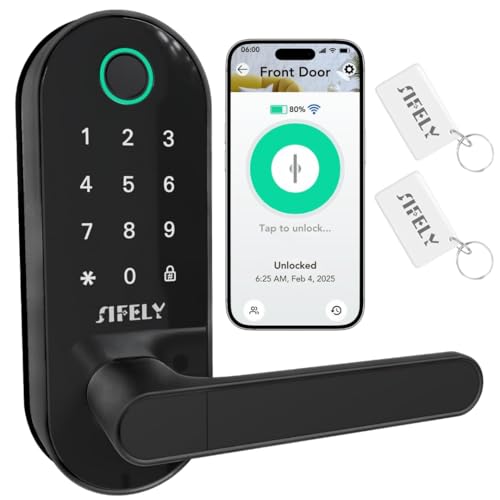
Fingerprint Smart Door Lock with Handle & Keypad – Built-in WiFi Remote Access, Keyless Entry for Front Door, Home & Airbnb, App Control, Compatible with Alexa & Google, Easy DIY Install
【Built-in WiFi – No Gateway Needed】Control the lock remotely from anywhere using the app without needing a separate...
As an affiliate, we earn on qualifying purchases.
Conclusion
Think of non-sexual touch as the gentle rhythm that keeps your emotional heartbeat steady. It’s the warm glow in a dark room, guiding you through moments of loneliness and connection alike. When you embrace cuddling, you’re planting seeds of trust and comfort that bloom over time. So, don’t underestimate the power of a simple touch—it’s the silent language that nurtures your soul and keeps your heart in harmony with others.

Philips Wi-Fi Door Lock, WiFi Smart Lock Keyless Entry Deadbolt for Front Door, Compatible with Alexa & Google Assistant, Remote Control, Built-in WiFi, APP Fingerprint Passcode Unlock, Auto Locking
𝐅𝐥𝐞𝐱𝐢𝐛𝐥𝐞 𝐖𝐚𝐲𝐬 𝐭𝐨 𝐔𝐧𝐥𝐨𝐜𝐤: Unlock the way you want: app, passcode, fingerprint, physical key, or voice via Alexa/Google...
As an affiliate, we earn on qualifying purchases.

TMEZON Smart Door Lock Fingerprint, Keyless Entry Door Lock with Handle, APP/IC Cards/Codes/Keys/Fingerprints Biometric Electronic Keyless Entry Lock for Bedroom Home Hotel Office
[5 Multiple Ways To Unlock]: Fingerprint + Passcode + APP Control+ IC Cards (4 PCS for 12-15 MHZ)...
As an affiliate, we earn on qualifying purchases.