

To affair-proof your workplace, you need to set clear boundaries that protect professionalism and prevent misunderstandings. Share limited personal information, focus conversations on work topics, and communicate your limits calmly and firmly. Reinforce these boundaries consistently and avoid behaviors that could be misinterpreted. Maintaining emotional distance helps foster respect and a healthy environment. If you want to learn more about creating a secure, respectful workplace, keep exploring effective boundary-setting strategies.
Key Takeaways
- Clearly define and communicate personal boundaries to colleagues to prevent misunderstandings.
- Limit sharing personal information and focus conversations on work-related topics.
- Use assertive, respectful language to reinforce boundaries and redirect inappropriate or overly personal discussions.
- Maintain professional distance to reduce emotional involvement and avoid workplace conflicts.
- Foster a respectful environment that promotes professionalism and reduces the risk of inappropriate relationships.

Have you ever felt overwhelmed by the blur between work and personal life? It’s common to struggle with keeping those lines clear, especially when emotions run high or friendships develop at the office. To protect yourself from potential pitfalls—like misunderstandings or inappropriate relationships—you need to establish strong boundaries. This starts with understanding emotional boundaries and maintaining professional distance. Emotional boundaries are crucial because they help you manage your feelings and reactions, ensuring you don’t become overly involved in colleagues’ personal issues or allow personal feelings to interfere with work responsibilities. When you set these boundaries, you prevent emotional exhaustion and preserve your mental well-being, making it easier to stay focused and professional.
Establish emotional boundaries to protect your well-being and maintain professionalism at work.
Maintaining a professional distance doesn’t mean you have to be cold or distant; it means being intentional about how much personal information you share and how you engage with colleagues beyond work-related topics. For example, you might avoid discussing deeply personal matters, such as relationship problems or financial issues, which can create emotional entanglements that blur the lines of professionalism. Instead, keep conversations friendly but focused on work-related subjects or neutral topics. By doing so, you foster a respectful environment and keep your interactions within appropriate boundaries. It’s also helpful to be mindful of how much you invest emotionally in workplace relationships. While forming genuine connections is healthy, crossing into overly personal territory can make it harder to maintain objectivity and can open doors to misunderstandings or inappropriate advances.
Setting boundaries also involves clearly defining your limits and communicating them when necessary. For instance, if a colleague starts sharing too much personal information or crosses a line, gently but firmly steer the conversation back to work topics. Similarly, avoid engaging in behaviors that could be misinterpreted, like sharing jokes that might be deemed inappropriate or spending excessive time chatting about non-work topics. Remember, your goal is to safeguard your professional integrity and emotional health. Establishing these boundaries requires consistency and assertiveness; don’t be afraid to reinforce them if someone breaches your comfort zone. Over time, your colleagues will come to respect your limits, and a healthier, more professional atmosphere will develop.
Ultimately, by prioritizing emotional boundaries and maintaining professional distance, you protect yourself from misunderstandings and potential conflicts. It’s about creating a work environment where you feel secure, respected, and focused. When boundaries are clear, you reduce the risk of workplace affairs and foster a culture of respect and professionalism. This proactive approach not only safeguards your reputation but also ensures you can thrive in your career without unnecessary complications or emotional stress. Incorporating practices like setting clear boundaries can also help prevent workplace burnout, which is essential for long-term well-being.

CooCoCo Vibration Back Massager with Heat, Massage Chair Pad with 8 Vibration Motors & 2 Heating Levels, Chair Massager for Recliner, Office Chair, Sofa, Gifts for Mom Dad Women Men Husband Wife
8 Powerful Vibration Motors & 5 Modes: CooCoCo back massager targets upper/lower back, hips, and thighs with 6...
As an affiliate, we earn on qualifying purchases.
Frequently Asked Questions
How Can I Handle Boundary Violations Without Escalating Conflict?
When facing boundary violations, stay calm and assertively communicate your concerns. Use assertiveness training techniques to express your feelings clearly without aggression, helping de-escalate conflicts. Keep your tone respectful and focus on the issue, not the person. If needed, set firm boundaries and follow up consistently. This approach minimizes tension, encourages understanding, and maintains professionalism without escalating the situation further.
What Are Signs Colleagues Are Crossing Professional Boundaries?
You notice colleagues crossing professional boundaries when they invade your personal space or engage in disrespectful communication. Signs include frequent interruptions, inappropriate jokes, or overly personal questions. You might feel uncomfortable or tense during interactions. To address this, practice respectful communication by calmly asserting your need for personal space and clear boundaries. If behavior continues, consider discussing your concerns with a supervisor to maintain a professional environment.
How Do Cultural Differences Impact Boundary Setting?
Cultural differences considerably impact boundary setting because cultural sensitivity shapes how you interpret others’ behaviors and communication styles. You might find that what’s acceptable in one culture feels intrusive in another. To navigate this, actively listen, observe, and ask respectful questions to understand colleagues’ comfort levels. Adjust your communication style accordingly, and be open to learning about different cultural norms, ensuring respectful and professional interactions that honor diverse perspectives.
Can Boundaries Help Prevent Workplace Romantic Relationships?
Boundaries are your best armor in the workplace, helping to prevent romantic entanglements from taking root. By maintaining clear relationship boundaries and upholding workplace professionalism, you create a safe environment where personal feelings don’t blur professional lines. Strong boundaries act like a sturdy fence, guiding interactions and keeping relationships transparent and appropriate. Yes, setting these boundaries can markedly reduce the risk of workplace romances, fostering a more respectful and focused work environment.
How to Reinforce Boundaries With a Difficult Coworker?
To reinforce boundaries with a difficult coworker, clearly communicate your limits using trust signals like consistent eye contact and firm tone. Respect their personal space by maintaining appropriate physical distance and avoiding unnecessary touch. When they overstep, calmly remind them of your boundaries and stay assertive. Consistently enforcing these cues helps build mutual respect and keeps your professional relationship healthy, reducing the chances of boundary violations.
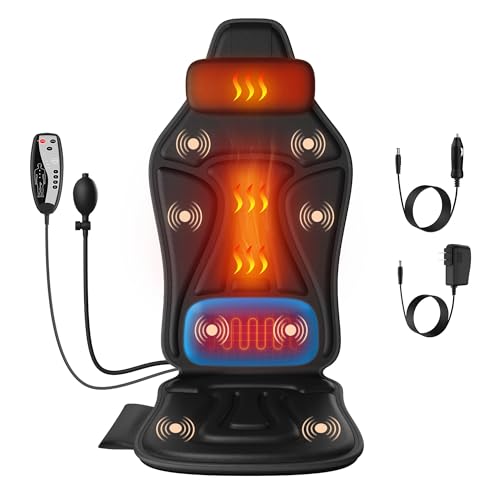
comrelax Vibration Back Massager for Chair with Heat, Massage Chair Heating Pad with Lumbar Traction, Seat Massager for Seniors, Office Workers & Family, Fatigue & Pain Relief in Office, Home Use
【Note: No Shiatsu or Kneading】The neck heating massage function of this back massager combines back heating therapy and...
As an affiliate, we earn on qualifying purchases.
Conclusion
By setting clear boundaries, you’ll become an unstoppable fortress against workplace drama and romantic entanglements. No longer will you be the office’s favorite target for gossip or the star of awkward love triangles. Instead, you’ll be the superhero who keeps professionalism intact, saving your reputation from disaster. So, lock those boundaries in place like a fortress, and watch your work life transform from chaos to calm—because nothing short of a miracle will breach your boundaries!

Beleduc Back Massager for Chair with Heat, Massage Chair Pad for Pain Relief, Massage Seat Cushion with 9 Vibration Motors, 3 Heating Areas, 30/60/90 Minute Timer, Home Office Relaxation
【Advanced Vibration Massage (Not Shiatsu)】 Experience all-around relaxation with 10 vibration motors — 8 positioned along the back...
As an affiliate, we earn on qualifying purchases.

Culanta Massage Chair Full Body, Zero Gravity SL-Track Shiatsu Massage Recliner Chair with Body Scan, Airbags, Foot Rollers, Deep Yoga Stretch, Heating (U1-Black)
Intelligent Massage: The power on automatically detects the user's body type and customizes the exclusive massage. Provides 5...
As an affiliate, we earn on qualifying purchases.