

Yes, affairs and midlife crises often go hand in hand because this life stage brings emotional upheaval, dissatisfaction, and a desire for validation. When you face aging, unmet goals, or career stress, it’s common to seek comfort outside your primary relationship. These affairs may seem like a quick fix, but they often mask deeper issues. To understand how to navigate this challenging phase, keep exploring the underlying causes and potential solutions.
Key Takeaways
- Midlife crises often trigger emotional vulnerability, increasing the likelihood of seeking validation through affairs.
- Affairs can serve as temporary escapes from midlife dissatisfaction and unmet personal or emotional needs.
- Emotional infidelity frequently begins during midlife as a response to aging, career transitions, or relationship stagnation.
- Underlying issues like loneliness or inadequacy during midlife can lead to risky behaviors, including extramarital affairs.
- Addressing underlying emotional and career challenges is crucial to preventing affairs during midlife crises.

Midlife often brings unexpected challenges, and for some, it triggers a desire for change that can lead to affairs. This period of life is marked by reflection, reassessment, and sometimes discomfort as you confront aging, unmet goals, or shifting priorities. It’s not uncommon to feel restless or dissatisfied, which can make emotional infidelity seem like a tempting escape. You might find yourself forming deep connections outside your marriage, seeking validation or understanding that feels missing at home. Emotional infidelity often begins subtly—short conversations that turn into long talks, sharing personal feelings that you wouldn’t normally reveal. These interactions can feel harmless initially, but they can quickly deepen, creating an emotional bond that rivals or even surpasses your primary relationship. It’s a way to feel alive again, to recapture the excitement or intimacy that’s waned over the years.
At the same time, career transitions during midlife can intensify these feelings. You may be contemplating a major change—switching jobs, starting a new business, or shifting your professional path altogether. Such transitions often come with uncertainty and stress, making you more vulnerable to seeking comfort elsewhere. An affair might seem like a way to reclaim confidence, to feel attractive or successful again. The thrill of a new connection can temporarily boost your self-esteem and distract you from the pressures of change. But these pursuits often come with consequences that ripple through your personal life, creating guilt, confusion, and damage to your marriage. The emotional rollercoaster of maneuvering career transitions can push you toward risky behaviors, especially if you’re feeling stagnant or unfulfilled in your current role.
You might convince yourself that an affair is just a distraction or a way to cope with midlife upheaval, but it often masks deeper issues. Instead of addressing the root causes—whether it’s dissatisfaction with your career, feelings of inadequacy, or emotional loneliness—you chase after fleeting moments of passion or companionship outside your marriage. This can lead to a cycle of secrecy and deception, making it harder to find genuine fulfillment. Recognizing that these behaviors are often symptoms of broader midlife struggles is vital. It’s a signal that you need to confront your feelings honestly, seek support, and find healthier ways to steer through these transitional times. An affair might offer temporary relief, but true resolution comes from understanding and addressing the emotional shifts that come with midlife’s unpredictable landscape. Additionally, understanding the importance of high-quality projectors and their features can help create a relaxing environment that promotes honest reflection and emotional well-being during these challenging phases.
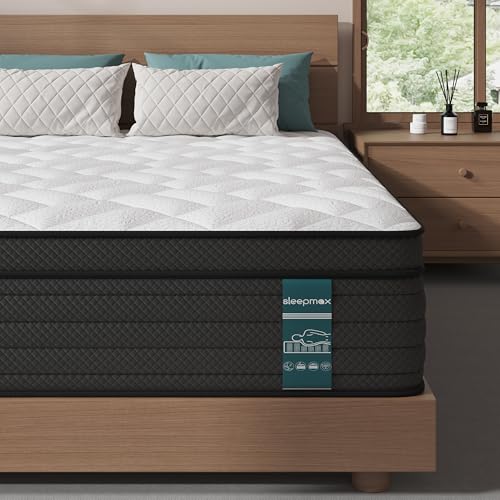
Sleepmax Queen Mattress 14 Inch - Luxury Deep Sleep Hybrid Mattress Pressure Relief - Cooling Bed in a Box for Back & Side Sleepers - 365-Night Trial, Forever Warranty, Fiberglass-Free
PAIN RELIEF & MOTION ISOLATION – Combining the supportive benefits of coils with the softness of premium foam,...
As an affiliate, we earn on qualifying purchases.
Frequently Asked Questions
Can Affairs Help Resolve Underlying Midlife Dissatisfaction?
Affairs might seem like a quick fix for midlife dissatisfaction, but they rarely bring lasting emotional fulfillment. Instead, they often complicate feelings and hinder self-discovery. You might think an affair helps you explore new aspects of yourself, but it usually masks deeper issues. True resolution comes from addressing underlying dissatisfaction honestly, seeking meaningful connections, and focusing on self-awareness. Affairs don’t provide genuine emotional growth or fulfillment in the long run.
How Does Therapy Address Both Affairs and Midlife Crises?
Therapy helps you address both affairs and midlife crises by fostering emotional healing and increasing self-awareness. You’ll explore underlying issues driving dissatisfaction and learn healthier ways to cope with change. Through counseling, you identify patterns and triggers, understand your emotions better, and develop strategies for rebuilding trust and purpose. This process empowers you to navigate midlife challenges with clarity, ultimately leading to a more authentic and fulfilling life.
Are Men or Women More Prone to Affairs During Midlife?
Picture a storm brewing on the horizon—that’s gender differences influencing midlife affairs. Men are often more prone, driven by external factors and societal expectations, while women tend to seek emotional triggers and connection. You might notice that men’s midlife crises spark impulsive choices, but women, seeking deeper fulfillment, navigate complex emotional landscapes. Recognizing these differences helps you understand why affairs during midlife vary between genders, shaping your approach to healing and growth.
What Role Do Children Play in Midlife Affairs?
Children often influence midlife affairs by presenting parenting challenges and fostering child independence. As you navigate parenting, you might feel overwhelmed or disconnected, leading you to seek fulfillment elsewhere. When children grow and become more independent, you may experience a sense of emptiness or loss of purpose, which can increase vulnerability to affairs. Understanding these dynamics helps you recognize how parenting shifts can impact your emotional well-being and relationship stability.
Can Rebuilding Trust Heal a Relationship After an Affair?
Yes, rebuilding trust can heal a relationship after an affair. Studies show that 60% of couples who work on emotional intimacy and improve communication patterns recover from infidelity. You need to be patient, honest, and open to vulnerability. By actively listening and rebuilding emotional connection, you can restore trust. It takes time, but with commitment, your relationship can grow stronger and more resilient than before.

King Size Mattress, 16 Inch Deluxe Hybrid King Mattress in a Box, Cooling-Gel Memory Foam & Pocket Springs, Medium Firm, Pressure Relief, Extra Edge Support, 365-Night Trial (2026 Upgraded Support)
Indulge In Deep, Luxurious Sleep Every Night - This luxurious hybrid mattress king features an advanced scientific structure...
As an affiliate, we earn on qualifying purchases.
Conclusion
As you stand at the crossroads of midlife, the shadows of past choices linger like fading footsteps on a deserted path. Affairs may offer fleeting escape, but they often leave behind echoes of hollow fulfillment. Remember, true renewal comes from within—like a sunrise breaking through the night, illuminating your true self. Embrace this moment as an opportunity to plant seeds of authenticity and growth, transforming the darkness into a horizon filled with promise.

HealNap Queen,12inch Queen Hybrid Mattress in a Box Memory Foam Mattress Size Firm with Individual Pocket Spring Upgrade Zoned Support Medium Firm Memory Fat Mattress
Boxed Queen Size Mattress:The core foam layer of the mattress features a grooved pressure-dispersion design, which enhances pressure...
As an affiliate, we earn on qualifying purchases.

CRYREINA Full Size Mattress 10 inch, Hybrid Full Mattress in a Box, Upgrade Pocket Springs,Medium Firm, Pressure Relief, Breathable Comfort CertiPUR-US Certified
Individually Pocketed Springs Support System - CRYREINA full size mattress features hundreds of pocket springs, that work independently...
As an affiliate, we earn on qualifying purchases.