

Adultery can cause deep emotional pain that damages your trust, self-worth, and mental health. It leaves scars that may lead to feelings of worthlessness, anger, and long-term distress. Financially, cheating often results in hidden debts, loss of stability, and long-term hardship that can jeopardize your future. The emotional and financial costs are substantial, and understanding these impacts can help you navigate the aftermath and make informed choices moving forward. Learn more about how betrayal affects every part of your life.
Key Takeaways
- Adultery causes deep emotional wounds, eroding trust, self-esteem, and mental health, often leading to long-term trauma.
- The emotional toll includes feelings of worthlessness, anger, sadness, and difficulty trusting again.
- Financial betrayal may involve hidden debts, secret accounts, and reckless spending, threatening financial stability.
- The financial fallout can result in debt, loss of assets, and jeopardize long-term security and future plans.
- Healing requires time, support, and addressing both emotional pain and financial damages to rebuild trust and stability.

Have you ever wondered what the true cost of adultery might be? It’s not just about the broken trust or the shattered vows; it’s about the deep emotional and financial toll that cheating inflicts on everyone involved. When betrayal occurs, it cuts through the heart, leaving scars that can linger long after the affair ends. Emotional betrayal, in particular, strikes at your sense of security and self-worth. You might find yourself questioning everything—your partner’s honesty, your own value, and the stability of your relationship. The pain runs deep, often leading to feelings of worthlessness, anger, and profound sadness. These emotional wounds can affect your mental health, disrupt your daily life, and make it hard to trust again, even after rebuilding the relationship.
Alongside emotional damage, financial betrayal can hit just as hard, sometimes even more unexpectedly. When trust is broken, financial secrets often surface, revealing hidden debts, secret accounts, or reckless spending that your partner concealed. This betrayal can lead to a significant loss of financial stability, forcing you to scramble to cover expenses or deal with debt that wasn’t supposed to exist. In some cases, one partner may drain shared resources to support a secret life, leaving the other in a vulnerable position. The financial fallout can strain your future plans, jeopardize your security, and cause long-term hardship. It’s a betrayal that extends beyond the emotional sphere, hitting your wallet and your sense of safety. Recognizing the gaslighting tactics that can be involved in such betrayals is crucial for understanding and protecting yourself.
Dealing with the aftermath means facing both emotional and financial consequences head-on. It’s not just about forgiving and forgetting; it’s about healing and rebuilding trust—if that’s even possible. The process can be exhausting, requiring time, support, and sometimes professional help. You might find yourself grappling with feelings of anger, betrayal, or despair, questioning whether the relationship can recover or if it’s time to move on. The cost of adultery isn’t just measured in the immediate fallout—it leaves scars that can influence your emotional well-being and financial security for years to come. Recognizing these hidden costs is essential, so you can make informed decisions about your future and prioritize healing from the damage inflicted by betrayal.
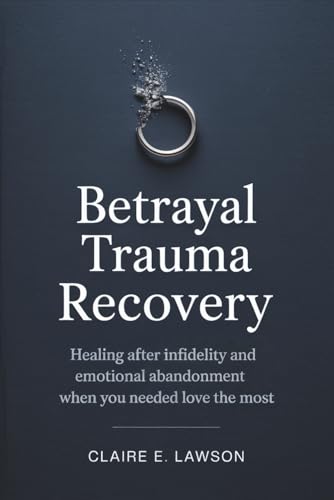
Betrayal Trauma Recovery: Healing After Infidelity and Emotional Abandonment When You Needed Love the Most
As an affiliate, we earn on qualifying purchases.
As an affiliate, we earn on qualifying purchases.
Frequently Asked Questions
How Does Cheating Affect Children Involved in the Family?
Cheating can deeply affect children by causing parental alienation and childhood trauma. You might notice them feeling confused, angry, or withdrawn, as they struggle to understand the broken trust. Their sense of security diminishes, leading to long-lasting emotional scars. You could inadvertently expose them to conflicts or divided loyalties, which worsens the trauma. It’s vital to prioritize open communication and support to help children process their feelings and heal.
Can Couples Recover Emotionally After Infidelity?
Yes, you can recover emotionally after infidelity. Focus on trust rebuilding through honest communication and patience. Emotional healing takes time, so give yourself space to process feelings and seek support if needed. While the journey is challenging, couples who commit to transparency and understanding can rebuild their relationship stronger than before, ultimately restoring emotional intimacy and trust.
What Are the Legal Consequences of Adultery?
If you’re caught cheating, you could face legal consequences like affecting divorce proceedings. For example, in some states, adultery can be used as grounds for marital separation or divorce, potentially influencing the division of assets or custody decisions. While adultery isn’t always criminally charged, it can impact court decisions, making it essential to understand how your actions might influence legal outcomes during separation or divorce processes.
How Does Financial Betrayal Impact Joint Assets?
Financial betrayal can critically impact your joint assets, leading to considerable financial fallout. When trust is broken, asset division becomes complicated, often resulting in disputes over property, savings, and investments. You might find yourself facing unexpected expenses or losing a portion of shared assets during divorce proceedings. It’s essential to understand how infidelity can influence financial matters, and seeking legal advice can help protect your interests during asset division.
Are There Long-Term Mental Health Effects From Infidelity?
Studies show that over 60% of people experience long-term mental health effects from infidelity. You might carry emotional scars, like anxiety or depression, long after the betrayal. The trust breakdown can lead to persistent feelings of insecurity and difficulty forming new relationships. These effects can last years, impacting your overall well-being. Recognizing these signs early and seeking support can help you heal and rebuild your emotional health.

Infidelity Recovery Workbook: Relationship-Saving Book for Understanding Infidelity, Making Sense of Betrayal (After the Affair 4)
As an affiliate, we earn on qualifying purchases.
As an affiliate, we earn on qualifying purchases.
Conclusion
Remember, cheating isn’t just a moment of weakness; it’s a poison that seeps into every corner of your life. The emotional scars and financial burdens ripple outward, transforming love into loss. Like a fragile glass, trust shatters easily—and once broken, it’s nearly impossible to repair. So, ask yourself: is a fleeting thrill worth the lifelong cost? Choose honesty now, or face the heartbreak and ruin that betrayal inevitably brings.

The Complete Couples Therapy Workbook: Step-by-step exercises to Improve Intimacy, Build Trust, Resolve Relationship Conflicts, and Recover from Emotional Distance for a Healthier Connection
As an affiliate, we earn on qualifying purchases.
As an affiliate, we earn on qualifying purchases.

DIVORCE Financial Planner For Women, Volume I (Think Financially, Not Emotionally®)
As an affiliate, we earn on qualifying purchases.
As an affiliate, we earn on qualifying purchases.