

Living alone after divorce quietly costs you more than you realize—financially and emotionally. You might notice expenses adding up quickly without shared support, straining your budget and testing your resilience. Emotional challenges like loneliness and loss can also drain your strength, making stability harder to achieve. Developing routines and embracing independence are essential, but the true price extends beyond money. Keep going, and you’ll discover how to manage these costs and thrive on your own.
Key Takeaways
- Unexpected financial strain from covering all expenses alone signals hidden costs of solo living post-divorce.
- Emotional exhaustion and loneliness indicate emotional costs outweigh initial financial perceptions.
- Difficulty establishing routines or boundaries suggests ongoing challenges and hidden stressors.
- Increased reliance on technology or home comforts reflects efforts to compensate for emotional voids.
- Signs of burnout or persistent financial hardship reveal the true, often overlooked, costs of independence.

Divorce can be a challenging shift, but it also opens the door to a new chapter—solo living. At first, it might feel freeing, like finally having control over your space and choices. But as you settle into this new life, you’ll notice that living alone comes with costs—some obvious, others less so. One of the most significant is the effort to achieve and maintain financial independence. Without a partner’s income or shared expenses, you’re responsible for everything from rent or mortgage payments to utilities, groceries, and unexpected repairs. It’s easy to overlook how quickly these costs add up, especially when you’re just starting out. This financial adjustment can strain your budget and make you realize how much support you once had, even if it wasn’t always perfect. Additionally, managing your environment and maintaining a sense of comfort requires intentional effort, which can be unexpectedly demanding.
Living alone requires managing all expenses, revealing how much support you relied on before.
Beyond finances, emotional healing is equally essential, yet often underestimated. Moving from a shared life to living alone demands a significant emotional shift. You might experience loneliness or a sense of loss, which makes it tempting to fill the void with distractions or quick fixes. However, true emotional healing requires reflection and patience. This period can be uncomfortable, but it’s indispensable for rebuilding your sense of self and confidence. Solo living pushes you to confront your feelings head-on and develop resilience. You learn to enjoy your own company and trust your judgment, which is critical for long-term happiness and independence. Recognizing the importance of self-sufficiency can help you navigate these challenges more effectively. Developing this skill can also increase your awareness of the financial costs involved in living alone, making you more prepared and mindful of your choices. Furthermore, understanding the significance of emotional resilience can empower you to face setbacks and uncertainties with greater strength.
Living alone also means you’re fully responsible for your environment. You must create routines that foster stability and comfort—whether that’s maintaining a clean home, managing your finances, or setting boundaries with friends and family. Each small decision becomes a step toward independence, reinforcing your ability to handle life’s challenges on your own. But this independence isn’t just about managing daily tasks; it’s about cultivating a mindset that values your well-being. Recognizing the importance of emotional healing helps you avoid rushing into new relationships or habits that might distract from your growth. Moreover, understanding the role of home theatre projectors and other technology can enhance your relaxation and enjoyment at home, making solo living more comfortable and fulfilling. As you adapt to these responsibilities, you’ll find that the journey of solo living is as much about internal growth as external management. In fact, many find that investing in home entertainment equipment significantly boosts their sense of comfort and mental well-being during this transitional phase.
In this journey, you’ll find that the real cost of solo living isn’t just monetary. It’s in the emotional strength you build and the independence you forge. While it may seem more expensive than you initially thought, the reward lies in discovering your resilience and learning to thrive on your own. It’s a quiet process, often overlooked, but ultimately transformative. Embracing these challenges head-on ensures that your new chapter isn’t just about surviving, but about truly thriving in your own company.
budgeting planner for single living
As an affiliate, we earn on qualifying purchases.
As an affiliate, we earn on qualifying purchases.
Frequently Asked Questions
How Can I Financially Prepare for Living Alone After Divorce?
To financially prepare for living alone after divorce, start with solid financial planning and create detailed budgeting strategies. Track your expenses and cut unnecessary costs to build savings. Consider new or increased costs like rent, utilities, and insurance. Build an emergency fund for unexpected expenses. Regularly review your budget to stay on track. This proactive approach guarantees you’re financially ready and can comfortably manage your solo life post-divorce.
What Are the Emotional Challenges of Solo Living Post-Divorce?
You’re steering a stormy sea of emotional challenges, feeling waves of loneliness and loss. Building emotional resilience becomes your anchor, helping you stay steady amid the turbulence. Coping strategies like journaling, connecting with loved ones, and practicing mindfulness act as your lifeboats, guiding you through the rough waters. Embracing these tools allows you to heal, grow stronger, and find peace in solo living after divorce.
How Do I Rebuild Social Life After Divorce?
To rebuild your social life after divorce, start reconnecting with mutual friendships and making new ones through social hobbies. Attend local events or join clubs that interest you, which helps expand your network naturally. Be open to new experiences and prioritize quality time with friends. Over time, these efforts will boost your confidence, restore your social circle, and make solo living more fulfilling and less isolating.
What Legal Steps Should I Consider When Living Alone?
You should review your property rights to understand your legal standing as a solo resident. Check your lease agreement carefully to guarantee you’re complying with all terms and conditions. If you’re renting, consider updating or renegotiating your lease. Also, explore local laws about rights to property and residency to protect yourself legally. Consulting a lawyer can help clarify your rights and guide you through necessary legal steps for living alone confidently.
How Can I Ensure My Safety While Living Solo?
Safety is your top priority, so don’t put all your eggs in one basket. Stay aware of neighborhood security by installing good lighting and sturdy locks. Keep emergency preparedness supplies on hand, like a flashlight and first aid kit. Build connections with neighbors so they can watch out for you. Remember, a little caution goes a long way—it’s better to be safe than sorry when living solo.
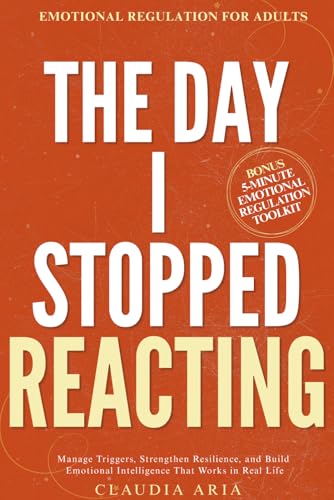
The Day I Stopped Reacting: Emotional Regulation for Adults To Manage Triggers, Strengthen Resilience, and Build Emotional Intelligence That Works in Real Life (The Rising Empaths)
As an affiliate, we earn on qualifying purchases.
As an affiliate, we earn on qualifying purchases.
Conclusion
Living solo after divorce might seem like a fresh start, but it’s easy to overlook the quiet toll it takes on your wallet and well-being. Like a silent storm, the costs can quietly accumulate, overshadowing your newfound independence. Remember, taking proactive steps can help you weather this change more smoothly. Your journey to healing is a path you walk step by step—don’t let the hidden expenses turn your bright horizon into a cloudy sky.
home organization and routines kit
As an affiliate, we earn on qualifying purchases.
As an affiliate, we earn on qualifying purchases.
self-care products for loneliness
As an affiliate, we earn on qualifying purchases.
As an affiliate, we earn on qualifying purchases.