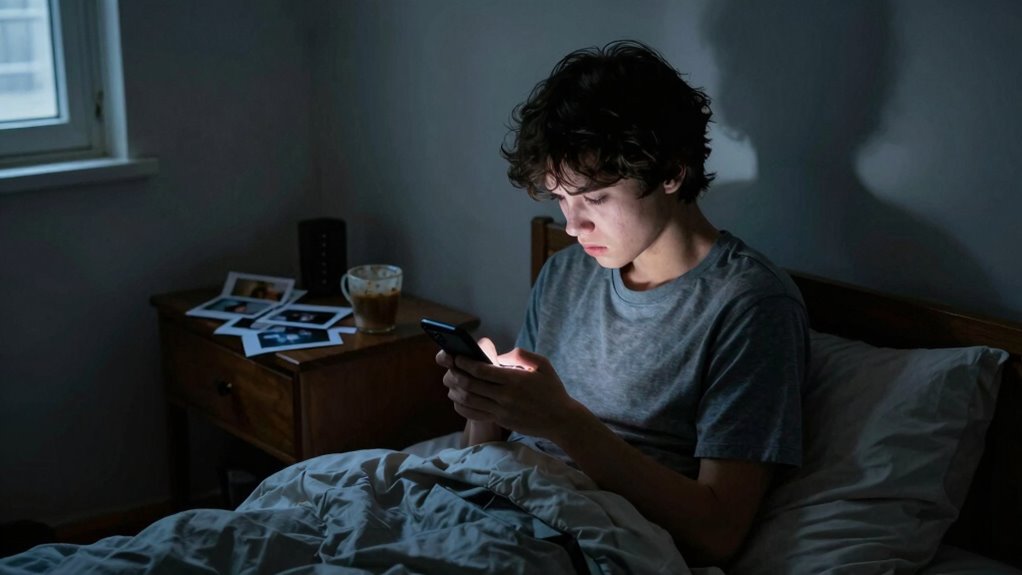

When you rely heavily on parasocial crushes, it can deepen emotional dependence and distort your perception of real relationships. This usually worsens as you seek validation and idealize online figures, neglecting genuine connections. The more you invest emotionally in these virtual personalities, the further your real-life relationships may suffer. If you keep focusing on this, you’ll discover why recognizing these patterns and setting boundaries can help restore balance and improve your relationships over time.

Get gifts for the two of you delivered free with Prime
- Fast, free delivery on millions of items
- Prime Video, Amazon Music and more included
- Member-only deals all year
Key Takeaways
- Parasocial crushes can intensify emotional dependency, diverting energy and attention from real-life relationships.
- They often reinforce idealized perceptions, making it harder to see partners or reality clearly.
- Increased attachment to online figures may lead to feelings of loneliness and dissatisfaction in actual relationships.
- The cycle of validation-seeking and comparison worsens emotional strain before awareness prompts change.
- Breaking free requires recognizing unhealthy patterns, setting boundaries, and re-prioritizing genuine connections.
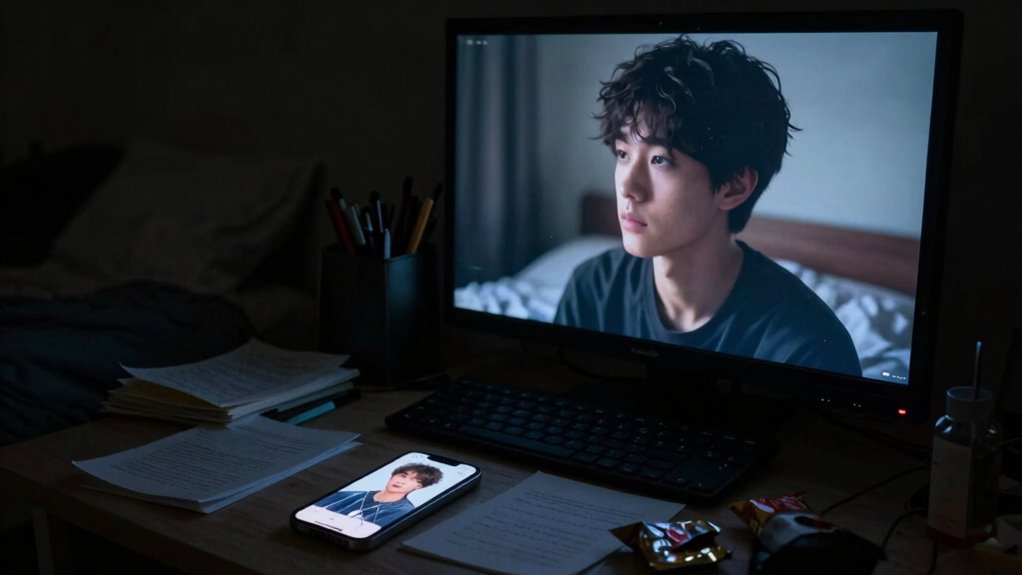
Have you ever found yourself feeling more connected to a celebrity or online personality than to the people in your everyday life? It’s more common than you might think, especially with the rise of digital obsession. You spend hours scrolling through social media, watching their videos, and keeping up with every post, feeling like you truly know them. But this intense focus can quickly turn into emotional dependency, where your happiness or self-esteem hinges on their online presence. What starts as harmless admiration can deepen into an unhealthy attachment that begins to harm your real-world relationships.
When you prioritize your connection to a virtual figure over your actual relationships, it creates a skewed sense of intimacy. You might find yourself comparing your life to their curated online persona, fueling feelings of inadequacy or loneliness. This cycle feeds your digital obsession, making it harder to detach. As your emotional dependency grows, you rely on these digital interactions to fulfill emotional needs you’re not getting elsewhere. You might feel a rush when they post new content, but that feeling is fleeting and leaves you craving more, trapping you in a pattern of constant validation-seeking.
The problem worsens because this parasocial relationship often feels safe—no real confrontation, no vulnerability required. You can idealize the person, creating a fantasy version of what you wish your life or relationships looked like. But this idealization prevents you from addressing underlying issues in your personal life. As your focus remains on this one-sided connection, your existing relationships suffer. You might become distant, less interested in spending time with friends or partners, because your emotional energy is tied up in someone you only see through a screen. Additionally, the cycle can reinforce feelings of loneliness and unfulfillment, making it harder to break free. Recognizing that this virtual connection can distort your perception of reality can help you better understand the impact it has on your emotional wellbeing.
It’s important to recognize that the cycle usually gets worse before it gets better. The more you indulge in this parasocial crush, the more it reinforces feelings of loneliness and unfulfillment. Breaking free requires honest reflection and effort. You need to re-establish boundaries with your digital consumption, acknowledge the emotional dependency, and prioritize real-life connections. It’s not easy, especially when the attachment feels so real, but understanding that these feelings are rooted in a virtual illusion helps you regain control. Cultivating awareness of digital obsession and understanding its effects can be a crucial step toward healthier habits. Recognizing the role of technology in fostering these unhealthy attachments can also help you develop more mindful media consumption habits.
Ultimately, the key is balance. While admiring someone online can be harmless, letting it replace genuine relationships isn’t. The sooner you recognize the signs of an unhealthy attachment, the sooner you can work to rebuild your real-world connections and find fulfillment beyond the screen. Recognizing the importance of color accuracy and other technical aspects of digital media can also help you understand the difference between virtual entertainment and real emotional fulfillment.
As an affiliate, we earn on qualifying purchases.
Frequently Asked Questions
Can Parasocial Crushes Develop Into Real Romantic Feelings?
Yes, parasocial crushes can develop into real romantic feelings, especially if you ignore digital and emotional boundaries. You might start feeling connected through constant online interactions, blurring the line between fantasy and reality. To prevent this, set clear digital boundaries—limiting contact and social media exposure—and emotional boundaries to keep your feelings in check. Recognizing these boundaries helps you maintain healthy relationships and avoid emotional confusion.
How Long Does It Typically Take to Recover From a Parasocial Crush?
Imagine you’re stuck in a never-ending celebrity obsession, clinging to every tweet like it’s your lifeline. Recovery from a parasocial crush usually takes weeks or even months, depending on emotional dependency levels. You’ll need time to disconnect, process feelings, and rebuild your real-life relationships. Patience is key—think of it as untangling a knot of emotional dependency, slowly but surely, until you’re free to focus on genuine connections.
Are Certain Personality Types More Prone to Parasocial Attachments?
Certain personality traits and attachment styles make you more prone to parasocial attachments. For example, if you’re more introverted, anxious, or have an avoidant attachment style, you might find yourself forming stronger, more persistent bonds with media figures. These traits can make it harder to differentiate fantasy from reality, heightening your vulnerability to parasocial crushes. Recognizing these tendencies helps you understand why you might develop such attachments more easily.
What Are the Warning Signs That a Parasocial Crush Is Damaging My Relationship?
Like a shadow creeping over your sunlight, a celebrity obsession can blur emotional boundaries, signaling damage. You might notice you’re prioritizing your parasocial crush over your partner, feeling jealous or disconnected. If your thoughts about the celebrity dominate, or you hide your feelings about it, these are warning signs. Ignoring them can deepen the rift, so addressing these feelings early helps protect your relationship’s foundation.
Is Therapy Effective in Managing Parasocial Obsession?
Yes, therapy can be effective in managing your parasocial obsession. It helps you address emotional dependency and develop healthier boundary setting skills. Through therapy, you’ll explore underlying reasons for your obsession, learn coping strategies, and establish limits that prevent it from harming your real relationships. Consistent sessions provide support and accountability, empowering you to regain control and build more balanced connections with both media figures and loved ones.
As an affiliate, we earn on qualifying purchases.
Conclusion
As you navigate this tangled web of admiration and longing, remember that the allure of a parasocial crush is like chasing shadows on a moonlit night—beautiful yet elusive. If left unchecked, it can cast a fog over your real-life connections, turning warmth into cold distance. But with awareness and effort, you can step back into the light, clear the haze, and rediscover the genuine bonds waiting to be nurtured beneath the surface.
As an affiliate, we earn on qualifying purchases.
emotional dependency recovery journal
As an affiliate, we earn on qualifying purchases.
As an affiliate, we earn on qualifying purchases.
Halloween Picks
halloween
As an affiliate, we earn on qualifying purchases.