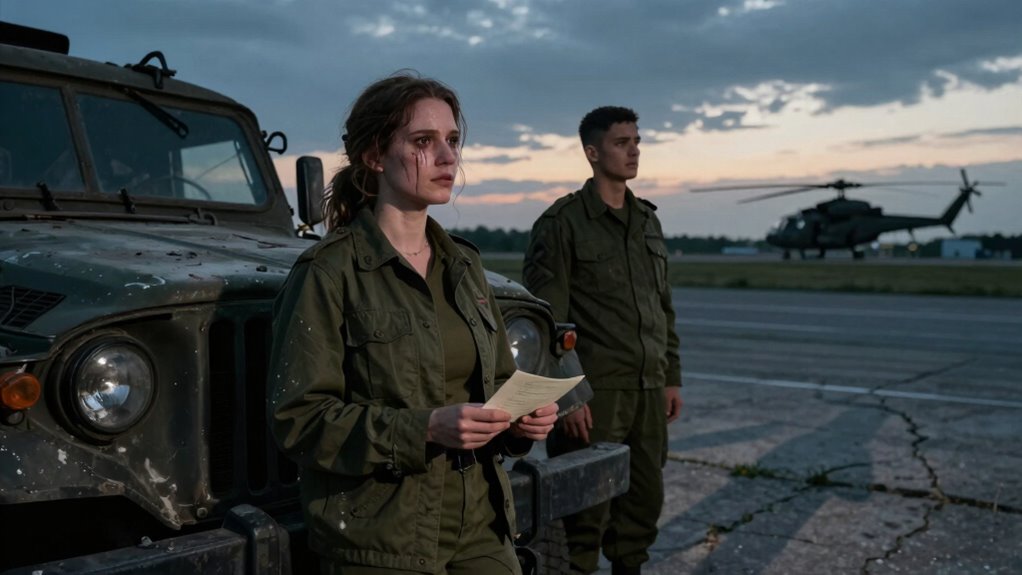

When infidelity hits a military family, things often seem to get worse before improving because the unique stresses of deployments, relocations, and emotional strain add to the chaos. These challenges make it harder to communicate and rebuild trust, causing conflicts to escalate. You might feel overwhelmed by anger and betrayal, but understanding that such difficulties are common in military life can help. Stick with it—there’s more to uncover that can guide you through this tough time.
Key Takeaways
- Emotional intensity from infidelity often leads to heightened conflict and misunderstandings initially.
- Military stressors like deployments and relocations exacerbate emotional turmoil and hinder resolution efforts.
- Trust restoration is complex, especially in high-stress environments, causing setbacks before progress.
- Legal and military repercussions can complicate healing, making the situation feel worse before improvement.
- Early emotional reactions, such as anger and betrayal, can intensify conflicts before calming and healing occur.

Have you ever wondered how infidelity impacts military families? When trust gets broken, it’s not just a matter of personal hurt; the ripple effects reach every corner of family life. Military families often face unique challenges, such as frequent relocations, long deployments, and high-stress environments, which can make rebuilding trust more complicated. If you’re dealing with infidelity, you might initially feel overwhelmed, unsure whether to seek relationship counseling or confront the legal consequences. Both paths can seem intimidating, especially when emotions run high, but understanding their importance can help you navigate this difficult terrain.
Relationship counseling becomes an essential step in addressing infidelity. It offers a safe space to process feelings, communicate openly, and work toward healing, if that’s what you want. Counseling can help clarify whether both partners are committed to repairing the relationship or if separation is inevitable. For military families, it’s particularly valuable because it addresses issues stemming from deployments, separations, and the stresses unique to military life. Counseling sessions can also help you develop better communication skills, rebuild trust, and create a plan to move forward—whether together or apart. It’s a proactive step that shows you’re willing to confront the problem rather than letting it fester, which often makes things worse. Additionally, understanding the impact of family dynamics can be crucial in navigating the emotional aftermath. Recognizing how stressors in military life influence relationship stability can also guide you toward more effective solutions. Being aware of how military culture influences perceptions of infidelity might help in understanding the broader context of trust issues. Furthermore, understanding the legal framework around military infidelity can be instrumental in navigating potential consequences.
On the other hand, legal consequences can’t be ignored, especially if the infidelity leads to divorce or separation. In military law, adultery can impact divorce proceedings, child custody, and even benefits. You might not realize it, but infidelity can be used against you in court, especially if it affects the well-being of children or the stability of the home. You need to understand how military regulations and legal standards play into your situation. Consulting with a legal expert familiar with military law can help you understand your rights and obligations, and prevent unintended consequences that might worsen the situation. Ignoring these aspects can lead to more stress, financial hardship, and emotional turmoil down the line. It’s also important to consider the impact on children and how infidelity might influence custody decisions and their emotional health.
The reality is, infidelity often makes things worse before they get better because of the intertwined emotional, legal, and logistical issues. You may feel anger, betrayal, or guilt, which can cloud judgment and make it harder to see a clear path forward. But taking deliberate steps—such as seeking relationship counseling early, understanding the legal consequences, and approaching each issue with clarity—can ultimately help you navigate this difficult time more effectively. Remember, even when things seem at their worst, there’s potential for healing or a new beginning if you approach the situation with honesty and a willingness to address all aspects involved.
relationship counseling for military families
As an affiliate, we earn on qualifying purchases.
As an affiliate, we earn on qualifying purchases.
Frequently Asked Questions
How Does Military Culture Influence Attitudes Toward Adultery?
Military culture heavily influences attitudes toward adultery through strict military norms and honor codes emphasizing loyalty and integrity. You might feel pressure to uphold these standards, which can make adultery seem more unacceptable. These norms often reinforce the idea that fidelity is essential for maintaining personal and unit honor. As a result, military members may view adultery as a serious breach, often leading to stronger judgments and consequences within this environment.
What Are the Legal Consequences of Adultery in the Military?
Imagine you’re caught in a case where a service member’s adultery leads to a court-martial. The legal ramifications can include dishonorable discharge, confinement, or even loss of benefits. Disciplinary actions are strict, emphasizing military standards. You could face reprimands or non-judicial punishment, and your career might suffer profoundly. The military treats adultery seriously because it undermines discipline and cohesion, making the legal and disciplinary consequences severe.
How Can Military Families Rebuild Trust After Infidelity?
You can rebuild trust by practicing emotional resilience and opening honest communication. Focus on listening without judgment, share your feelings openly, and be patient with each other’s healing process. Use effective communication strategies to express your needs and concerns clearly. Consistently showing commitment, maintaining transparency, and supporting each other through emotional ups and downs will strengthen your bond and help restore trust over time.
Are There Specific Support Programs for Adulterous Military Spouses?
Yes, there are specific support programs for adulterous military spouses. You can access counseling resources tailored to military families, offering confidential therapy to help you navigate the emotional challenges. Peer support groups are also available, providing a safe space to share experiences and gain understanding from others facing similar issues. These programs aim to foster healing, rebuild trust, and strengthen your relationship through specialized guidance and community support.
How Does Deployment Impact the Likelihood of Infidelity?
Deployment can increase the likelihood of infidelity because it strains emotional resilience and weakens communication strategies. Being apart for long periods may lead you to feel lonely or disconnected, making temptation more tempting. To combat this, you need to prioritize honest communication and strengthen your emotional resilience. Staying connected through regular calls and sharing your feelings can help both of you maintain trust and intimacy, reducing the risk of infidelity during deployment.
military family trust rebuilding books
As an affiliate, we earn on qualifying purchases.
As an affiliate, we earn on qualifying purchases.
Conclusion
Remember, every storm eventually runs out of rain. When adultery strains your military family, it’s tough, but healing is possible. Staying honest, seeking support, and holding onto hope can turn the tide. Like a ship steering through rough waters, your resilience will guide you toward calmer seas. Trust that brighter days are ahead, and with patience and strength, your family can rebuild and find peace again. The dawn always follows the darkest night.
legal guide for military infidelity
As an affiliate, we earn on qualifying purchases.
As an affiliate, we earn on qualifying purchases.
As an affiliate, we earn on qualifying purchases.