

After being cheated on, you might notice red flags like your partner withdrawing emotionally, becoming secretive, or making excuses to hide their actions. They may avoid discussions about the relationship and shift blame instead of taking responsibility. This pattern of dishonesty and emotional distance keeps you stuck, hoping for change while the relationship deteriorates. Recognizing these warning signs is essential—you’ll find out more about breaking free if you keep going.
Key Takeaways
- Repeated avoidance of honest conversations indicates unresolved trust issues and emotional avoidance.
- Consistent inconsistency and excuses suggest ongoing dishonesty, prolonging emotional pain.
- Blame-shifting and responsibility avoidance prevent healing and reinforce emotional detachment.
- Emotional distance and indifference after cheating signal potential relationship stagnation or end.
- Ignoring red flags prolongs suffering, making it harder to move on or rebuild trust.

Discovering that you’ve been cheated on can leave you feeling betrayed and confused, but recognizing the red flags that follow is essential for protecting yourself and moving forward. When trust has been shattered, it’s natural to want to rebuild it, but sometimes the patterns you notice indicate deeper issues that won’t be easily resolved. These red flags can keep you stuck in a cycle of hurt, preventing genuine emotional healing. Recognizing these signs early on helps you decide whether to work through the pain or move on for your well-being.
One common red flag is a sudden withdrawal from open communication. If your partner becomes secretive, evasive, or dismissive about their whereabouts or feelings, it’s a warning sign that trust rebuilding may be compromised again. When they avoid conversations about your relationship or dismiss your concerns, it indicates a lack of transparency, which is vital for emotional healing. Ignoring this red flag can lead to further emotional damage, making it harder for you to regain confidence in the relationship. Additionally, trust issues can be reinforced by ongoing secrecy, making recovery even more challenging.
Sudden withdrawal and evasiveness indicate broken trust and hinder emotional healing. Recognize this red flag early.
Another red flag is inconsistent behavior or frequent excuses. If your partner’s actions don’t match their words—like canceling plans last minute, avoiding commitments, or making vague explanations—you’re likely dealing with avoidance rather than accountability. These behaviors can be a sign of ongoing dishonesty or hidden issues, which hinder trust rebuilding. Over time, this inconsistency chips away at your emotional resilience, making it difficult to recover from the betrayal fully.
You might also notice a pattern of blame-shifting or refusal to accept responsibility. When your partner minimizes their actions or points the finger elsewhere, it shows they’re not willing to acknowledge the hurt they caused. This pattern prevents genuine emotional healing because it stalls honest conversations about the betrayal. If you find yourself repeatedly explaining your feelings without acknowledgment or remorse, it’s a red flag that the relationship may not be on a healthy path forward.
Finally, a pervasive sense of emotional distance or indifference can be a major red flag. If your partner seems disengaged or uninterested in your needs and feelings, it signals a lack of investment in repairing the relationship. This emotional detachment makes trust rebuilding nearly impossible and indicates that both of you might be better off apart. Continuing in such a relationship can trap you in a cycle of hope and disappointment, preventing the emotional healing you deserve.
Recognizing these red flags is crucial. They serve as signals that, despite your efforts, some relationships may not be salvageable. By paying attention to these warning signs, you can protect your emotional health and take steps toward healing or moving on from the pain of betrayal.

The Essentials of Setting Boundaries: Practical Guide to Personal Empowerment, Effective Communication, Develop Emotional Resilience, and Build Healthy Relationships with Confidence
As an affiliate, we earn on qualifying purchases.
As an affiliate, we earn on qualifying purchases.
Frequently Asked Questions
How Long Does Emotional Healing Typically Take After Infidelity?
The healing timeline after infidelity varies, but deep emotional scars can take months or even years to fully mend. You might find that you’re able to move forward in a few months, yet emotional healing often involves ongoing work. Be patient with yourself, as everyone’s process is different. Focus on self-care and seeking support, knowing that genuine healing is a gradual journey, not a quick fix.
Can a Relationship Survive Repeated Cheating Incidents?
A relationship can survive repeated cheating incidents if both of you address underlying trust issues and work to rebuild communication. However, frequent betrayal often deepens distrust and causes communication breakdown, making recovery difficult. You need honest conversations, consistent effort, and possibly professional support. If the pattern persists and trust can’t be restored, it’s likely the relationship won’t survive. Prioritize your emotional health and consider what’s best for you.
What Are Subtle Signs of Cheating That Aren’t Obvious?
You might notice subtle signs of cheating like suspicious behaviors or secretive habits. For instance, if your partner becomes unusually protective of their phone, hides messages, or seems emotionally distant, these could be red flags. Small changes in routine, avoiding questions, or quick to become defensive can also hint at something more. Trust your instincts and observe if these behaviors persist, as they often signal underlying issues.
How Do I Rebuild Trust After Being Cheated On?
Imagine rebuilding a fragile bridge, each trust exercise acting like a sturdy plank, strengthening your connection. You begin by openly sharing your feelings, breaking down communication barriers that once kept you apart. Consistent honesty and patience help restore faith. Remember, trust rebuilds slowly, like a blooming flower. With time, effort, and mutual commitment, you can transform pain into a resilient bond that withstands life’s storms.
When Should I Consider Ending the Relationship?
You should consider ending the relationship if, despite setting clear boundaries and working through the forgiveness process, trust remains broken and your emotional well-being suffers. If your partner shows no genuine effort to change or respect your boundaries, staying may only prolong pain. Recognize when the relationship no longer supports your growth and happiness, and prioritize your self-respect and peace by knowing when it’s time to walk away.
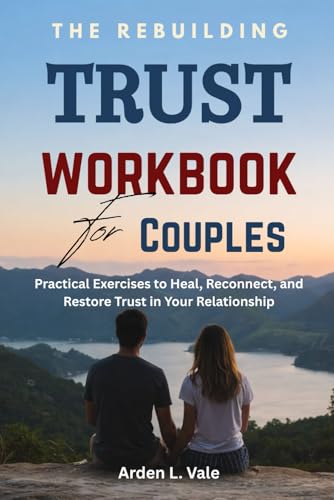
The Rebuilding Trust Workbook for Couples: Practical Exercises to Heal, Reconnect, and Restore Trust in Your Relationship
As an affiliate, we earn on qualifying purchases.
As an affiliate, we earn on qualifying purchases.
Conclusion
So, next time you spot those sneaky red flags, don’t ignore them like a bad sitcom rerun. Remember, ignoring the signs is like trying to hide a flaming torch behind your back—you’ll only burn yourself later. Instead, face the truth head-on, even if it means waving goodbye to your popcorn-worthy drama. Because in the end, dodging these red flags saves you from a lifetime of emotional reruns and heartbreak reruns—no subscription needed.

Walking Red Flag: Dating Advice from Your Favorite Guy Friend
As an affiliate, we earn on qualifying purchases.
As an affiliate, we earn on qualifying purchases.
Self Care Checklist: Healing After Betrayal in Marriage
As an affiliate, we earn on qualifying purchases.
As an affiliate, we earn on qualifying purchases.