
To heal after an ex cheats on you, focus on forgiving yourself and allowing emotional release. Acknowledge your feelings—anger, sadness, or betrayal—and process them without judgment. Accept that some questions may remain unanswered, and that’s okay. Find closure by embracing internal acceptance and focusing on your growth. Taking intentional steps toward forgiveness and emotional release helps rebuild trust in yourself. Keep going, and you’ll discover more ways to truly move on.
Key Takeaways
- Allow yourself to fully feel and process emotions like anger and sadness without judgment or suppression.
- Practice forgiveness by consciously releasing resentment, focusing on emotional release rather than forgetting or excusing the betrayal.
- Seek supportive activities such as journaling or talking with trusted friends to facilitate emotional healing.
- Accept that some questions may remain unanswered; focus on internal acceptance to find closure.
- Rebuild trust and self-esteem through intentional steps, opening space for growth and new beginnings.

Getting closure can feel like a challenging process, but it’s essential for moving forward after a breakup or any emotional upheaval. When your partner cheats on you, it shatters your trust and leaves you with a whirlwind of feelings—anger, sadness, confusion. To truly heal, you need to set out on a forgiveness journey that isn’t about excusing their actions but about releasing the pain that keeps you stuck. Forgiveness is a conscious choice, one that allows you to let go of resentment and bitterness. It’s not about forgetting or condoning what happened; instead, it’s about freeing yourself from the emotional weight that keeps you chained to the past. This process involves acknowledging your feelings fully, without judgment, and giving yourself permission to feel hurt. Only then can you begin to move toward emotional release, which is crucial for your healing.
As you work through your forgiveness journey, recognize that emotional release is a gradual process. It’s normal to experience setbacks or to find yourself dwelling on what went wrong. But each time you allow yourself to feel your anger or sadness without suppressing it, you’re taking a step closer to closure. This might involve journaling your feelings, speaking with a trusted friend, or engaging in activities that help you process your emotions. Remember, emotional release isn’t about forgetting or dismissing what happened; it’s about acknowledging your pain and choosing to let it go so it no longer controls your life. When you give yourself permission to grieve and truly feel your emotions, you create space for healing and growth. Additionally, incorporating practices such as comfort and support solutions can aid you in managing your emotional well-being during this time.
Getting closure also means accepting that you might not get all the answers you want. Sometimes, the truth about why someone cheats might remain elusive, and that’s okay. Closure often comes from within, from your decision to stop holding onto the past and to focus on your future. By working through your forgiveness journey and allowing emotional release, you’re reclaiming your power. You’re choosing to put your well-being first and to move forward without carrying the baggage of betrayal. The process isn’t easy, but it’s necessary for genuine healing. Ultimately, closure helps you rebuild your self-esteem, restore trust in yourself, and open your heart to new beginnings. Your healing journey begins with these small, intentional steps toward forgiveness and emotional release.

Trauma Healing Journal for Women: 90 Days Trauma Recovery Workbook with Prompts to Help Guide You Through Your Healing from Trauma | Self Help Gift for Adults
As an affiliate, we earn on qualifying purchases.
As an affiliate, we earn on qualifying purchases.
Frequently Asked Questions
How Long Does It Typically Take to Heal Emotionally?
It varies, but most people start to see emotional resilience develop within a few months, though full healing can take a year or more. Your healing timeline depends on your support system, self-care, and how deeply you were affected. Be patient with yourself, and remember that healing isn’t linear. With time and effort, you’ll rebuild your emotional strength and move forward stronger than before.
Can I Ever Trust Again After Infidelity?
Yes, you can trust again after infidelity, but it requires time and effort. Focus on trust rebuilding by communicating openly and setting clear boundaries. As you work through your emotional resilience, you’ll gradually feel more secure. Be patient with yourself, and remember that healing is a process. With consistent honesty and understanding, you’ll strengthen your ability to trust again and move forward confidently.
Should I Stay Friends With My Ex?
You should consider whether staying friends aligns with your emotional well-being. If you choose to stay, set clear boundaries to protect yourself and practice emotional detachment to avoid getting hurt again. Be honest about your needs and limits, and recognize that maintaining distance might be necessary for healing. Ultimately, prioritize your mental health and only stay friends if it feels safe and beneficial for your recovery.
How Do I Prevent Repeating Past Relationship Mistakes?
To prevent repeating past relationship mistakes, start with self-reflection to identify patterns, like Sarah’s tendency to overlook red flags. Then, set clear boundaries early on to protect your emotional well-being. For example, if a partner dismisses your feelings, address it immediately. Consistently practicing self-awareness and boundary setting helps you recognize warning signs and build healthier relationships, reducing the likelihood of repeating past mistakes.
Is It Possible to Forgive Without Forgetting?
Yes, you can forgive without forgetting. During your forgiveness journey, you acknowledge the pain and choose to let go of resentment, even as your emotional memory of the betrayal remains. Forgiving helps you heal and move forward, but it doesn’t erase the past. Instead, you learn to accept what happened, allowing your emotional memory to serve as a lesson rather than a source of ongoing hurt.
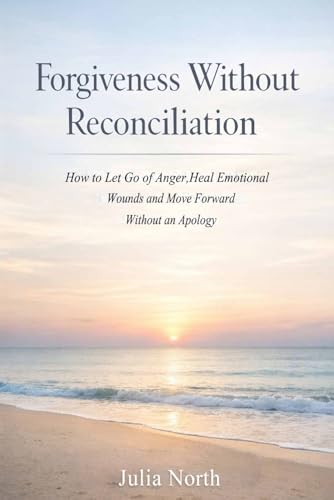
Forgiveness Without Reconciliation: How to Let Go of Anger, Heal Emotional Wounds, and Move Forward Without an Apology
As an affiliate, we earn on qualifying purchases.
As an affiliate, we earn on qualifying purchases.
Conclusion
Getting closure isn’t about forgetting or pretending it didn’t happen. It’s about accepting what’s done, forgiving what’s broken, and moving forward with strength. It’s about reclaiming your peace, reclaiming your power, and reclaiming your happiness. Remember, healing isn’t a destination; it’s a journey. Embrace the process, trust yourself, and know that you deserve love, respect, and happiness—above all, you deserve to be whole again.

MagnetRX® Magnetic Therapy Massage Fork – Multi–Functional Magnetotherapy Pen for Emotion Code Magnets, Meridian Massage Tool & Body Healing Magnets – Magnetoterapia Fisioterapia Portatil Aparatos
Superior Magnetic Strength: Unleash powerful wellness benefits with our magnetotherapy massager fork, which has powerful N52 neodymium magnets…
As an affiliate, we earn on qualifying purchases.
As an affiliate, we earn on qualifying purchases.

I Remember It All Too Well, But I'm Ready to Let Go of My Ex (Breakup Recovery Guide): Turn Heartache into Strength, Overcome Overthinking, and Rediscover Self-Worth
As an affiliate, we earn on qualifying purchases.
As an affiliate, we earn on qualifying purchases.