
Cultural backgrounds shape how you see cheating and what’s acceptable in relationships. In some societies, fidelity is tied closely to honor and family reputation, making betrayal a serious offense with social consequences. Other cultures may view infidelity as a private matter, with less stigma if it doesn’t threaten social stability. Your cultural norms influence whether cheating is condemned or tolerated, affecting relationship expectations. Explore further to understand how these cultural differences can impact your views and experiences.
Key Takeaways
- Cultural importance of honor and fidelity influences societal expectations and personal behavior regarding cheating.
- In some societies, cheating is a serious offense linked to family reputation, leading to social ostracism.
- Other cultures prioritize individual freedom, viewing infidelity as a private matter with less social stigma.
- Cultural norms and traditions shape perceptions of betrayal and influence how cheating is tolerated or condemned.
- Attitudes toward cheating vary globally, reflecting values, history, and social fabric of different communities.

Have you ever wondered how different cultures perceive cheating? In some societies, the concept of honor and fidelity is deeply intertwined with personal integrity and family reputation. When someone breaches these values, it’s seen not just as a betrayal of a partner but as a stain on the entire family’s honor. In such cultures, fidelity isn’t simply a personal choice; it’s a societal expectation that upholds social harmony and respect. Cheating can lead to shame and social ostracism, making individuals more cautious about their actions. These societies often emphasize the importance of maintaining a good reputation, which extends beyond the individual to their extended family and community. Because of this, fidelity is often regarded as a moral obligation rooted in cultural traditions, and dishonesty in relationships is viewed as a serious offense that can have long-lasting repercussions.
In contrast, other cultures might view cheating through a different lens, where societal expectations are less rigid or differently prioritized. Some societies may place more emphasis on personal freedom and individual happiness rather than strict adherence to honor. Here, cheating might be seen as a private matter, not necessarily affecting one’s standing within the community unless it becomes publicly known or causes harm. In these contexts, the focus may be on personal choice and emotional fulfillment, with less stigma attached to infidelity if it doesn’t threaten social or familial stability. The approach to fidelity can be more flexible, and societal expectations around honesty and commitment may not be as rigid, allowing individuals to navigate relationships with a different set of norms. Additionally, cultural norms shape how individuals interpret and respond to issues of fidelity and betrayal, influencing societal reactions and personal choices.
Understanding these cultural differences can help you realize that perceptions of cheating are not universal. They are shaped by the values, history, and social fabric of each society. For instance, in cultures where honor and fidelity are sacred, cheating is often considered a moral failing that damages not just the relationship but the individual’s entire social identity. Conversely, in other societies, such actions might be viewed as personal choices, less connected to cultural shame but more about individual circumstances. Recognizing this diversity helps you appreciate why attitudes toward cheating can vary so dramatically across borders. It also highlights that what’s acceptable or condemnable in one culture might be understood very differently in another, emphasizing the importance of cultural context when discussing relationship ethics.

Marsail Ergonomic Office Chair: Office Desk Chair with High Back Mesh and Adjustable Lumbar Support Rolling Work Swivel Task Chairs with Wheel 3D Armrests and Headrest
Fully Adjustable Office Chair: Customized chairs, featuring with an adjustable 2D headrest, backrest with 90° to 120° recline,...
As an affiliate, we earn on qualifying purchases.
Frequently Asked Questions
How Do Legal Systems Vary in Punishing Infidelity Worldwide?
Legal penalties for infidelity vary worldwide, reflecting cultural enforcement. In some countries, laws impose severe punishments like fines or imprisonment, and in others, legal consequences are minimal or nonexistent. You might find that legal systems align with cultural norms, where certain societies strictly enforce fidelity through legal means, while others focus more on social or religious sanctions. Understanding these differences helps you see how legal systems adapt to cultural expectations around relationships.
What Role Does Religion Play in Defining Cheating?
Religion acts as a mirror reflecting your moral compass, shaping what you see as right or wrong. Religious doctrines serve as guiding stars, offering moral authority that defines cheating’s boundaries. They symbolize a sacred code, urging fidelity and honesty. When you follow these teachings, you align with a higher purpose, making the act of cheating not just a personal choice but a breach against divine principles that govern your spiritual path.
How Do Age Groups Perceive Cheating Across Cultures?
You’ll find that generational attitudes toward cheating vary widely across cultures. Older age groups often adhere more strictly to traditional cultural norms, viewing cheating as a serious breach of trust. Younger generations, however, may see it as less condemnable, influenced by changing societal values. These differences shape how each age group perceives and respond to cheating, reflecting broader shifts in cultural norms and attitudes towards relationships.
Are There Differences in Female Versus Male Perspectives on Cheating?
Like two sides of a coin, gender differences shape perspectives on cheating. Women often view it as more emotionally impactful, feeling betrayed deeply, while men might see it as a lapse in judgment. You may find that women prioritize emotional fidelity, whereas men could focus on physical aspects. Recognizing these differences helps you understand that emotional impact varies, influencing how each gender perceives betrayal and maintains relationship boundaries.
How Does Socioeconomic Status Influence Attitudes Toward Infidelity?
You might find that socioeconomic status influences your attitude toward infidelity, as economic disparity often shapes perceptions of trust and loyalty. Those experiencing limited social mobility may view cheating as a way to cope with financial stress or insecurity, while individuals with higher status might see it as a breach of personal or moral standards. Your background can shape how you interpret infidelity, emphasizing the importance of economic stability in relationships.
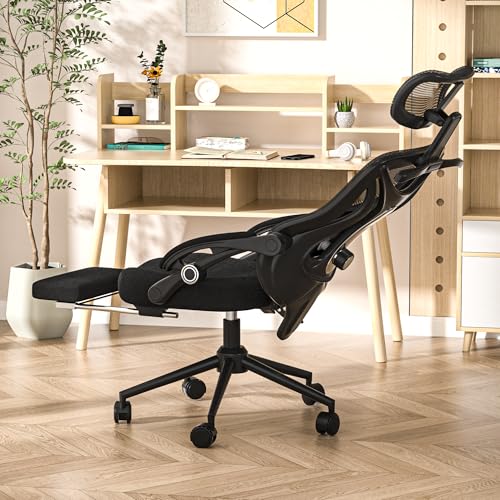
Ergonomic Office Chair with Footrest - Adjustable Lumbar Support & Headrest, 90-160° Reclining Mesh Back Computer Chair - Home Office/Gaming, 350lbs Capacity
This is more than a chair; it's a personalized comfort zone for work, rest, and play. We've meticulously...
As an affiliate, we earn on qualifying purchases.
Conclusion
Understanding how different cultures view cheating is like steering a river with many currents—what’s acceptable in one place may be taboo in another. Your perspective on fidelity shapes your relationships deeply, influenced by traditions and values. By recognizing these differences, you can steer your own course with greater empathy and awareness. Remember, just as every river has its own flow, every culture’s view on cheating adds unique depth to the complex landscape of relationships.

AreShark Office Chair Ergonomic Desk Chairs with Adjustable Lumbar Support& Headrest Hanger, High Back Breathable Mesh Chair with Wheels, Rolling Swivel Comfy Task Computer Chair for Home Work Gaming
Universal Fit for Home & Office: Engineered to accommodate users from 4'3" to 6'1" comfortably, this ergonomic office...
As an affiliate, we earn on qualifying purchases.
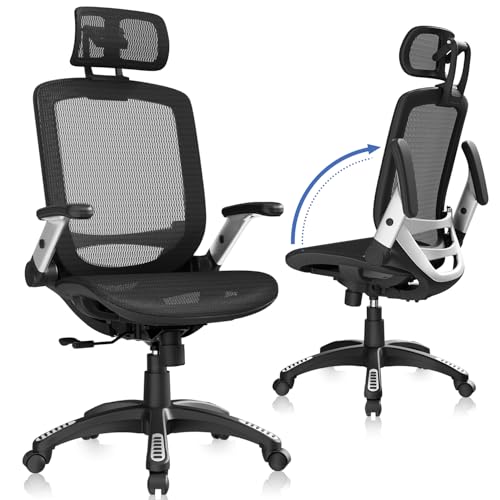
GABRYLLY Ergonomic Office Chair, High Back Home Desk Chair with Headrest, Flip-Up Arms, 90-120° Tilt Lock and Wide Cushion, Big and Tall Mesh Chairs for Man Woman, Black Task Chair
【ERGONOMIC OFFICE CHAIR】- The ergonomic chair provides 4 supporting points(head/ back/ hips/ hands) and a proper lumbar support....
As an affiliate, we earn on qualifying purchases.