To prevent old flames from sparking new problems, set clear emotional and physical boundaries with your ex. Limit or avoid contact, especially on social media, and focus on your own well-being. Communicate boundaries calmly and consistently, and stay firm even if tempted to reconnect. Managing your feelings and maintaining space helps protect your emotional health and keeps old issues from resurfacing. Keep exploring ways to strengthen these boundaries to ensure lasting peace and growth.
Key Takeaways
- Establish clear communication boundaries to limit emotional triggers and prevent misunderstandings.
- Unfollow or mute your ex on social media to reduce temptation and emotional resurfacing.
- Focus on your current goals and well-being to maintain emotional distance from past feelings.
- Use written communication when necessary to ensure thoughtful, controlled responses, avoiding impulsive interactions.
- Seek support from friends or therapists to reinforce boundaries and foster healthy emotional healing.

Managing boundaries with exes can be challenging, especially when emotions are still fresh. It’s normal to feel conflicted or nostalgic, but establishing clear limits is vital to prevent old flames from reigniting issues. One of the key strategies involves developing emotional detachment. This doesn’t mean you have to suppress your feelings or pretend the past didn’t matter; instead, it’s about creating a mental space that allows you to move forward without being overwhelmed by lingering attachment. You might find it helpful to remind yourself why the relationship ended and focus on your current goals and well-being. This perspective helps you maintain a healthier emotional distance, making it easier to stick to boundaries that protect your peace of mind.
Develop emotional detachment to protect your peace and maintain healthy boundaries after a breakup.
Alongside emotional detachment, setting communication boundaries is essential. Decide what kind of contact feels appropriate—whether it’s limited to necessary interactions or complete no-contact periods. When communicating, keep conversations focused on practical matters, avoiding topics that could stir up old feelings or lead to misunderstandings. Be clear and firm about your limits; for example, if you don’t want to discuss the past, communicate that explicitly. Consistency is key—if you sometimes engage and other times avoid certain topics, it confuses your ex and makes boundary enforcement harder. You might also consider limiting your interactions to written communication, which allows you to think before responding and reduces emotional impulsiveness.
Remember, boundaries are not just about what you say but also about how you feel. Cultivating emotional detachment isn’t about completely shutting down your feelings but rather about managing them so they don’t control your actions. This helps prevent you from falling into old patterns of dependency or regret. It’s also wise to establish physical boundaries—like avoiding places where you might run into your ex unexpectedly or unfollowing or muting them on social media to reduce temptation and emotional triggers. These steps reinforce your commitment to your boundaries and make it easier to stick to them.
Additionally, applying relationship boundaries strategies from established relationship management techniques can provide guidance and structure to your efforts. Lastly, don’t hesitate to seek support if you find yourself struggling. Talking to friends, a therapist, or support groups can provide perspective and encouragement. Remember, maintaining boundaries with your ex is about respecting your own emotional health and creating a space where you can heal and grow. It’s a process, and while it might feel uncomfortable at times, staying firm and consistent will help you prevent old problems from resurfacing and guarantee your path forward remains clear.
no contact social media block for ex
As an affiliate, we earn on qualifying purchases.
As an affiliate, we earn on qualifying purchases.
Frequently Asked Questions
How Do I Establish Boundaries With an Ex I Still See Regularly?
You should set clear communication boundaries with your ex and stick to them. Let them know your emotional limits, such as avoiding personal topics or overly intimate conversations. Be consistent and assertive, ensuring they respect your space. If needed, limit interactions or choose neutral settings to prevent old feelings from reigniting. Prioritizing your well-being helps maintain healthy boundaries and prevents complications from unresolved feelings.
Can Boundaries With an Ex Hurt Future Relationships?
Boundaries with an ex can impact your future relationships, but they mainly promote emotional safety and trust rebuilding. If you’re clear and consistent, they help you avoid past pitfalls and set healthy expectations. While some might worry boundaries create distance, they actually foster honest communication and respect. By safeguarding your emotional well-being now, you build a stronger foundation for future relationships, making it easier to trust and connect deeply later.
How Should I Handle Emotional Triggers From Past Relationships?
When emotional triggers from past relationships hit, you need emotional awareness to recognize them quickly. Instead of letting feelings spiral, use self-care strategies like deep breathing, journaling, or talking to a trusted friend. These tools help you process emotions healthily and prevent old wounds from taking over your present. Embrace your feelings without judgment, and remember, managing triggers is a crucial part of your growth and healing.
What Are Signs My Ex Isn’T Respecting My Boundaries?
If your ex dismisses your boundaries, watch for signs like emotional manipulation or passive aggression. They might ignore your requests, guilt-trip you, or respond coldly when you set limits. These behaviors show a lack of respect and can undermine your well-being. Trust your instincts—if your ex consistently disregards your boundaries, it’s a clear sign they aren’t respecting you, and you should consider reinforcing or reevaluating your boundaries for your emotional safety.
When Is It Time to Completely Cut off Contact With an Ex?
Think of your emotional health as a garden. When an ex keeps watering weeds of past attachment, it’s time to cut off contact. You need emotional detachment for healthy closure, freeing yourself to heal. If conversations trigger pain or hinder progress, cutting ties helps you move forward. When your boundaries are repeatedly ignored and healing stalls, it’s best to fully disconnect, allowing your garden to flourish anew without old, invasive roots.

A Young Woman's Guide to Setting Boundaries: Six Steps to Help Teens *Make Smart Choices *Cope with Stress * Untangle Mixed-Up Emotions
As an affiliate, we earn on qualifying purchases.
As an affiliate, we earn on qualifying purchases.
Conclusion
By setting clear boundaries with your ex, you’re building an impenetrable fortress around your heart—so strong that even the strongest old flames can’t break through. Think of it as installing an unstoppable force field that keeps drama and confusion at bay, allowing you to finally breathe freely and focus on your new chapter. Don’t let past sparks ignite wildfires; protect your peace fiercely, and watch your happiness blaze brighter than ever before.
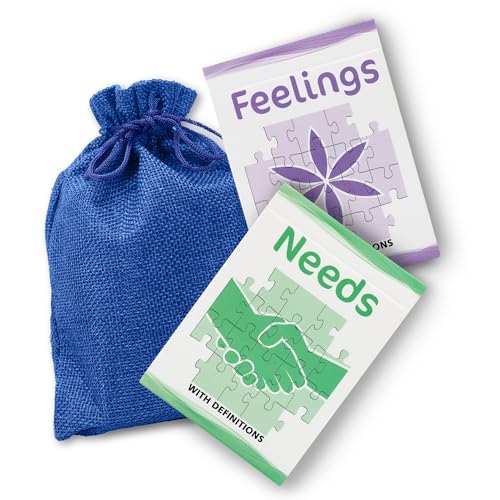
The Empathy Set: Definitions Edition – 112 Feelings and Needs Flash Cards for Emotional Literacy & Relational Harmony, User-Friendly Emotional Literacy Cards with Definitions & Four Synonyms
Express Yourself & Connect More – Easily identify your feelings and needs. Each card features a clear definition…
As an affiliate, we earn on qualifying purchases.
As an affiliate, we earn on qualifying purchases.

Boundaries in Marriage: Understanding the Choices That Make or Break Loving Relationships
As an affiliate, we earn on qualifying purchases.
As an affiliate, we earn on qualifying purchases.