
Breaking the shame cycle means understanding that porn addiction isn’t a moral failure but driven by emotional triggers like loneliness, stress, or boredom. When you see it this way, you can approach recovery with compassion and patience. Recognizing these triggers helps you develop healthier coping strategies and break recurring patterns. If you keep exploring, you’ll discover ways to shift your perspective and build a longer-lasting sense of self-worth along the way.
Key Takeaways
- Porn addiction is driven by emotional triggers like loneliness and stress, not moral weakness.
- Recognizing triggers helps shift focus from shame to understanding underlying causes.
- Viewing the issue as a complex emotional response promotes self-compassion and recovery.
- Developing healthy coping strategies reduces reliance on compulsive behaviors.
- Emphasizing healing over blame fosters long-term growth and a healthier self-relationship.

Many people who struggle with porn addiction feel trapped in a cycle of shame and secrecy. It’s easy to believe that the addiction reflects moral weakness or personal failure, but understanding the underlying factors can help you break free. One key component is recognizing your emotional triggers—those specific feelings, thoughts, or situations that drive you toward compulsive behavior. For example, loneliness, stress, boredom, or anxiety can all serve as powerful triggers that make it harder to resist the urge to turn to porn. When you’re aware of these triggers, you can start developing coping strategies that address the root cause instead of just the behavior itself.
Recognize emotional triggers like loneliness and stress to break free from porn addiction.
Coping strategies are essential because they give you healthier ways to handle your emotions instead of resorting to pornography. Instead of reacting impulsively, you can learn to pause and identify what you’re feeling. For instance, if loneliness is driving you to seek comfort through porn, reaching out to a friend or engaging in social activities might be more effective. If stress or anxiety seem to push you toward compulsive viewing, practicing deep breathing, meditation, or physical activity can help you manage those feelings more productively. The goal is to replace impulsive responses with intentional actions that serve your well-being.
It’s also important to understand that emotional triggers are often deeply rooted in your experiences and habits. Recognizing these patterns takes time and self-compassion. You might notice that after a stressful day, your default is to seek escape through porn, or that certain environments, like being alone late at night, make temptation stronger. Once you identify these patterns, you can create specific coping strategies tailored to each trigger. This might involve setting boundaries, establishing routines that promote healthy habits, or finding alternative outlets for your emotions, such as journaling or engaging in hobbies.
Breaking the shame cycle means shifting your perspective from viewing your addiction as a moral failing to understanding it as a complex issue influenced by emotional and psychological factors. Recognizing that emotional triggers are often deeply rooted in your experiences and habits can help you develop more effective coping strategies. By addressing emotional triggers and employing effective coping strategies, you empower yourself to regain control. Remember, recovery isn’t linear, and setbacks are part of the process. Be patient with yourself, and celebrate small victories along the way. Recognizing that your struggles don’t define your worth is a crucial step toward healing and building a healthier relationship with yourself and your emotions.

TEEHO TE001 Keyless Entry Door Lock with Keypad - Smart Deadbolt Lock for Front Door with 2 Keys - Auto Lock - Easy Installation - Satin Nickel
Passcode Entry: This keypad lock offers 20 access codes for family use and a temporary code for single-use...
As an affiliate, we earn on qualifying purchases.
Frequently Asked Questions
Can Porn Addiction Be Completely Cured?
Porn addiction can be managed and markedly reduced, but saying it’s completely cured depends on your moral judgment and spiritual beliefs. You might find that with consistent effort, support, and understanding, you can regain control. Remember, many view addiction as a challenge rather than a moral failing. Your beliefs can shape your healing journey, helping you approach recovery with compassion rather than shame. Progress varies, but hope and persistence are key.
How Does Porn Addiction Affect Mental Health?
You might not realize it, but porn addiction can markedly impact your mental health, creating emotional chaos and feelings of shame or guilt. It often leads to anxiety, depression, and poor self-esteem. To break free, you need effective coping strategies that address these emotional struggles head-on. Recognizing the connection between your mental health and porn use is the first step toward healing and regaining control over your well-being.
Are There Age or Gender Differences in Porn Addiction?
You’ll find that age differences and gender variations influence porn addiction patterns. Younger individuals, especially teens and young adults, may be more vulnerable due to curiosity and hormonal changes. Men tend to develop porn habits more frequently and intensely than women, though women’s use is rising. Recognizing these differences helps you understand your own experiences and seek tailored support, breaking the shame cycle and fostering healthier habits.
What Role Do Genetics Play in Porn Addiction?
Genetics can influence your likelihood of developing a porn addiction through genetic predisposition and neurochemical factors. If you have a family history of addiction, you might be more vulnerable because your brain’s chemistry responds differently to stimuli like porn. These genetic traits affect how your brain processes reward and pleasure, making it harder to control urges. Recognizing this helps you understand that addiction isn’t solely about choice but also biology.
How Can I Support Someone Struggling With Porn Addiction?
You can support someone struggling with porn addiction by providing unwavering emotional support and practicing effective communication. Visualize creating a safe space where they feel heard and understood, not judged. Show empathy and patience, encouraging openness without pressure. Offer to listen without giving unsolicited advice, and remind them they’re not alone. Your consistent support helps break the shame cycle and fosters trust, empowering them to seek help and healing.

Smart Deadbolt Door Lock with Keypad:Yamiry Fingerprint Keyless Entry Deadbolt,Digital Smart Locks for Front Door,Electronic Code,Easy Installation
AI fingerprint:Adopting AI algorithm + AI chip, it retains 2 fixed fingerprints and 3 self-learning fingerprints, which can...
As an affiliate, we earn on qualifying purchases.
Conclusion
Remember, overcoming porn addiction isn’t about moral failing; it’s about understanding that shame often fuels the cycle. By recognizing that addiction is rooted in complex psychological and neurological factors, you can approach recovery with compassion and patience. Some experts suggest that viewing addiction as a brain rewiring process, rather than a moral weakness, offers a more effective path forward. Embrace this perspective, and take empowered steps toward healing without guilt weighing you down.
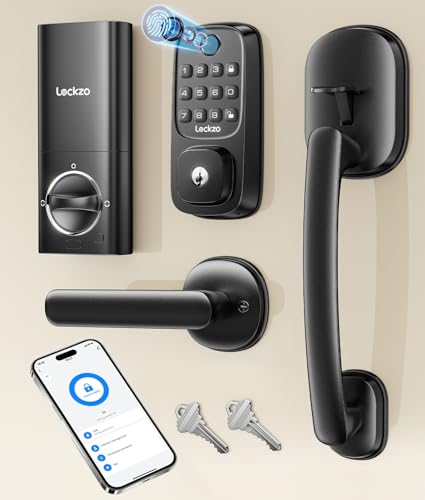
Smart Deadbolt Lock Fingerprint with 2 Lever Handles, Keyless Entry Front Door Lock Set, Electronic Keypad Lock, App Control - Auto Lock, Long Battery Life, Secure Home Basic Locks
Keyless Entry: Effortless Access,Say goodbye to keys with this keyless entry door lock. Unlock via fingerprint, keypad, app,...
As an affiliate, we earn on qualifying purchases.

Veise VE017 Fingerprint Smart Door Lock, App Control, 8-in-1 Keyless Entry, Auto Lock, Emergency Power Port, Electronic Touchscreen Keypad, Biometric Smart Locks for Front Door, Matte Black
Smart User Management: Our smart user management system empowers you to take full, remote control of your property...
As an affiliate, we earn on qualifying purchases.