

Engaging in affairs with subordinates creates a dangerous power imbalance that can ruin careers and trust. It blurs professional boundaries, making it hard to maintain objectivity and fairness. This can lead to favoritism, resentment, and serious legal or organizational consequences. Secrets often surface, causing lasting damage to reputations and team morale. If you want to understand how these dynamics can impact your work life and what to do about them, keep exploring.
Key Takeaways
- Power imbalances in workplace affairs can lead to favoritism, bias, and unfair treatment of subordinates.
- Such relationships often blur professional boundaries, risking legal issues and organizational reputation damage.
- Discovery of affairs can cause resentment, mistrust, and undermine team morale and cohesion.
- Personal feelings may impair objectivity, influencing evaluations, promotions, and decision-making processes.
- Maintaining ethical boundaries preserves organizational integrity, fairness, and protects against potential legal and personal repercussions.

Engaging in an affair with a subordinate can seem tempting, but it often leads to serious professional and personal consequences. When you blur the lines between personal desire and workplace boundaries, you create a power imbalance that can have long-lasting effects. As a superior, your influence over your subordinate’s career, evaluations, and future opportunities puts you in a position of authority that can easily be exploited. This imbalance makes it difficult for the subordinate to freely consent or voice concerns, as they might fear retaliation or negative repercussions. Such dynamics can quickly spiral out of control, transforming a private relationship into a workplace scandal or even legal trouble.
Pursuing a workplace affair risks damaging careers and creating dangerous power imbalances that can spiral into scandal and legal issues.
The biggest danger here is crossing ethical boundaries that are in place to protect both employees and the organization. Many companies have strict policies against relationships between managers and subordinates, precisely because of the complications that can arise. When you start an affair, you risk damaging your reputation, undermining your credibility, and eroding the trust others have in your leadership. Ethical boundaries aren’t just rules—they’re safeguards designed to maintain fairness, transparency, and a respectful work environment. Ignoring these boundaries doesn’t just jeopardize your integrity; it also creates a toxic environment where favoritism, gossip, and resentment thrive.
You might think that keeping the affair discreet will prevent fallout, but the truth is that secrets tend to surface, especially in a workplace where relationships influence decision-making. If others discover the affair, it can lead to accusations of favoritism or harassment, which can tarnish your career permanently. Even if the relationship remains private, the emotional and psychological toll can be significant. You might find yourself caught in a web of guilt, stress, and paranoia, all of which impair your ability to lead effectively. The subordinate involved could also suffer professionally and personally, feeling trapped or undervalued, which harms morale and productivity for the entire team.
Furthermore, engaging in such a relationship complicates your ability to maintain objectivity and fairness. As a leader, your responsibilities include making unbiased decisions that benefit the organization and its employees. When personal feelings come into play, your judgment can become clouded, risking biased treatment or favoritism. This not only damages your reputation but can also lead to legal challenges, especially if the relationship becomes a source of discomfort or discrimination claims. Additionally, understanding divorce statistics and the importance of legal boundaries can provide perspective on how relationships, whether personal or professional, require clear limits to prevent damage. Ultimately, it’s wise to recognize that the risks of crossing ethical boundaries and disrupting the power balance far outweigh any short-term gratification. Protect your integrity, your career, and your team by respecting the professional limits that keep workplace relationships healthy and fair.

Leadership by the Book: Tools to Transform Your Workplace – An Inspiring Parable on Management, Faith, and Ethics for Business and Community Leaders
Achieve goals without sacrificing character or faith
As an affiliate, we earn on qualifying purchases.
As an affiliate, we earn on qualifying purchases.
Frequently Asked Questions
What Legal Consequences Can Arise From Workplace Affairs?
You could face serious legal liabilities if workplace affairs lead to harassment claims or discrimination lawsuits. Privacy violations might also occur if sensitive information is improperly shared or accessed, resulting in legal action. Employers can take disciplinary measures or even terminate your employment. Be aware that workplace affairs can complicate legal situations, so understanding your rights and potential consequences helps you avoid costly legal issues down the line.
How Do Companies Typically Handle Allegations of Office Affairs?
When allegations surface, companies often nip office gossip in the bud by conducting discreet investigations, emphasizing the importance of relationship boundaries. They typically handle these situations with a mix of sensitivity and firm policies, sometimes involving HR or legal teams to ensure fairness. You should know that maintaining professionalism is key; otherwise, the company might take disciplinary action or even terminate employment to safeguard the work environment.
Can an Affair With a Subordinate Impact Career Advancement?
Yes, an affair with a subordinate can impact your career advancement. The power dynamics involved often blur professional boundaries, leading to questions about favoritism or misconduct. Such relationships can damage your reputation, cause mistrust among colleagues, and result in disciplinary actions or limited opportunities. Maintaining clear professional boundaries helps protect your career, ensuring that your actions are viewed as ethical and aligned with workplace standards.
What Are Signs of an Inappropriate Workplace Relationship?
When something feels off, it’s often a sign of an inappropriate workplace relationship. You might notice a power imbalance, where boundaries aren’t clear, and emotional boundaries are blurred. If a colleague or boss crosses personal lines, shows favoritism, or seeks to isolate you, it’s time to pay attention. Trust your instincts—these signs indicate that a relationship may be crossing professional boundaries and could harm your work environment.
How Can Employees Protect Themselves in Power-Imbalance Situations?
You can protect yourself in power-imbalance situations by clearly setting and maintaining personal boundaries. Recognize the signs of an imbalance, like favoritism or pressure to compromise your values. Always document interactions that feel uncomfortable, and don’t hesitate to seek support from HR or trusted colleagues. Trust your instincts, assert your boundaries confidently, and remember that your well-being and integrity come first.
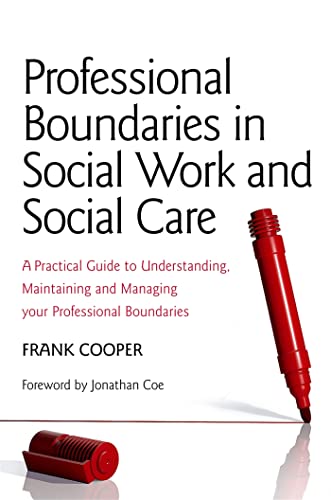
Professional Boundaries in Social Work and Social Care: A Practical Guide to Understanding, Maintaining and Managing Your Professional Boundaries
As an affiliate, we earn on qualifying purchases.
As an affiliate, we earn on qualifying purchases.
Conclusion
Remember, when you chase after forbidden fruit with a subordinate, you’re playing with fire that can burn everything down. The power balance is a fragile dance, easily tipped into chaos, leaving scars that linger long after the flames die. Protect your integrity like a lighthouse guards its light—steadfast and unwavering. Don’t let desire blind you to the storm brewing beneath, because in the end, the true cost of betrayal is a shipwreck you’d wish you never sailed.

Custom Name Policy Analyst Inspirational Wall Art Poster for Bedroom, Office, Living Room, Policy Analyst Hourly Rates Print Canvas, Wall Decor 10AZ2171
Decor for Inspirational: Inspirational pictures wall decor; Inspirational decor for girls room; Inspirational posters for girls bedroom; gifts…
As an affiliate, we earn on qualifying purchases.
As an affiliate, we earn on qualifying purchases.

DOT Handbook: A Compliance Guide for Truck Drivers (5" W x 7" H, English, Spiral Bound) – Provides References for FMCSA and DOT Regulations, J. J. Keller & Associates, Inc.
Handy reference covers critical elements of truck driver training including key FMCSA regulatory compliance topics, general info about…
As an affiliate, we earn on qualifying purchases.
As an affiliate, we earn on qualifying purchases.