

When you’re in an affair, an “affair fog” takes over, clouding your judgment and making it hard to see the risks involved. This emotional and chemical haze floods your brain with adrenaline and dopamine, overriding logical thinking. As a result, you may ignore warning signs or make impulsive decisions you’d usually question. Recognizing this fog is the first step to understanding your actions—continue on to uncover how to regain mental clarity and make healthier choices.
Key Takeaways
- Emotional confusion caused by the affair fog distorts perception, making rational judgment difficult.
- Chemicals like adrenaline and dopamine override logical thinking, creating a distorted sense of happiness.
- Heightened emotions impair awareness of risks, leading to impulsive and reckless decisions.
- The fog deepens as emotional arousal increases, making it harder to recognize the truth over time.
- Awareness and pausing can help individuals regain clarity before acting on impulse.

Have you ever wondered why affairs often feel like a confusing haze, clouding judgment and emotions? It’s because, in these moments, your mind is caught in what’s known as the “affair fog”—a state of emotional confusion that distorts your perception of reality. During this fog, your thoughts become muddled, and your ability to make clear decisions diminishes. You might find yourself rationalizing behaviors you’d normally question or ignoring warning signs that would typically alert you to danger. This haze doesn’t just cloud feelings; it actively impairs your decision-making process, making it difficult to weigh consequences objectively. Instead, your choices are driven by heightened emotions, impulsiveness, and a desire to escape reality rather than by rational thought.
The affair fog distorts reality, impairing judgment and fueling impulsive, emotionally driven decisions.
When you’re caught in this emotional confusion, your brain is flooded with adrenaline, dopamine, and other chemicals associated with excitement and novelty. These chemicals temporarily override your logical reasoning, creating a distorted sense of happiness or fulfillment. You may convince yourself that this affair is harmless or that it’s a way to fill an emotional void, but in reality, your judgment is compromised. The decision impairment that comes with the affair fog makes it hard to see the full picture. You might ignore your partner’s feelings, dismiss the long-term consequences, or underestimate the risks involved. The emotional turbulence clouds your ability to think straight, and this can lead to reckless or impulsive actions.
This mental state is especially dangerous because it feeds on itself. The more you feel swept away by emotion, the harder it becomes to recognize the truth. Rational thoughts get pushed aside, replaced by fleeting feelings of euphoria or desperation. You might find yourself making promises or commitments you wouldn’t normally consider, simply because your emotional state is overwhelmed. The decision impairment becomes a barrier to rational judgment, and you may not realize the extent of the damage until well after the fog has lifted. This clouded thinking often leads to regret, guilt, or even more confusion, making it difficult to see your way out of the situation or to recover your sense of clarity. Recognizing the role of chemical imbalances and emotional hijacking in the affair fog can help you understand how emotional hijacking influences behavior and decision-making.
Understanding the role of emotional confusion and decision impairment in the affair fog can help you recognize these states when they happen. Once aware, you can take steps to pause, reflect, and regain clarity before acting impulsively. Recognizing that your judgment is compromised is the first move toward making healthier, more conscious choices.

Breathing Lamp Guided Visual Meditation Tool for Mindfulness,Anxiety Relief&Calm Your Mind for Stress&Visual Relaxation and Restful Sleep,478 Seconds Breathing Rate Change 3 Colors,Gift for Kids
Breathing Lamp Function: A mindful breathing lamp is a powerful and effective tool that can help you reduce…
As an affiliate, we earn on qualifying purchases.
As an affiliate, we earn on qualifying purchases.
Frequently Asked Questions
How Long Does the “Affair Fog” Typically Last?
The “affair fog” typically lasts from a few weeks to several months, during which you experience blurred emotional clarity and decision paralysis. In this period, your judgment is clouded by intense feelings and denial, making it hard to see the situation clearly. As time passes, clarity often returns, helping you evaluate your choices more rationally. Patience and self-awareness are key to steering through this confusing phase effectively.
Can Therapy Help Clear the “Affair Fog”?
Imagine your mind as a foggy mountain trail; therapy acts as a clearing storm, revealing emotional clarity. It helps you see past illusions and unearth truths, guiding you through cognitive restructuring. Yes, therapy can help lift the “affair fog,” allowing you to think more clearly, understand your feelings, and make healthier decisions. With patience and support, you’ll find your way back to a balanced, honest perspective.
Does the “Affair Fog” Affect All Types of Affairs Equally?
The “affair fog” doesn’t impact all affairs equally; it varies based on relationship dynamics and emotional attachment. If you’re deeply emotionally attached or in a complex relationship, the fog can cloud your judgment more. Conversely, in casual or less emotionally involved affairs, you might think more clearly. Your level of emotional investment and the nature of your relationship influence how strongly the affair fog affects your decision-making.
Are There Warning Signs Before Entering the “Affair Fog”?
Yes, warning signs like emotional impulsivity and compulsive secrecy often appear before you enter the “affair fog.” You might feel more impulsive than usual, acting on fleeting emotions without clear thinking. You may also start hiding details or lying about small things. These behaviors signal you’re heading into foggy thinking, where rational judgment diminishes. Recognizing these signs early can help you pause and reconsider your actions before things spiral out of control.
How Does the “Affair Fog” Impact Decision-Making Post-Affair?
Like steering through a storm at sea, the affair fog clouds your judgment, causing emotional distortion and impairing decision-making after the affair ends. You might find it hard to see situations clearly, struggle with guilt or denial, and make choices based on fleeting emotions rather than reason. This lingering fog can hinder healing, making it tough to rebuild trust and move forward with clarity and confidence.
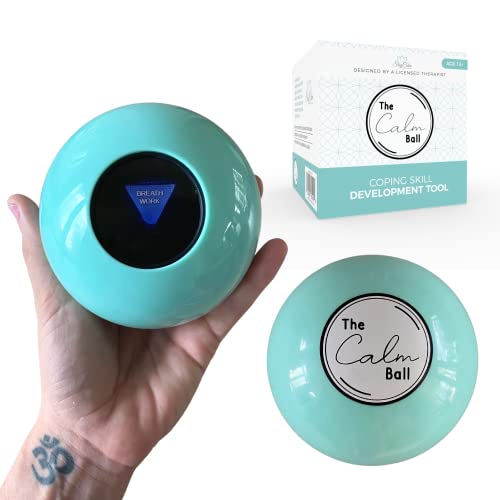
The Calm Ball – Therapist-Designed Coping Skills Magic 8 Ball with 20 Calming Strategies & Guidebook – Emotional Regulation Tool & Mental Health Gift for Teens, Adults, Therapists & Classrooms
🎱 Fun and Engaging Therapist-Designed Tool: The Calm Ball is an innovative spin on a classic toy, resulting…
As an affiliate, we earn on qualifying purchases.
As an affiliate, we earn on qualifying purchases.
Conclusion
So, next time you find yourself caught in the “affair fog,” remember that clarity often gets lost in the chaos. Your emotions can cloud your judgment, making it hard to see the full picture. But ask yourself—are you truly making decisions based on truth, or just chasing fleeting feelings? Recognizing this fog is the first step toward clear thinking. Don’t let confusion steer your life—your future deserves your clearest, most honest choices.

Social Skills Boost Social and Communication Skills Autism ADHD Encourage Positive Decision Making Social Emotional Learning Activities The Shoulds and Should Nots
SOCIAL SKILLS DEVELOPMENT: This book aims to enhance kids' social skills by showcasing photos of both appropriate and…
As an affiliate, we earn on qualifying purchases.
As an affiliate, we earn on qualifying purchases.