
Shame and secrecy create a destructive cycle that worsens your struggles with porn dependency. When you hide your habits, it deepens feelings of shame and isolates you further, making recovery harder. Each failed attempt to quit heightens self-criticism, fueling more secrecy and emotional weight. Recognizing how shame and hiding reinforce each other is vital to breaking free. If you keep going, you’ll discover ways to confront this cycle and start your healing journey.

Get gifts for the two of you delivered free — and shop member deals
- Fast, free delivery on millions of items
- Access to Prime Big Deal Days deals on October 6–7
- Prime Video, Amazon Music and more included
Key Takeaways
- Shame causes individuals to hide their struggles, leading to increased secrecy and emotional burden.
- Secrecy fosters isolation, preventing support and reinforcing feelings of unworthiness.
- The cycle of shame and secrecy intensifies, making recovery more difficult over time.
- Failed attempts to quit deepen self-criticism, increasing shame and the urge to conceal behaviors.
- Overcoming secrecy and confronting shame are crucial steps for healing and building self-compassion.
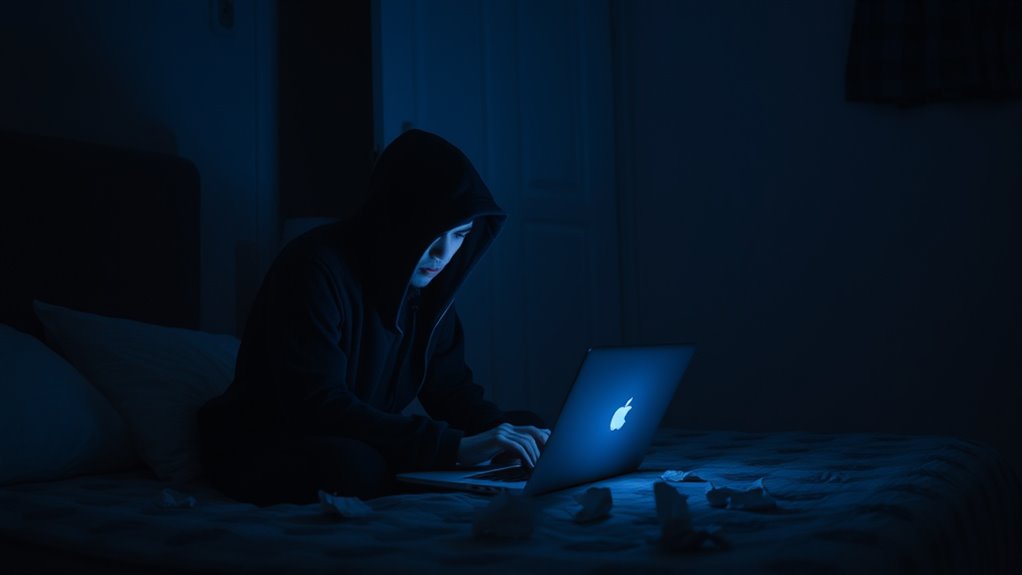
Many people struggling with porn dependency feel overwhelmed by shame and keep their struggles hidden out of fear of judgment. This emotional shame becomes a heavy weight that’s difficult to shed, and it often keeps you trapped in a cycle of secrecy. When you hide your habits, you reinforce the idea that there’s something inherently wrong with you, which deepens your feelings of unworthiness. The secrecy impact is profound—by concealing your behavior, you create a barrier between yourself and others, making it harder to seek support or understanding. Instead of addressing the root causes, you end up reinforcing the shame, convincing yourself that your addiction is something to be ashamed of and hidden away.
Hiding your struggles deepens shame and creates barriers to support and healing.
This cycle of emotional shame feeds your need for secrecy. You might lie to loved ones, avoid conversations about your struggles, or dodge any situation that could expose your dependency. Every lie or avoidance adds to the burden, making you feel more isolated. The secrecy impact is not just about hiding your porn use; it’s about hiding your true self, your vulnerabilities, and your pain. Over time, this shroud of secrecy becomes a barrier to genuine connection. You start to believe that if anyone finds out, they’ll judge or reject you, which fuels your shame further. It’s a vicious loop—shame makes you hide, and hiding intensifies your shame.
You may notice that, during this cycle, your emotional shame intensifies with each failed attempt to quit or reduce your consumption. You might think, “Why can’t I just stop?” or “There’s something wrong with me,” which only deepens your self-criticism. The more you judge yourself, the more you cling to secrecy as a way to protect yourself from shame’s sting. Ironically, the very act of hiding keeps shame alive. It convinces you that your struggle is a personal failing, rather than a challenge you can overcome with support. Recognizing the importance of secure payment processing can help you understand how legitimate services support your recovery journey by providing safe and confidential avenues for assistance.
Breaking free from this cycle requires recognizing how emotional shame and secrecy impact your mental health and relationships. When you allow yourself to confront these feelings honestly, you create space for healing. Opening up, even just to yourself initially, can lessen the power shame holds over you. Remember, you’re not alone in this, and shame doesn’t have to define your story. By gently dismantling secrecy and facing your emotional shame, you take the first step toward recovery and greater self-compassion.
confidential therapy for porn addiction
As an affiliate, we earn on qualifying purchases.
As an affiliate, we earn on qualifying purchases.
Frequently Asked Questions
How Can I Tell if I Have a Porn Dependency?
If you find yourself repeatedly turning to porn to escape emotions or cope with stress, you might have a dependency. Notice if emotional triggers like loneliness, boredom, or anxiety lead you to watch porn more often. When you rely on it as your primary coping strategy and feel guilt or shame afterward, it’s a sign. Recognizing these patterns helps you seek healthier coping strategies and break the cycle.
Are There Effective Treatments for Porn Addiction?
Your struggle might feel like an uphill battle, but effective treatments do exist. Focusing on emotional awareness helps you understand triggers and patterns, while relapse prevention strategies keep you on track. Therapy, support groups, and possibly medication can be highly beneficial. You can regain control and break free from porn dependency by actively working through these approaches with guidance and dedication. Remember, change is possible with the right support.
What Role Does Childhood Trauma Play in Porn Dependency?
Childhood trauma can profoundly influence your porn dependency by creating emotional scars and unresolved issues. Early trauma may lead you to seek comfort or escape through pornography as a way to cope with feelings of shame, loneliness, or pain. These emotional scars can make it harder to establish healthy relationships and boundaries, reinforcing the dependency cycle. Recognizing this connection is essential for healing and addressing underlying issues effectively.
Can Porn Dependency Affect My Relationships Long-Term?
Imagine your relationships as a delicate vintage record, easily scratched by unresolved issues. Porn dependency can damage emotional intimacy and erode trust over time, making it hard to connect deeply with others. Long-term, it may cause partners to feel distant or betrayed. With effort, you can rebuild trust and foster genuine intimacy by being honest, seeking help, and working through underlying issues. Your relationships can heal and become stronger.
How Do I Overcome Shame Associated With Porn Use?
To overcome shame associated with porn use, focus on stigma reduction and emotional healing. Acknowledge your feelings without judgment, and remind yourself that you’re not alone. Seek support from trusted friends, a therapist, or support groups to share your experiences openly. Embrace self-compassion, and understand that healing takes time. By actively working on these steps, you can break free from shame and foster a healthier, more accepting view of yourself.
self-help books on shame and secrecy
As an affiliate, we earn on qualifying purchases.
As an affiliate, we earn on qualifying purchases.
Conclusion
You might think hiding your addiction keeps it hidden, but shame and secrecy only deepen the cycle. Ironically, the more you conceal, the more power it gains over you. Instead of breaking free, you keep reinforcing the shame that keeps you trapped. Recognizing this pattern is the first step toward freedom. So, maybe, opening up isn’t a sign of weakness but the very act that sets you free from the cycle you’re trying to hide.
support groups for porn dependency
As an affiliate, we earn on qualifying purchases.
As an affiliate, we earn on qualifying purchases.
online counseling for sexual addiction
As an affiliate, we earn on qualifying purchases.
As an affiliate, we earn on qualifying purchases.
Fall Picks
fall essentials
As an affiliate, we earn on qualifying purchases.