

To recover from betrayal trauma, focus on practicing self-care that nurtures your emotional resilience and rebuilds trust at your own pace. Prioritize rest, nutritious foods, and gentle activities like mindfulness or journaling to help process feelings. Surround yourself with supportive people and set clear boundaries. Remember, healing isn’t linear, so celebrate small victories along the way. To discover more effective strategies for your journey, explore ways to foster emotional strength and self-compassion.
Key Takeaways
- Prioritize emotional self-care by journaling, acknowledging feelings, and celebrating small victories in your healing journey.
- Establish clear boundaries and communicate honestly to rebuild trust and create a safe space for recovery.
- Focus on physical health through adequate sleep, nutrition, and exercise to support emotional resilience.
- Surround yourself with supportive, understanding people and consider professional therapy to guide healing.
- Practice patience and self-compassion, recognizing that healing is gradual and progress may be non-linear.

Recovering from betrayal trauma can feel overwhelming, but prioritizing self-care is essential for healing. When you’ve experienced betrayal, it’s natural to feel a whirlwind of emotions—anger, sadness, confusion. In this vulnerable time, focusing on your well-being helps you regain a sense of stability and control. One of the most important steps is working on trust rebuilding, which takes patience and consistent effort. Trust doesn’t mend overnight, especially after it’s been broken so deeply. Start small by being honest with yourself about your feelings and boundaries. Surround yourself with supportive people who respect your process, and be gentle with your expectations. As you gradually rebuild trust, remember that it’s a journey, not a destination. Every small step forward helps strengthen your emotional resilience, the inner strength that allows you to bounce back from setbacks. Cultivating emotional resilience involves developing coping strategies that empower you to handle distress without becoming overwhelmed. Practice mindfulness or meditation to stay present and grounded, which can help you manage intense emotions. Journaling your thoughts provides a safe outlet and helps you process your feelings, making them less overwhelming. Prioritize sleep, nutrition, and physical activity—they’re foundational to emotional stability. When your body feels supported, your mind can better handle the emotional upheaval. Additionally, understanding the role of home theatre projectors in creating a comforting space can also contribute to your healing environment. It’s also important to set boundaries—be clear about what you’re comfortable with and communicate this to those around you. This creates a safe space for healing and helps prevent further emotional harm. Don’t hesitate to seek professional help if needed; a therapist can guide you through trust rebuilding and help develop resilience strategies specifically tailored to your situation. Remember, healing is not linear. Some days will be better than others, and setbacks are part of the process. Celebrate small victories, like asserting your needs or recognizing progress in your emotional resilience. As you focus on these self-care practices, you’ll find that your capacity to trust again gradually increases, and your emotional strength grows stronger. Be patient with yourself and recognize that healing takes time. You’re actively working towards regaining control over your emotions and rebuilding trust, which are vital for moving forward. Self-care isn’t just about pampering; it’s about creating a foundation for emotional recovery and resilience. By prioritizing your mental and physical health, you’re empowering yourself to heal from betrayal trauma and reclaim your sense of inner peace. Keep reminding yourself that every step, no matter how small, is progress toward a healthier, more resilient you.

Trauma Healing Journal for Women: 90 Days Trauma Recovery Workbook with Prompts to Help Guide You Through Your Healing from Trauma | Self Help Gift for Adults
As an affiliate, we earn on qualifying purchases.
As an affiliate, we earn on qualifying purchases.
Frequently Asked Questions
How Do I Rebuild Trust in Myself After Betrayal?
To rebuild trust in yourself after betrayal, practice self-compassion and acknowledge your feelings without judgment. Focus on small achievements to strengthen your emotional resilience, proving to yourself that you can handle difficult emotions. Set healthy boundaries and celebrate your progress, no matter how minor. Trust grows as you learn to listen to your needs, forgive yourself, and recognize your strength in overcoming pain. Slowly, you’ll rebuild confidence and trust in your own judgment.
When Should I Consider Couples Therapy Again?
When you feel emotionally ready and notice improvements in your communication, it’s time to consider couples therapy again. Remember, “Rome wasn’t built in a day,” so trust your instincts and don’t rush the process. If you’re both willing to work through lingering issues and rebuild your connection, therapy can help facilitate healing. Trust your intuition and make sure you’re emotionally prepared before taking this step forward.
How Can I Differentiate Between Healing and Avoiding Pain?
You can differentiate between healing and avoiding pain by developing emotional awareness. Healing involves accepting pain as part of the process and allowing yourself to feel it fully. Avoidance, on the other hand, manifests as numbing or distracting yourself from pain instead of confronting it. When you’re honest with your emotions and recognize when you’re sidestepping discomfort, you’re on the path to genuine healing rather than avoidance.
What Are Signs I’M Ready to Move Forward?
You’re ready to move forward when you feel emotionally ready and notice personal growth. This means you no longer feel overwhelmed by past pain and can focus on your healing journey. You might find yourself embracing new opportunities, setting healthy boundaries, and trusting yourself again. When these signs become consistent, it indicates you’re genuinely progressing, and it’s a healthy step toward rebuilding your life beyond betrayal trauma.
How Do I Handle Intrusive Thoughts Related to Betrayal?
Did you know that practicing mindfulness can reduce intrusive thoughts by up to 30%? To handle those betrayal-related thoughts, focus on emotional awareness by acknowledging them without judgment. Use mindfulness techniques like deep breathing or grounding exercises to stay present. When intrusive thoughts come, gently redirect your attention to your breath or a calming image. Over time, these practices help diminish their power and foster emotional resilience.

Mindfulness & Guided Sleep Meditation
Meditation to improve focus
As an affiliate, we earn on qualifying purchases.
As an affiliate, we earn on qualifying purchases.
Conclusion
Remember, healing is like tending a delicate garden—you must nurture each fragile bloom with patience and gentle care. As you nurture yourself through these self-care tips, you’re planting seeds of resilience that will blossom over time. Trust that, with consistent effort, your inner landscape will transform into a vibrant sanctuary of strength and peace. Keep tending to yourself, and soon, you’ll find your garden thriving again, full of hope and renewed dynamism.
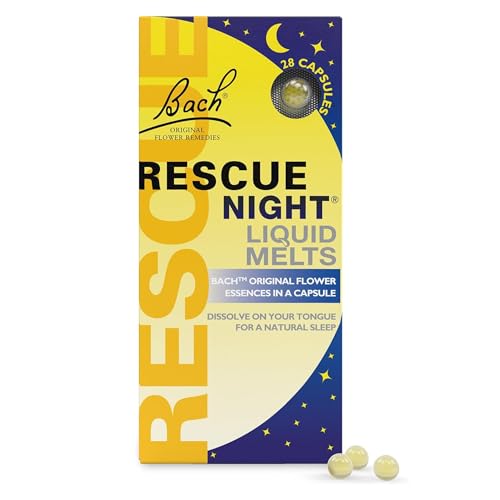
Bach RESCUE SLEEP Liquid Melts, Natural Orange Vanilla Flavor, Natural Sleep Aid, Stress Relief, Homeopathic Flower Essence, Free of Melatonin, Gluten & Sugar, Non-alcohol, Non-Narcotic, 28ct.
BACH RESCUE SLEEP LIQUID MELTS: Pleasant tasting natural melatonin free orange vanilla flavored quick-dissolve capsules to help ease…
As an affiliate, we earn on qualifying purchases.
As an affiliate, we earn on qualifying purchases.

Jumbo Jumble Snack Box (40 Count) Protein Gift Care Package Snacks Variety Pack for Adults Teens Kids Men Women College Office Birthday (Protein Set)
Quality: Proudly crafted by Jumbo Jumble, the Protein bars and snack variety care package assures delectable, nutritious choices….
As an affiliate, we earn on qualifying purchases.
As an affiliate, we earn on qualifying purchases.